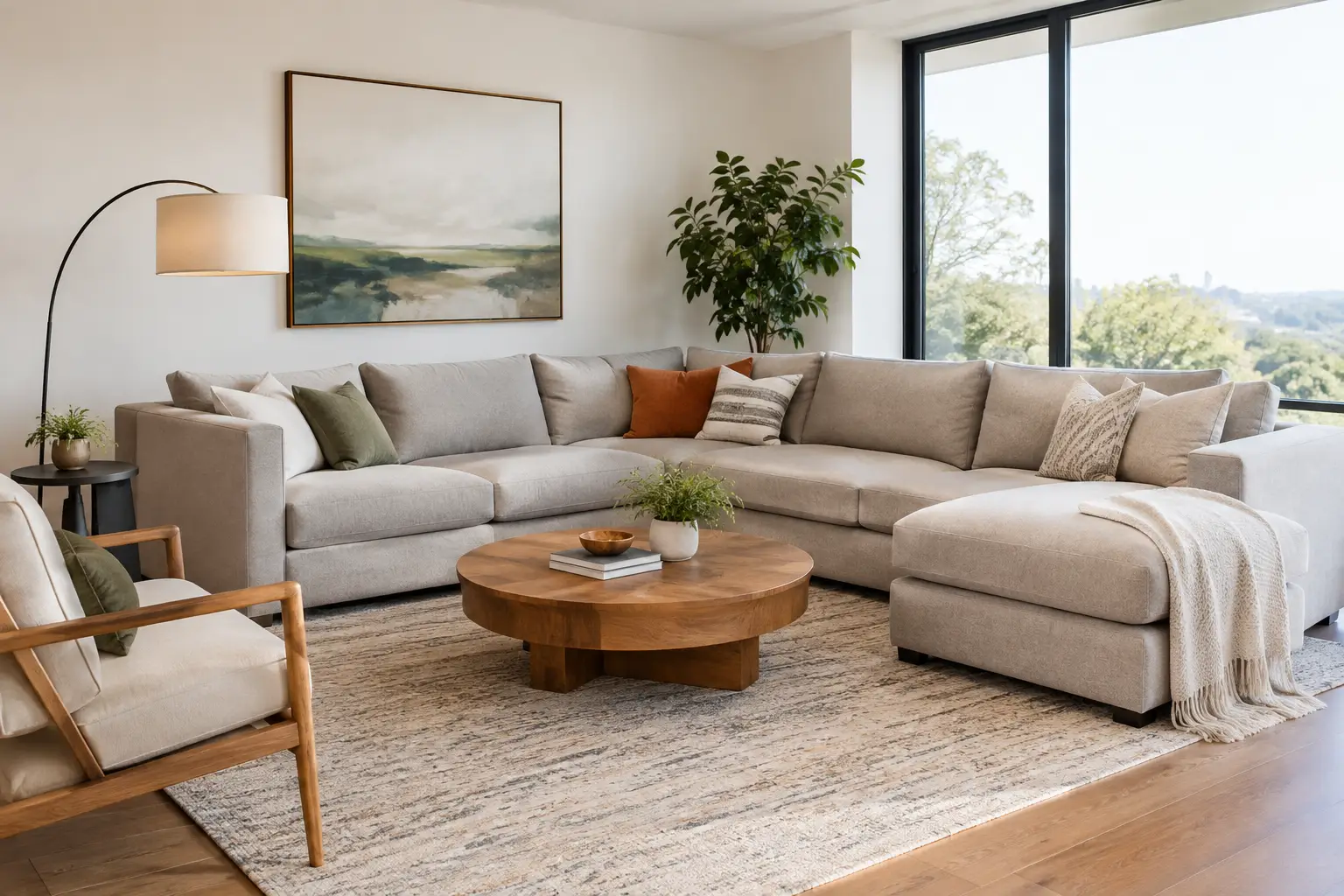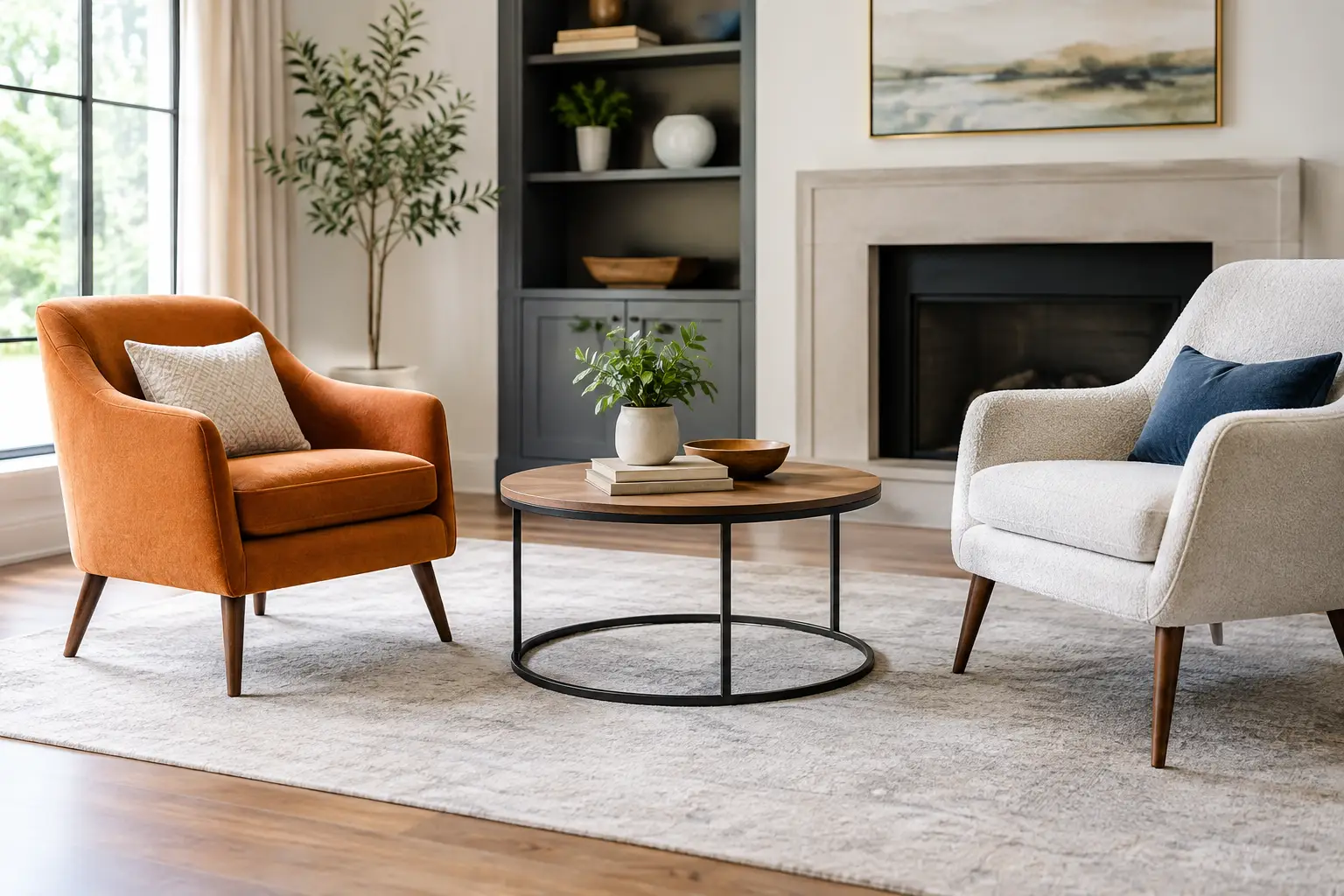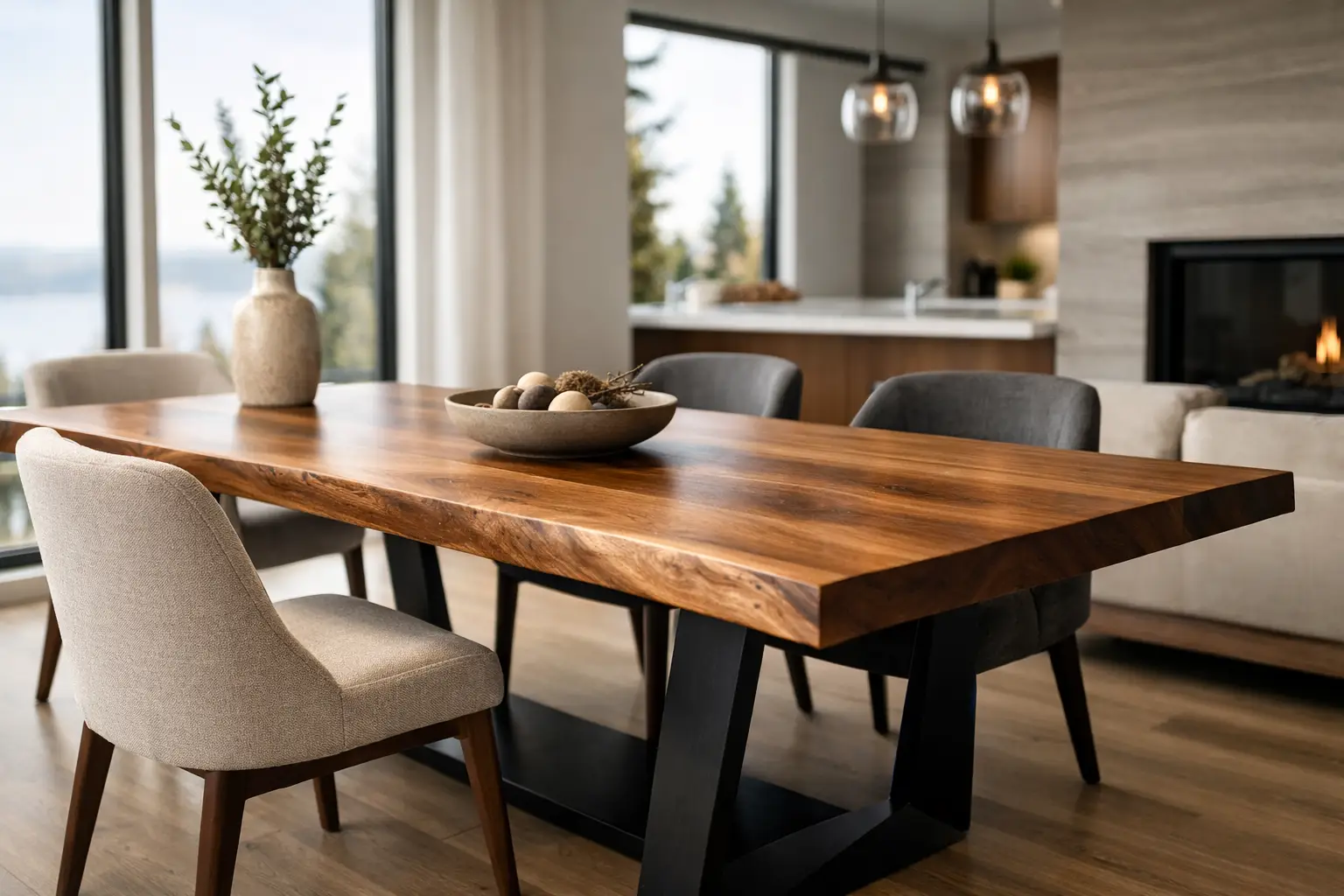
A dining table is where a home’s proportions become visible. It can make an open-concept condo feel grounded, give a family dining room its centre of gravity, or quietly disrupt a beautiful space when it is too large, too narrow, or finished in a material that does not suit daily life. Choosing a custom dining table Canada homeowners will enjoy for years is therefore less about adding a statement piece and more about creating the right setting for how you gather.
For contemporary Canadian interiors, customization offers something particularly valuable: the ability to preserve a refined look without forcing your routines to fit a standard size or finish. The best result feels considered from every angle, yet comfortable enough for weekday dinners, visiting family, and the occasional laptop-covered afternoon.
Why a Custom Dining Table Makes Sense in Canada
Many homes across the GTA and Ontario are designed around multipurpose living. A condo dining area may sit directly beside the kitchen and living room. A detached home may have a formal dining room that also needs to accommodate children’s projects, holiday meals, and larger gatherings. In either setting, an off-the-floor table can be a compromise before it even arrives.
A custom piece lets you make decisions based on the room rather than a product specification. That can mean shortening the length by a few inches to keep a clear passage to the balcony, choosing an oval shape to soften a narrow room, or selecting a base that allows more chairs around the table without legs competing for space.
It also supports a more cohesive interior. The dining table is often visible from several areas of the home, especially in open layouts. Its timber tone, stone surface, metal detailing, and silhouette should relate naturally to surrounding flooring, cabinetry, dining chairs, lighting, and living-room furniture. Customization makes that relationship much easier to achieve.
Start With Scale, Not Style
A beautiful table cannot compensate for inadequate circulation. Before considering finishes or profiles, measure the room and identify the routes people use most often. You generally want enough space for chairs to pull out comfortably and for someone to walk behind a seated guest. In a compact condo, this may mean selecting a smaller table with a more efficient pedestal base rather than insisting on a larger rectangular design.
The number of people you seat regularly should guide the table’s everyday dimensions. Plan for the life you live most weeks, then decide whether occasional hosting calls for an extension mechanism. A table that seats six comfortably every day can be more elegant and useful than one designed for ten that leaves the room feeling crowded for the other 350 days of the year.
Shape has a significant effect on both flow and atmosphere. Rectangular tables suit long rooms and larger groups, while round tables create an easy sense of conversation and work beautifully in square spaces. Oval forms offer a softer alternative when you need length but want to reduce sharp corners in a busy pathway. A boat-shaped top, with gently curved long edges, can give a contemporary dining room more visual movement without becoming overly decorative.
Consider the Base as Carefully as the Top
The base determines more than the look of the table. Traditional four-leg designs can be stable and familiar, but their placement affects where guests can sit. A central pedestal or sculptural base often creates more flexibility, particularly when the table needs to accommodate an extra chair at either end.
This is also where European design can bring welcome restraint. A well-resolved base has visual presence but does not compete with the chairs, pendant light, or architecture. It should feel balanced at close range, conceal practical engineering where possible, and leave enough legroom for a relaxed meal.
Materials That Suit Real Canadian Homes
Material selection is where a custom table becomes personal. It should reflect the character of the room, but it also needs to suit your household’s expectations around care, patina, and durability.
Wood brings warmth that is especially welcome in modern interiors with stone, glass, or clean-lined cabinetry. Oak is valued for its pronounced grain and natural depth, whether finished in a pale Scandinavian-inspired tone, a medium smoked shade, or a richer brown. Walnut offers a darker, more tailored character. Veneered wood can be an excellent premium option when it is expertly constructed, providing consistent grain and greater stability across large surfaces. Solid wood has its own appeal, including the way it develops character over time, though it may require more attention to humidity and surface care.
Stone and ceramic tops offer a different kind of refinement. Their cool, architectural quality pairs well with contemporary dining chairs and polished metal details. Sintered stone and high-performance ceramic surfaces are often chosen for their resistance to heat, staining, and everyday wear, making them practical for busy households. Natural marble has incomparable variation and depth, but it is more porous and can show etching or marks from acidic foods. That patina can be part of its charm, but it is worth choosing deliberately rather than expecting a perfectly unchanged surface.
Glass keeps a smaller room visually open and can showcase a distinctive base. It does, however, reveal fingerprints and may not provide the same tactile warmth as timber or stone. For homes with young children or frequent casual meals, a textured wood finish or durable ceramic surface may be the easier long-term choice.
Custom Dining Table Canada Options: Finish and Detail
A finish is not simply a colour selection. It changes how a table receives light, how easily it coordinates with the floor, and whether the piece reads as soft and residential or crisp and architectural.
When matching wood tones, avoid assuming everything needs to be identical. A dining table that precisely matches the floor can disappear into the room. A related undertone is usually more successful: warm oak flooring may sit beautifully with a slightly deeper oak table, while grey-toned floors often benefit from natural, taupe, or smoked finishes that prevent the space from feeling cold.
For a lighter contemporary room, consider pale oak, soft beige lacquer, travertine-inspired ceramic, or a matte off-white finish. Darker interiors can carry walnut, charcoal-stained timber, blackened metal, or richly veined stone with confidence. Matte surfaces tend to feel more relaxed and modern, while high-gloss finishes introduce a more formal, reflective effect. Neither is inherently better. The right choice depends on the amount of natural light, the finishes already in the room, and how polished you want daily dining to feel.
Details deserve attention because they shape the table’s personality. A slim tabletop can look exceptionally light, but a thicker profile may feel more substantial in a large dining room. Rounded corners bring softness and are useful in family homes. Metal accents can connect to lighting or cabinet hardware, while an all-wood design may create a quieter, more organic composition.
Pairing the Table With Dining Chairs
The table and chairs should be chosen as a conversation, not as separate purchases. Seat height, arm height, upholstery, and visual weight all affect the final result. A low-profile table may need chairs with a more restrained frame, while a generous pedestal table can support upholstered dining chairs with a fuller silhouette.
Allow enough clearance between the chair arms and table edge, particularly if you are choosing armchairs for the heads of the table. Fabric upholstery adds comfort and softness, but it should suit the household. Performance fabrics are often a thoughtful choice for families and frequent hosts, while leather or leather-look finishes can be easier to wipe clean and develop a more tailored appearance.
For a composed, less formal look, matching chairs are not the only answer. End chairs in a complementary shape or finish can add dimension, provided the seat heights and proportions remain compatible. The goal is visual rhythm, not forced uniformity.
See the Materials in Person Before You Decide
Online dimensions and photographs are useful starting points, but a dining table is a tactile purchase. The edge profile under your hand, the true undertone of a timber stain, the texture of a ceramic surface, and the comfort of the chairs are difficult to judge on a screen. Lighting can also change a finish dramatically, especially in the cooler daylight common to Canadian homes for much of the year.
At Levida Furniture’s Markham showroom, seeing tables alongside chairs, sideboards, mirrors, and lighting-inspired accents can help turn individual preferences into a complete room. Bringing a floor plan, measurements, photos of your space, and a sample of flooring or cabinetry can make a consultation more precise. It also gives you the opportunity to compare material and finish options with the people who will use the table most.
A custom dining table should not ask you to choose between visual refinement and everyday ease. Give the room enough space to breathe, select materials you will be happy to live with, and let the final proportions support the gatherings you want to have. The right table becomes part of the home’s daily rhythm – not just its best photograph.