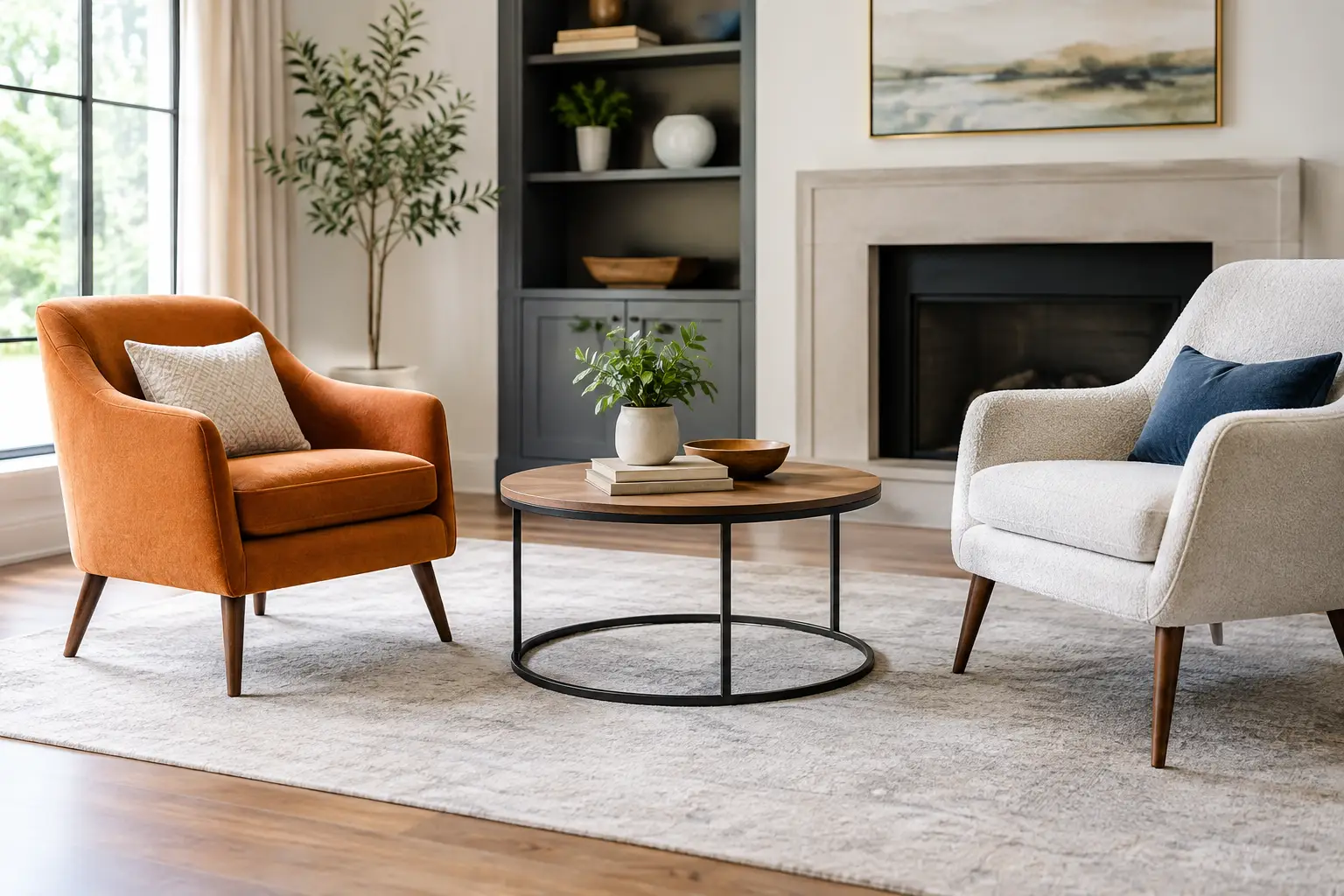
A sofa can look beautifully proportioned online, then feel too deep for your living room. A dining table may appear compact in a product image, yet leave little room for chairs to move comfortably once it is in place. These are the details that become clear at a luxury furniture showroom Markham homeowners can visit in person – where scale, comfort, finish, and craftsmanship can be assessed before a significant purchase is made.
For contemporary homes across the Greater Toronto Area, furniture is rarely chosen for one room alone. A new sectional may need to work with an open-concept dining space; a bedroom set may need to bring warmth to a clean-lined condo; a statement table may need to stand up to everyday family meals. The right showroom experience helps turn those individual choices into a home that feels considered, personal, and easy to live in.
Why Visit a Luxury Furniture Showroom in Markham?
Luxury is not simply a matter of appearance. It is found in how materials feel, how a mechanism operates, how upholstery wears over time, and how a piece supports daily life. Premium furniture earns its place through thoughtful construction, lasting comfort, precise details, and a design language that does not date quickly.
A showroom gives you the opportunity to test those qualities directly. Sit on a sofa for more than a moment and notice the seat depth, back support, cushion resilience, and arm height. Open a sideboard to evaluate the hardware and interior storage. Run a hand across a ceramic, wood, lacquer, or stone-look tabletop to understand its texture and finish. These considerations are difficult to judge from a screen, particularly when furnishing a home meant to be enjoyed for years.
The scale of the showroom also matters. Seeing complete room settings makes it easier to understand how a low-profile sofa relates to a sculptural coffee table, or how upholstered dining chairs soften the clean geometry of a European table. Rather than visualizing each piece in isolation, you can see how colour, silhouette, and material create a more cohesive interior.
Look Beyond the First Impression
A beautifully styled display is a useful starting point, but it should not be the final reason for choosing a piece. The most successful interiors balance visual refinement with the practical requirements of the people who live there.
Consider how your household uses each room. A pale bouclé sofa can bring softness and depth to a formal sitting area, while a busy family room may be better suited to a performance fabric with a forgiving texture. A glass dining table can make a compact space feel open, but a ceramic or sintered-stone surface may be the more practical choice for frequent meals, children, or entertaining.
There is no universal best material. Wood introduces natural character and warmth, though its grain and tone may vary. Leather offers a tailored, enduring quality and develops a distinctive patina, but it may feel cooler in winter and needs appropriate care. Premium fabric upholstery creates a relaxed, inviting finish with a wide range of colours and weaves. The right choice depends on the room, the amount of use, and the feeling you want to create.
Comfort has more than one dimension
Comfort is personal. One person may prefer the relaxed sink-in feeling of deeper seating, while another wants a more supportive, upright sofa for conversation and reading. The same applies to dining chairs, beds, and lounge chairs.
When visiting a showroom, take time to sit as you would at home. Rest your arms naturally. Check whether your feet touch the floor. Consider whether the seat height works for different members of the household. If you are furnishing a condo, a refined, compact sofa may be more suitable than an oversized sectional, even if the larger piece is more dramatic in the showroom.
Use Customization to Make the Room Work
Customization is often where high-end furniture becomes especially valuable. It allows a design to respond to your room rather than asking your room to accommodate a fixed format.
Depending on the collection, options can include sofa configurations, chaise placement, dimensions, upholstery, leather grade, wood tone, metal finish, tabletop material, and dining-chair fabric. A sectional can be configured to preserve a window view or define an open living area. A bed can be selected in a size and upholstery that gives the room presence without overwhelming it. A dining table can be chosen with the right length for daily use and the right extension solution for guests.
This flexibility needs careful planning. More choice is useful, but it can also make decisions feel less straightforward. Bring room measurements, photographs, flooring samples, and any finishes you plan to keep. If possible, note the position of doors, radiators, outlets, windows, and floor vents. These details help a consultant recommend a configuration that works beyond the showroom floor.
At Levida Furniture, the showroom setting is designed for precisely this kind of conversation: comparing European-made furnishings, reviewing material options, and finding a tailored solution for the way a Canadian home is actually used.
Plan for Flow, Not Just Fit
A piece can technically fit in a room and still make the space feel cramped. Good planning accounts for circulation, sightlines, and the visual weight of each item.
In a living room, leave enough space to walk around a coffee table without turning movement into an obstacle course. In a dining room, allow chairs to pull out comfortably while keeping a clear path to adjacent spaces. In bedrooms, make room for bedside tables, drawers, and access around the bed. These distances will vary by layout, but the principle remains the same: furniture should support movement, not compete with it.
For condos and smaller urban homes, a few intelligent choices can make a substantial difference. Raised-leg furniture creates a sense of openness by revealing more floor. Storage beds and credenzas provide function without adding visual clutter. A round dining table may improve circulation in a compact area, while a wall mirror can extend light and give a narrow room more presence.
Large homes benefit from this approach as well. Generous rooms can feel unfinished when furniture is underscaled or placed too far apart. A thoughtfully sized rug, a substantial sectional, or a pair of lounge chairs can create a more intimate conversation area within a larger footprint.
Ask Questions That Reveal Quality
A premium showroom should make it easy to ask practical questions, not just admire the styling. Ask about frame construction, cushion composition, upholstery care, lead times, available finishes, and whether a selected piece can be customized for your dimensions.
It is also worthwhile to ask how furniture will arrive and function in your home. Will a sectional fit through your elevator, stairwell, or entryway? Does a dining table require assembly? Is a large mirror appropriate for the intended wall? These are not minor logistics. They are part of choosing furniture confidently, especially in condo buildings and renovated homes with tighter access points.
For a complete furnishing project, start with the pieces that determine the room’s proportions: the sofa, dining table, bed, or main storage unit. Then layer in accent chairs, lighting, mirrors, art, and décor. This order gives the space a clear foundation and reduces the risk of collecting attractive pieces that do not feel connected once they are together.
Make the Showroom Visit More Productive
Arriving with a simple plan can make your visit more useful. Save a few images that reflect the atmosphere you are drawn to, whether that is warm contemporary, Scandinavian-inspired simplicity, soft minimalism, or a more dramatic European look. You do not need a fully formed design scheme. Even a handful of references can help identify the colours, textures, and shapes that feel most natural to you.
Be open to alternatives as well. The piece you expected to choose may not offer the comfort, scale, or finish your room needs. Often, a consultant can show you a better proportion, a more suitable fabric, or a finish that connects more naturally with your existing flooring and cabinetry.
The goal is not to recreate a showroom display exactly. It is to bring home furniture that makes each day feel more comfortable, composed, and distinctly yours.