A sectional can make a living room feel considered, or make it feel permanently crowded. The difference is rarely the sofa’s silhouette alone. It comes down to proportion, orientation, seat depth, fabric and the way the piece supports daily life. For anyone looking for a custom sectional sofa Canada homeowners can live with for years, customization is less about having endless choices and more about making the right ones.
A well-planned sectional creates a natural place for conversation, movie nights, quiet reading and the everyday sprawl of a family home. In a Toronto condo, it may need to define an open-plan living area without blocking the view. In a larger home, it may need enough scale to ground a generous room without becoming overly formal. The best result is one that looks composed from every angle and still invites you to put your feet up.
Start With the Room, Not the Sofa
It is tempting to begin with a favourite fabric or an impressive showroom configuration. Start with the room instead. A sectional must work with circulation, windows, door swings, radiators, media walls and the route used to bring it inside. A beautiful piece that interrupts how people move through a room will never feel fully resolved.
Measure the intended wall lengths, but also map the usable footprint. Leave comfortable paths around the sofa, particularly between the sectional and a coffee table, dining area or balcony door. In compact spaces, even a few centimetres can determine whether the room feels open or compressed.
Before choosing dimensions, consider these four practical details:
- the width, depth and height of elevators, stairwells, hallways and entry doors
- the position of electrical outlets, floor vents and baseboard heaters
- the viewing distance from the seating area to the television or feature wall
- the clearance needed to open storage, patio and interior doors
Painter’s tape is useful here. Mark the sectional’s overall shape on the floor, then walk around it as you normally would. This simple exercise reveals whether a chaise reaches too far into the room or whether a larger configuration would actually make better use of an under-furnished space.
Choosing a Custom Sectional Sofa in Canada
Canadian homes place varied demands on upholstered furniture. A downtown condo may call for a compact, low-profile sectional with clean lines and raised legs that keep the floor visible. A family room in a detached home may benefit from deeper seats, a more generous corner unit and performance fabric that handles everyday wear with confidence.
Customization allows the sectional to respond to these realities. Rather than forcing a standard left- or right-facing chaise into an imperfect room, you can select the orientation that supports the layout. A left-facing chaise is determined when facing the sofa, not when sitting in it – a small distinction that prevents a costly planning error.
Modular sectionals offer particular flexibility. Individual pieces can be arranged as an L-shape, an extended sofa with chaise, or a more sociable U-shape. They are especially useful for larger rooms, households that move frequently or spaces with an evolving purpose. The trade-off is that more modules create more joins, so quality connectors and carefully matched seat heights matter.
A fixed sectional can feel more tailored and visually continuous, often with fewer visible divisions. It suits rooms where the layout is established and the goal is a strong architectural anchor. Neither approach is automatically better. The right one depends on how permanent the room’s arrangement is likely to be.
Think About the View From Behind
Open-concept homes often expose the back of the sectional to a dining area, kitchen or entry. In this setting, the rear profile deserves as much attention as the front. Refined upholstery, balanced proportions and a clean finish can make the sectional feel like a deliberate part of the interior rather than a large object placed in the middle of it.
This is also where a custom configuration can help define zones. A chaise or return can subtly separate the living area without requiring an additional divider, preserving the light and openness that make contemporary interiors appealing.
Comfort Is More Than a Deep Seat
Deep seating has an immediate luxury appeal, but it is not ideal for every household. A very deep sofa can be wonderfully relaxed for lounging, yet less comfortable for shorter people or anyone who prefers to sit upright. Seat depth, back height and cushion construction should be considered together.
If the sectional will be used for long evenings of reading or conversation, look for supportive back cushions and a seat that lets your feet rest comfortably on the floor. If it is intended primarily for lounging, a deeper frame, soft back cushions and a chaise may be exactly right. Some designs achieve a useful middle ground through adjustable headrests or layered back cushions.
Construction matters beneath the upholstery. A quality frame, properly supported suspension and resilient foam or feather-blend cushioning influence how the sectional feels after several years, not only on the showroom floor. Feather-rich cushions have a relaxed, inviting look but usually require more regular fluffing. High-resilience foam offers a more structured appearance and may suit households that prefer easier upkeep. Many premium designs combine materials to balance softness with shape retention.
Select Fabric for Light, Lifestyle and Longevity
Fabric can change the character of the same sectional completely. A textured weave brings warmth and depth to a minimalist room. Bouclé adds softness and visual interest, though its looped surface may not be the first choice for homes with pets that scratch. Smooth woven fabrics, velvets and performance textiles each offer a distinct look and maintenance profile.
Consider how the room receives light. Pale fabric can make a smaller living area feel expansive, but direct sun may require more thoughtful care to preserve colour over time. Darker tones add definition and can be forgiving in active households, although they may feel visually heavier in a compact condo. Mid-tones, warm greys, soft taupes and muted earth colours often offer a flexible balance between refinement and practicality.
For homes with children, pets or frequent entertaining, performance upholstery is worth serious consideration. It can provide improved resistance to stains and daily wear without compromising on texture or sophistication. Still, no fabric is entirely maintenance-free. Ask how to treat spills, whether cushion covers are removable and what cleaning method is recommended before making a final selection.
Leather offers another kind of longevity. It develops character with use and is easy to wipe clean, but it can feel cooler in winter and warmer in direct sun. Its appearance also varies significantly by grade and finish, so it is best assessed in person rather than chosen from a small digital image.
Build a Cohesive Living Room Around It
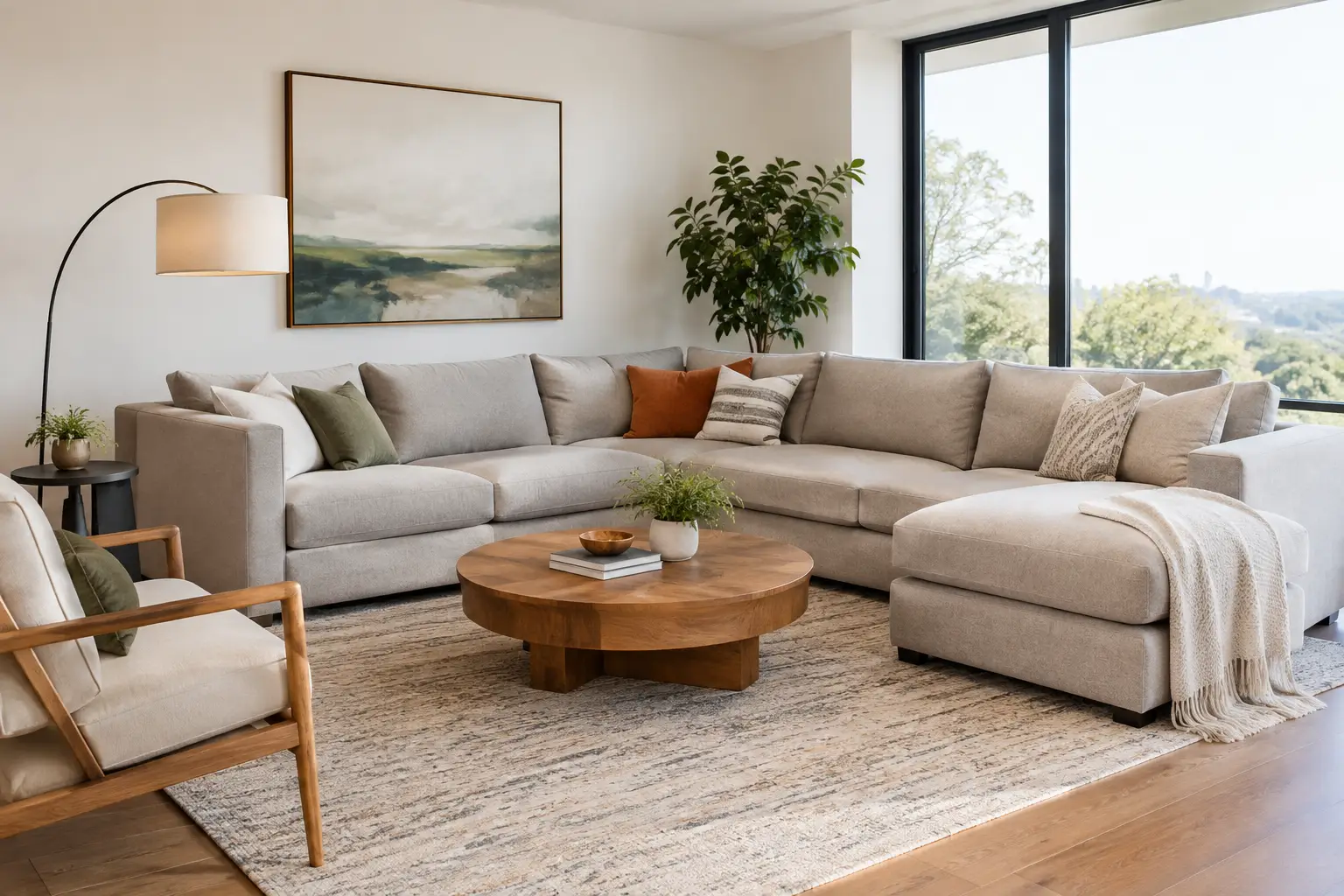
A sectional occupies substantial visual space, which makes it a useful starting point for the rest of the room. The coffee table should suit its scale and leave enough clearance for movement. A large rug can anchor the full seating arrangement, ideally extending beneath the sectional’s front legs so the room feels connected rather than fragmented.
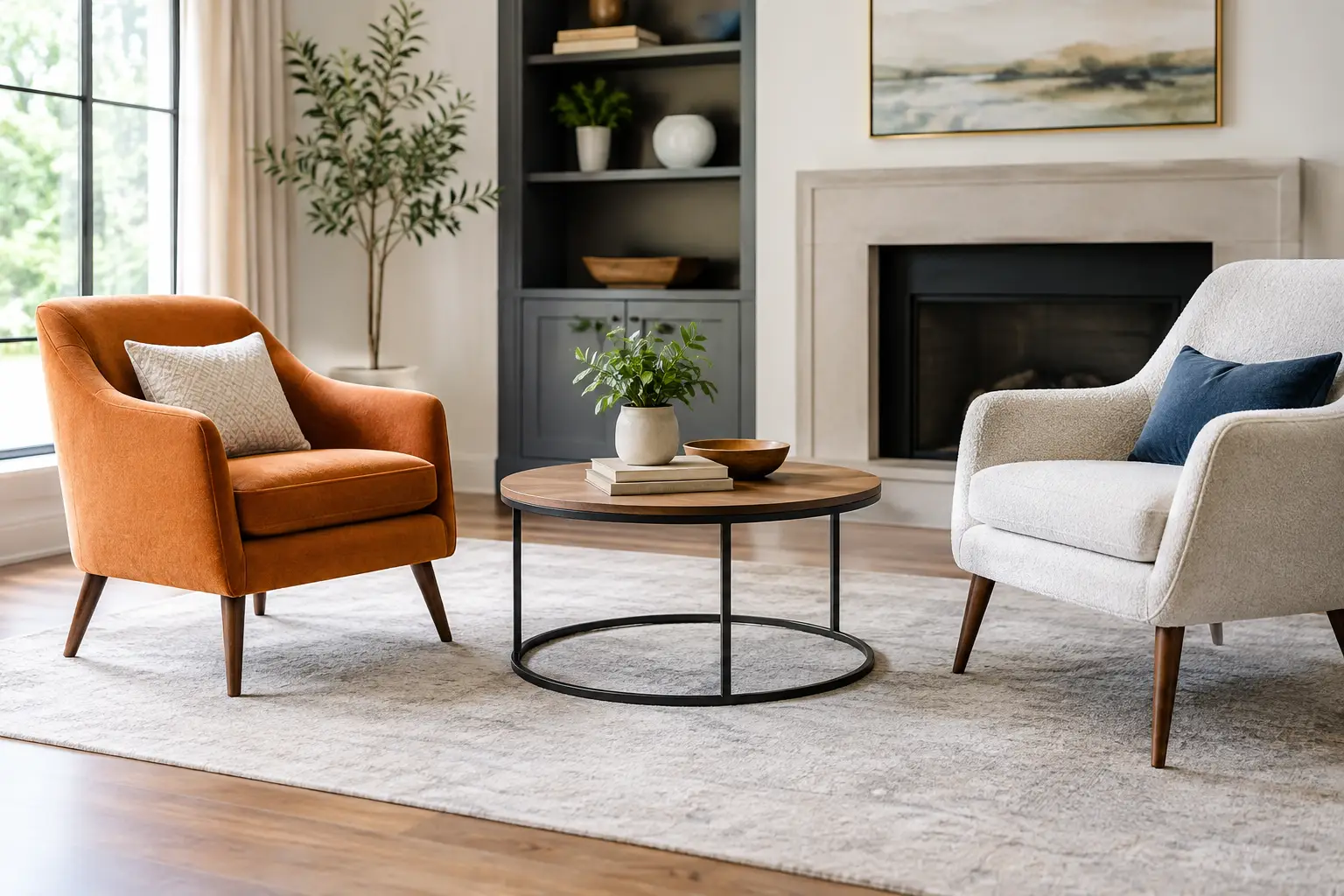
Avoid matching every piece too closely. A low contemporary sectional can be paired with a sculptural occasional chair, a stone or wood coffee table, and lighting with a warmer finish. This creates contrast while preserving a calm, cohesive palette. In smaller spaces, fewer pieces with stronger proportions usually feel more polished than several undersized accessories.
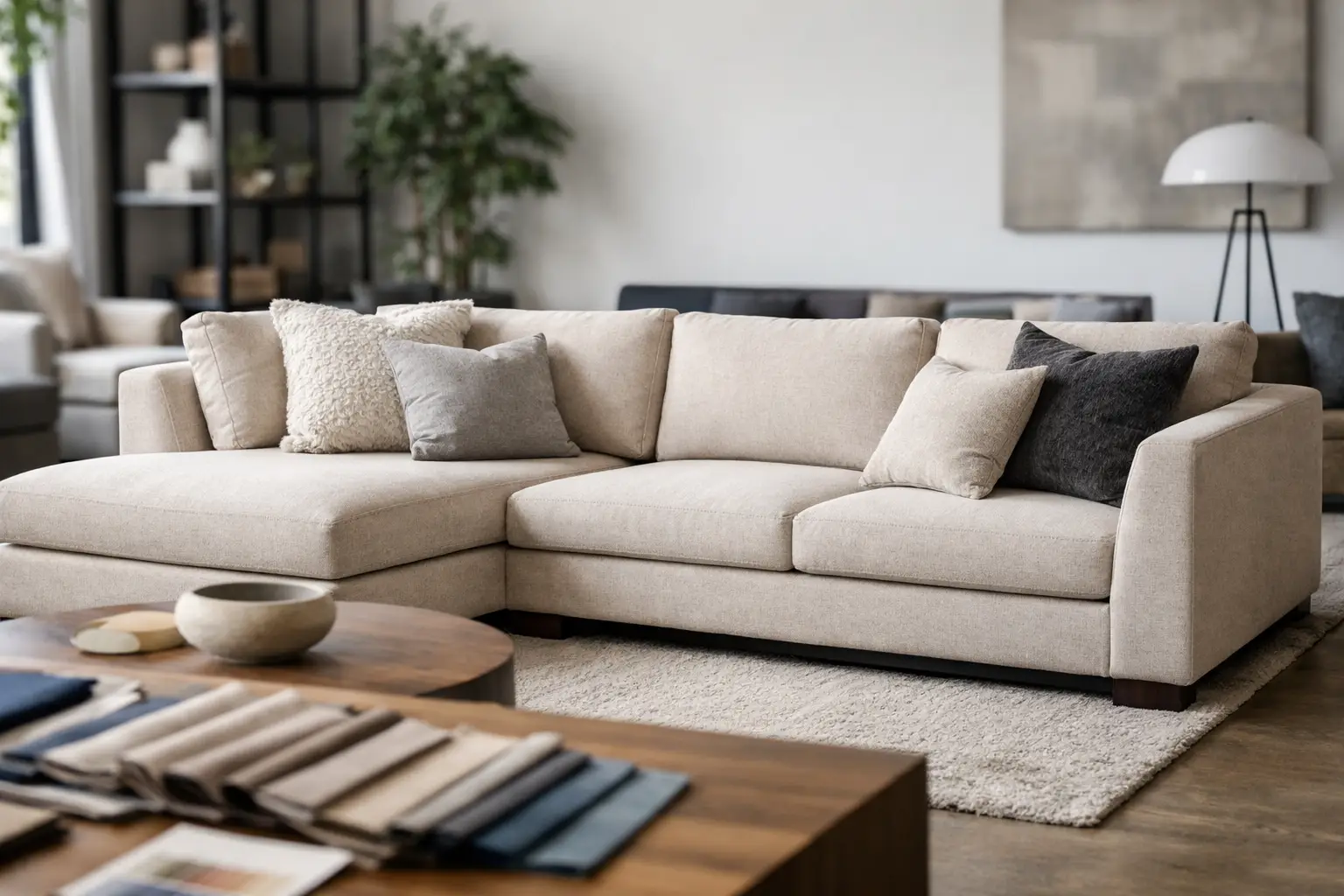
When choosing a custom sectional, bring room measurements, photos, flooring samples and any paint or fabric swatches you already have. Seeing materials together makes undertones easier to judge. What looks like a neutral grey in isolation may lean blue, green or warm beige beside your existing finishes.
See the Details Before You Decide
A sectional is a long-term purchase, and its details are easier to evaluate in person. Sit in multiple positions, test the chaise, inspect the seams, and compare fabrics in natural and artificial light. At Levida’s Markham showroom, clients can assess European-made designs firsthand while discussing configurations, dimensions and materials with experienced consultants.
The goal is not simply to choose the largest sectional that fits. It is to create a seating arrangement that gives your room a clear sense of purpose – comfortable enough for an ordinary Tuesday night and refined enough to make the whole home feel more complete.