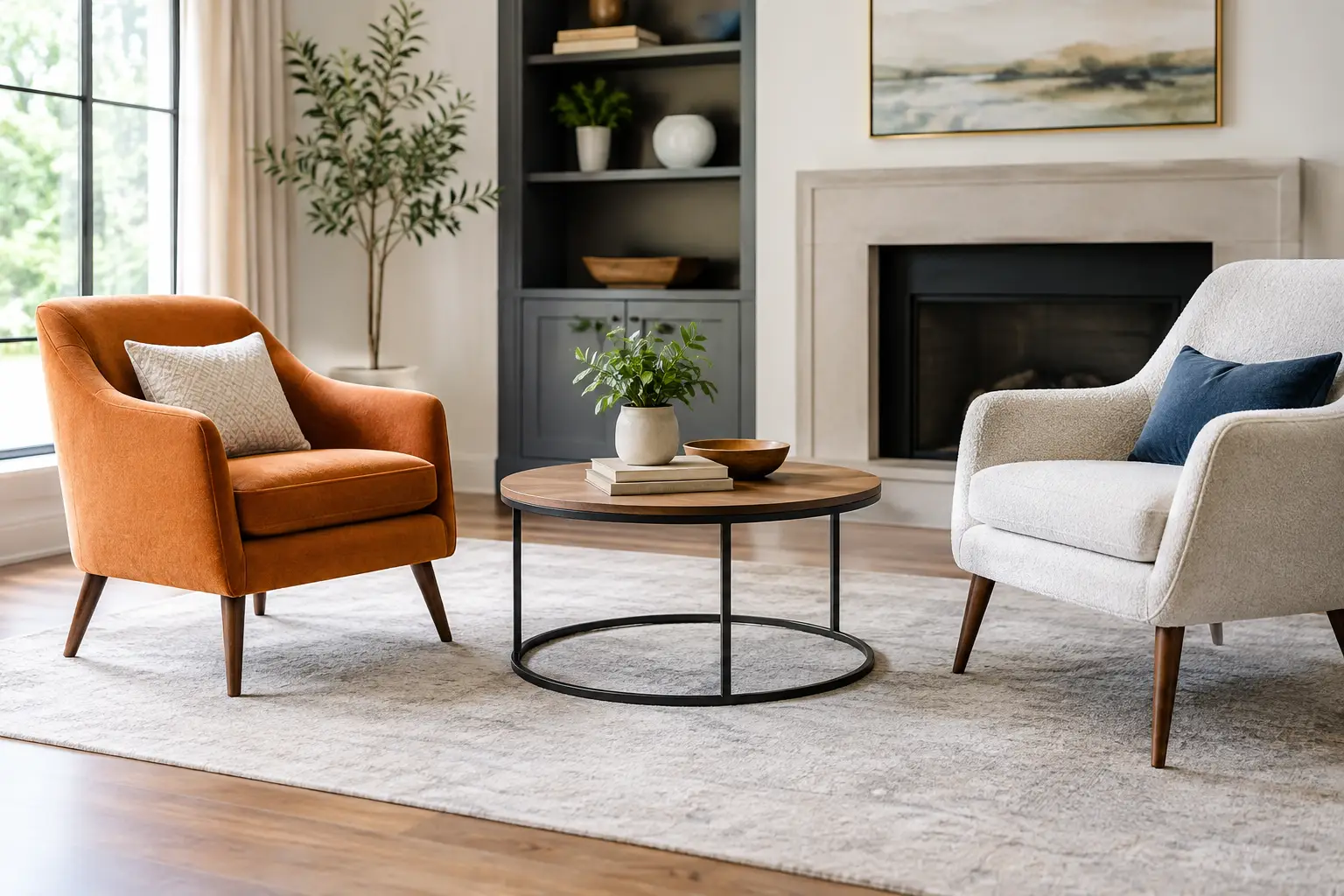
A dining table is where a polished interior meets real life: weekday breakfasts, homework, takeout containers, holiday dinners, and the occasional hot serving dish placed down too quickly. When comparing ceramic versus wood tabletops, the right choice is less about declaring one material superior and more about deciding how you want the room to feel and how the table will be used every day.
Ceramic brings a crisp, architectural finish that suits contemporary condos and clean-lined dining rooms. Wood offers warmth, depth, and the kind of character that becomes more inviting with time. Both can be exceptional choices in a well-designed home, but they ask for different things from the space around them.
Ceramic Versus Wood Tabletops: The Essential Difference
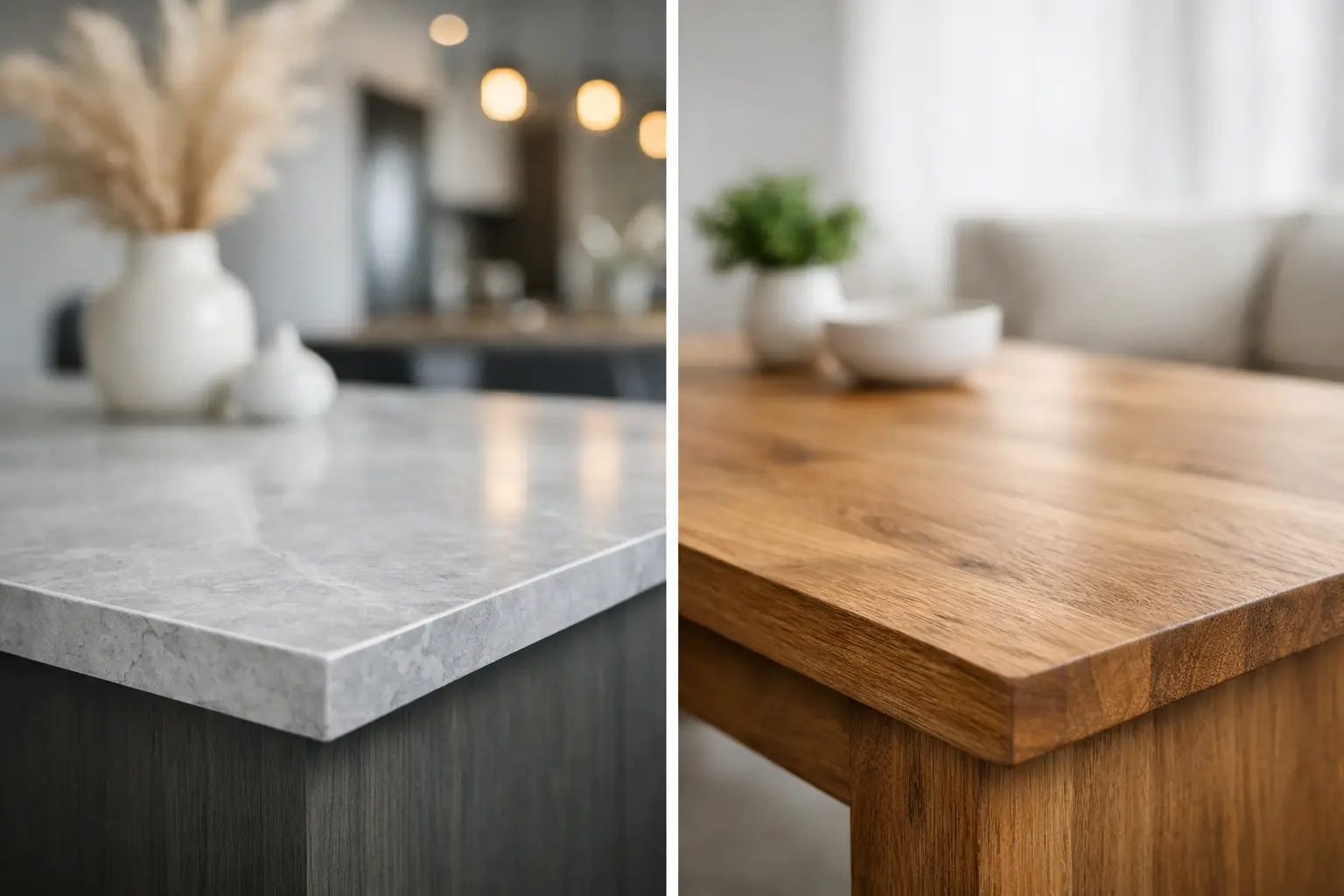
A ceramic tabletop is typically made from a dense porcelain or ceramic surface, often bonded to a supportive base. It may resemble natural stone, concrete, metal, or a softly veined mineral finish while offering a more consistent and practical surface for everyday dining. The material feels refined and precise, particularly when paired with slim metal legs, sculptural bases, or an extension mechanism.
A wood tabletop is valued for its natural grain, tactile warmth, and visual variation. Whether finished in oak, walnut, ash, or another veneer or solid-wood construction, it adds softness to rooms that might otherwise feel too sleek. Scandinavian-inspired interiors often rely on wood to make minimal forms feel relaxed rather than austere.
The distinction is immediate. Ceramic tends to read as cool, tailored, and contemporary. Wood feels organic, grounded, and lived-in. In many Canadian homes, that emotional difference matters as much as a surface’s performance specifications.
Everyday Durability and Care
For busy households, ceramic has a compelling advantage: it is generally highly resistant to stains, scratches, heat, and moisture. Red wine, coffee, tomato sauce, and everyday spills are usually easy to wipe away with a soft cloth and mild cleaner. Its non-porous nature makes it especially appealing for families who want a dining surface that stays composed without constant vigilance.
That does not mean ceramic is indestructible. A sharp impact along an edge or corner can chip the surface, and dragging abrasive objects across any tabletop is never advisable. Very large ceramic tables also require thoughtful delivery and installation because the top is substantial and must be properly supported. Always follow the care guidance provided for the specific table, particularly for extendable designs and textured finishes.
Wood requires a more attentive relationship, but many homeowners find that part of its appeal. A quality finish helps protect against spills, yet standing water, harsh cleaners, and direct heat can still mark the surface. Placemats, coasters, and trivets are sensible habits, especially during larger meals. Depending on the finish and construction, wood may also benefit from periodic conditioning or professional refinishing over its lifetime.
There is a useful trade-off here. Ceramic often preserves its original appearance with less effort. Wood may collect small signs of use, but those marks can become part of a table’s character. A lightly worn oak table in a family dining room can feel authentic rather than imperfect. The key is choosing wood when you are comfortable with a material that evolves.
Canadian climate considerations
Indoor climate changes deserve attention, particularly in Ontario, where dry heated winters and humid summers can affect natural materials. Well-made wood furniture is designed with movement in mind, but maintaining relatively stable indoor humidity helps protect it from excessive expansion or contraction. Avoid placing a wood table directly beside a heat register, radiator, or strong sun exposure whenever possible.
Ceramic is less affected by humidity and temperature variation, which can make it a reassuring choice for sun-filled spaces and high-use kitchens. Still, the base material, extension hardware, and floor level beneath the table remain important. Quality construction matters regardless of the surface you choose.
The Look: Warmth, Light, and Scale
Ceramic can make a compact dining area feel larger. Pale stone-look finishes, soft greys, and warm off-whites reflect light and create visual continuity with contemporary cabinetry, large-format flooring, or restrained neutral palettes. In a condo, a ceramic extension table can provide a clean focal point without making the room feel visually crowded.
Darker ceramic finishes can be equally striking, especially in charcoal, black marble-look, or deep earthy tones. They work well when a space needs contrast, though they benefit from chairs with texture or warmth: upholstered seats, bouclé, leather, or timber details can keep the composition inviting.
Wood naturally introduces visual warmth. Light oak complements Scandinavian simplicity and soft, airy interiors. Walnut creates a richer, more tailored mood, particularly alongside cream upholstery, smoked glass, brass accents, or deep-toned art. Because every wood grain has variation, a wooden table often feels like a quieter statement piece than a highly patterned ceramic top.
Consider the other large surfaces in the room. If your floors, cabinetry, and dining chairs are already wood-forward, ceramic can introduce welcome contrast. If the room includes polished tile, stone, glass, and metal, wood can prevent it from feeling overly formal or cold. The best dining rooms balance materials rather than repeating one finish everywhere.
Choosing for Your Household
Ceramic is often the practical choice for an open-concept home where the dining table works hard every day. It suits households with young children, frequent entertaining, and anyone who prefers low-maintenance materials with a distinctly modern presence. It is also a strong option when the table will sit near a kitchen, where food preparation and dining naturally overlap.
Wood is often ideal when the dining area is intended to feel intimate and layered, or when the table is expected to anchor the home for many years. It works beautifully in detached homes, townhomes, and condos alike, provided the size is right. A round wood table can soften a compact urban dining area, while a long rectangular table adds ceremony to a larger room.
Neither choice has to be absolute. A ceramic top with a wood base offers a measured blend of practicality and warmth. Likewise, a wood top paired with contemporary metal legs can feel distinctly European rather than traditional. Material combinations can be especially useful when you want the table to connect an open-plan kitchen with a more comfortable living area.
Size and shape still come first
A beautiful material cannot compensate for a table that overwhelms the room. Before deciding on the finish, map out the table’s footprint and leave enough clearance for chairs to pull out comfortably. In tighter condo layouts, an extension table is often more valuable than choosing a permanently oversized top.
The shape also changes how each material reads. Ceramic has a particularly elegant presence on thin oval and rectangular tops, where its fine profile can look almost weightless. Wood brings warmth to round and racetrack forms, encouraging conversation and making circulation easier in spaces with multiple pathways.
Price, Longevity, and Value
At the premium end of the market, both ceramic and wood tables represent an investment in material quality, construction, and design. Ceramic may carry a higher initial cost because of the surface technology, fabrication, and specialized mechanisms often used in extendable models. Its low-maintenance performance can make that investment worthwhile for a high-traffic home.
Wood pricing varies significantly based on species, veneer quality, solid-wood details, joinery, and finish. A well-crafted wood table has lasting appeal and can often be repaired or refinished, giving it a different kind of longevity. Rather than focusing only on the purchase price, consider how the table will serve your home over the next decade: the number of people it needs to seat, the meals it will host, and whether its finish will still feel right as the room evolves.
Seeing materials in person makes this decision much easier. At Levida Furniture’s Markham showroom, the difference between a ceramic surface’s subtle texture and a wood finish’s grain and tone becomes clear under real light. It is also the right setting to compare chair pairings, extension options, and dimensions with the scale of your own home in mind.
Choose ceramic when ease, precision, and a clean contemporary surface will make daily life feel simpler. Choose wood when warmth, natural variation, and a table that gathers a personal patina feel more like home. The most successful choice is the one you will be happy to live around, not merely look at.