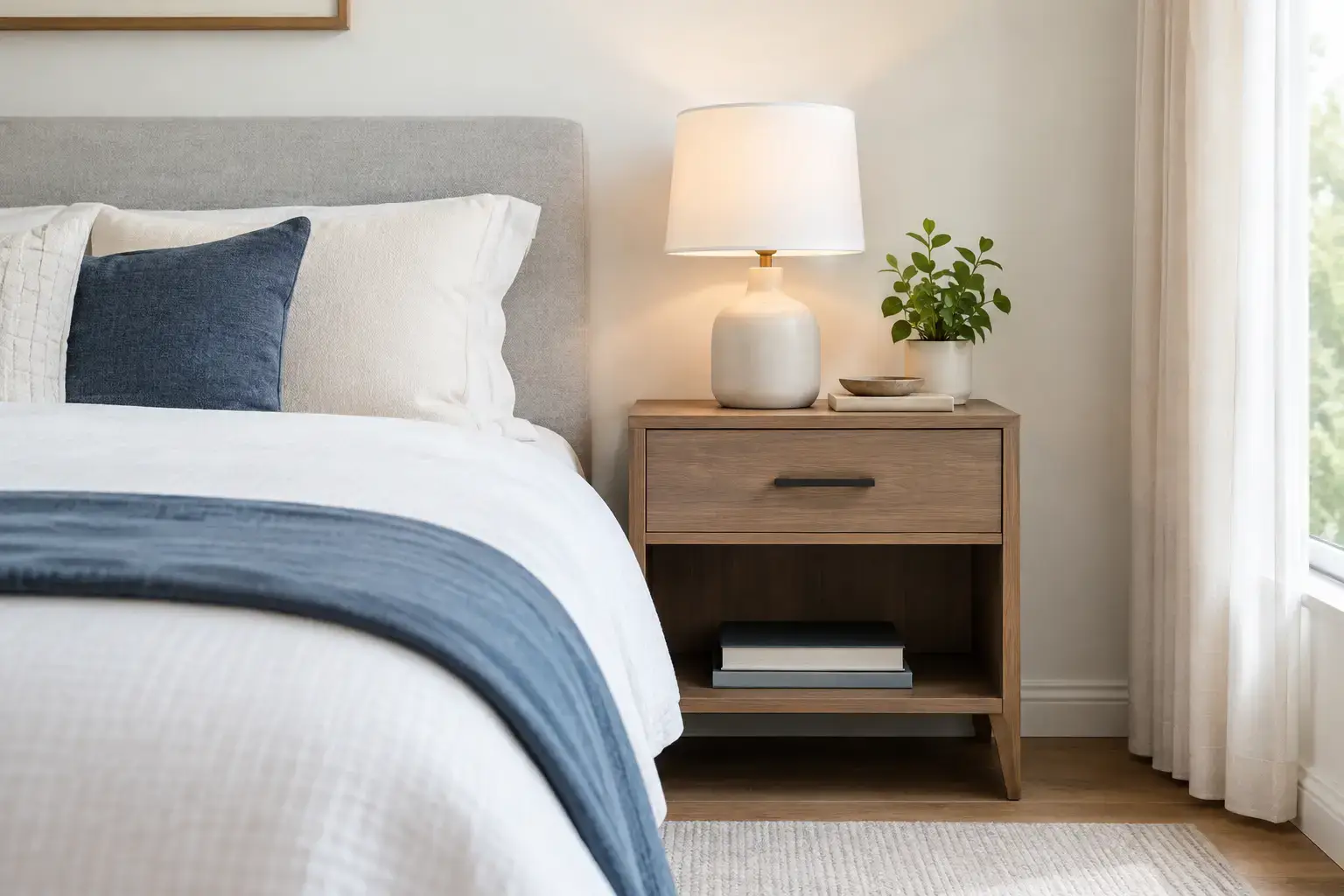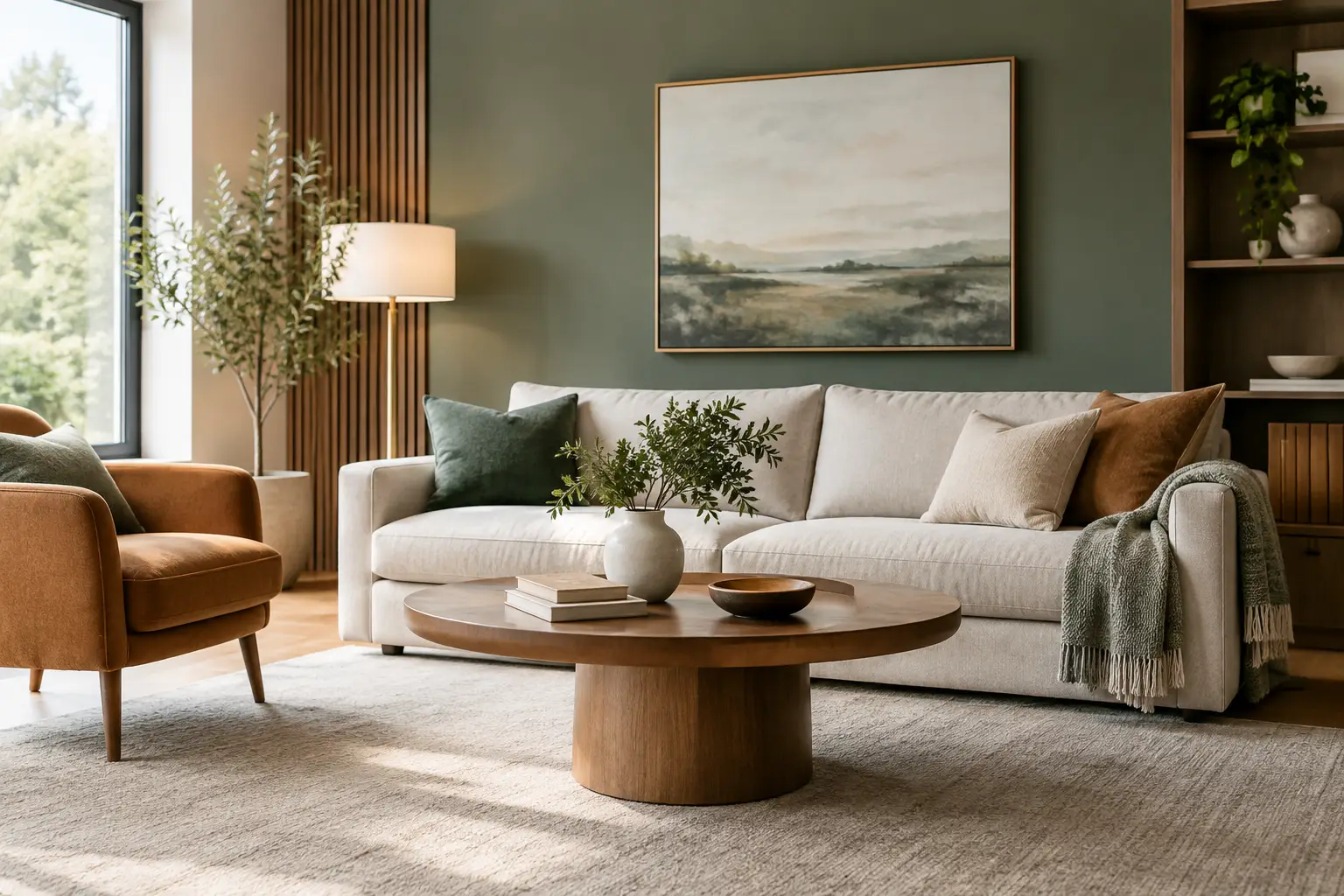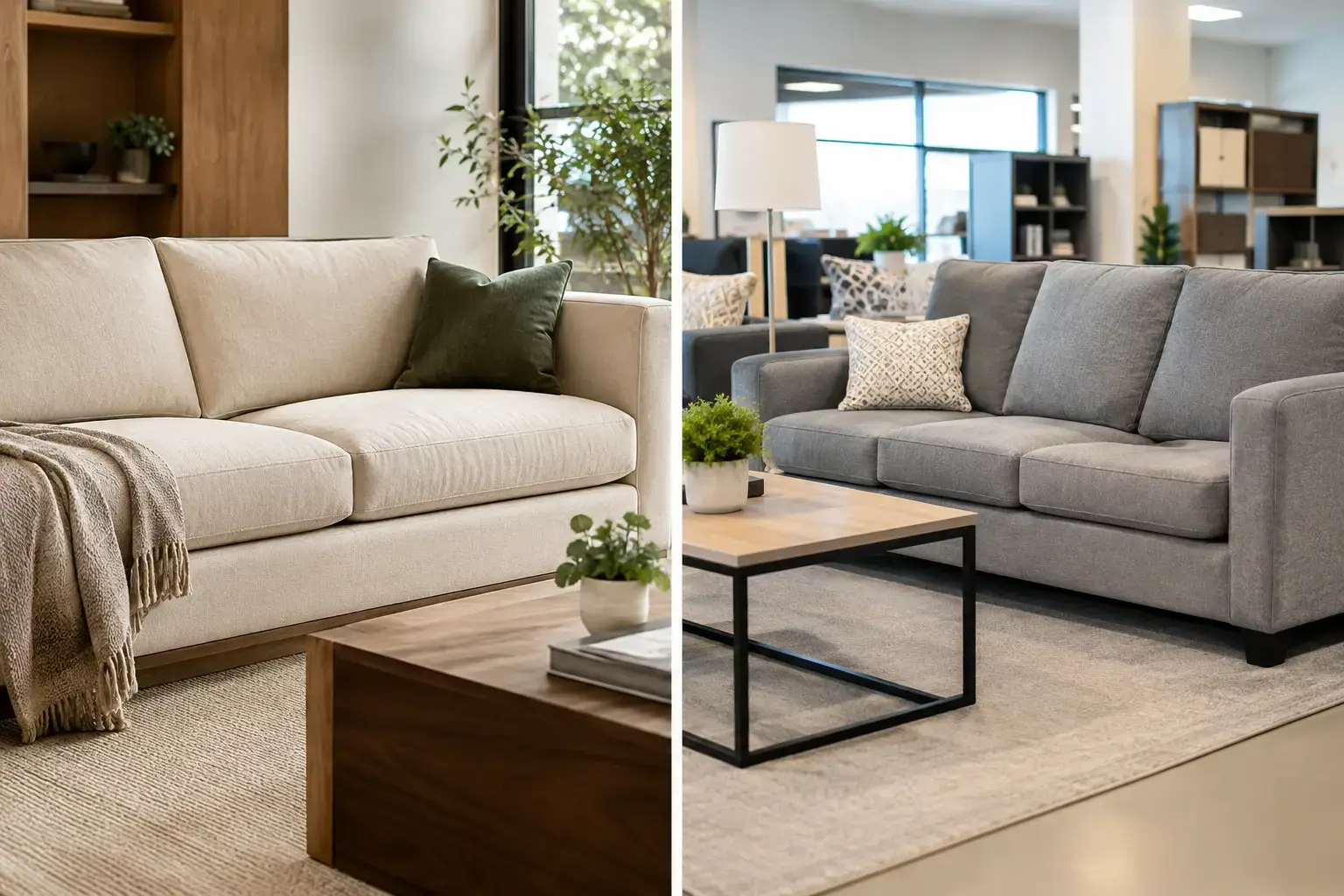
A sofa that appears perfectly proportioned online can feel too deep once it reaches a downtown condo. A dining table may suit a catalogue spread yet leave too little room to pull out a chair comfortably. That is where the question of bespoke furniture versus retail furniture becomes more meaningful than a simple choice between custom and ready-made. It is a decision about how you live, how long you expect a piece to serve your home, and how much flexibility your space requires.
For contemporary Canadian interiors, both routes can be excellent. The right answer depends on the room, the timeline, the budget, and the level of specificity the design calls for.
Bespoke Furniture Versus Retail Furniture: The Real Difference
Retail furniture is designed, produced and offered in established sizes, finishes and configurations. It may be available for quick delivery, ordered from a collection, or made to order with a defined menu of upholstery and finish choices. Its principal advantage is clarity: you can see the design language, understand the price range, and often sit on the sofa or open the cabinet before deciding.
Bespoke furniture is created around a more individual brief. Dimensions, materials, details and function are determined specifically for a project. A bespoke media wall might be planned around an unusual alcove, a collection of art books and concealed cable management. A dining banquette may be shaped to fit a bay window while preserving a comfortable path through the room.
The distinction matters because not every customized retail piece is fully bespoke, and that is not a drawback. A sectional available in several configurations, fabrics and leg finishes can provide precisely the degree of personalization a home needs, without requiring a completely original design. The most considered interiors often combine both: a tailored statement piece where the room demands it, and well-chosen retail furnishings where proven proportions and craftsmanship make sense.
When Bespoke Makes a Meaningful Difference
Bespoke furniture earns its place when standard dimensions create a compromise you will notice every day. This is common in condos, renovated older homes and rooms with architectural features that do not follow typical layouts. A 10-centimetre difference in a console depth or storage unit width can determine whether an entry feels calm and functional or constantly crowded.
It is also valuable when a piece must solve several problems at once. Consider a low sideboard that needs to offer generous storage, sit below a window, complement walnut flooring and accommodate a record player. Retail options may come close, but bespoke design allows the details to work together rather than asking the homeowner to choose which requirement to surrender.
Material continuity is another compelling reason. In a carefully composed home, a particular oak stain, metal tone or upholstery texture may need to relate to existing millwork, stone or lighting. A bespoke approach can establish that connection with far greater precision. This is especially relevant for designers working across multiple rooms or hospitality projects where a consistent visual identity matters.
There is a practical caveat. Bespoke work calls for clear decisions early in the process. Measurements must be accurate, finishes need approval, and lead times are usually longer. Changes after production begins can be expensive or impossible. Custom work rewards thoughtful planning, not rushed purchasing.
Bespoke does not automatically mean better
A bespoke piece should be exceptional because it resolves a real design or functional need, not merely because it is custom. Poorly chosen proportions, unsupported materials or unnecessary ornament do not become more successful with a custom label. The same questions apply: Is the frame well constructed? Will the finish wear gracefully? Does the upholstery suit the household? Is the piece comfortable enough for ordinary life?
For a family room, a beautifully tailored sofa still needs a seat depth that works for the people using it. For a dining space, a custom table still needs enough clearance for movement and chairs that invite guests to linger.
Where Retail Furniture Has the Advantage
High-quality retail furniture offers something bespoke work cannot always match: a resolved design with a known point of view. European and Scandinavian-inspired collections often bring disciplined proportions, refined detailing and materials selected to work together. When a manufacturer has spent years developing a chair, sofa or table, the result can be both visually quiet and highly considered.
Retail also makes it easier to furnish a room within a practical timeframe. For a move, renovation completion or new rental, choosing from an existing collection can reduce the wait and decision-making involved in a fully custom process. If you have the opportunity to experience the piece in person, you can judge the comfort of a sofa, the movement of a drawer and the quality of a dining chair rather than relying on specifications alone.
There is value in this certainty. A carefully curated retail piece is not a compromise if its dimensions, materials and function suit the space. It can be the smarter investment, particularly for versatile categories such as lounge chairs, accent tables, dining chairs and beds.
Retail furniture also allows a home to evolve. You may begin with a sectional and dining table that establish the room, then add lighting, storage and occasional seating over time. This approach is useful for homeowners who want a cohesive interior without making every decision at once.
Compare Value Beyond the Purchase Price
The price difference between bespoke furniture and retail furniture is often discussed too narrowly. A custom piece may cost more upfront because it requires design development, specialized labour and small-batch production. Yet it may use a difficult area efficiently, replace several lesser pieces, or remain relevant through future renovations. In those circumstances, its value is not only aesthetic.
Retail furniture can deliver strong long-term value when the construction and materials justify the price. Look past the silhouette. For upholstered furniture, consider the frame, suspension, foam quality and fabric performance. For tables and storage, examine veneer work, edge details, mechanisms, hardware and the way surfaces are finished. Natural materials will show character over time, so ask whether a patina will add warmth or feel like wear in your household.
Lifestyle should guide the selection. A pale bouclé chair may be entirely appropriate for a quiet reading corner, while a busy household with young children or pets may be better served by a durable, cleanable upholstery. A lacquered dining table creates a crisp contemporary presence, but solid wood may better suit someone who welcomes the marks of shared meals as part of a home’s story.
The cost of getting scale wrong belongs in the calculation too. Replacing an inexpensive sofa because it overwhelms the room is rarely economical. Before purchasing, map the footprint, include circulation paths, and account for door swings, radiators, outlets and the route into the home. In many GTA condos, elevator dimensions and delivery access deserve the same attention as the furniture itself.
A Better Way to Decide Room by Room
Treat each room according to its demands rather than committing entirely to one route. A living room may benefit from a customizable sectional in a fabric and configuration selected for the household, paired with a retail lounge chair whose comfort and silhouette have already been proven. In the dining room, an extendable retail table may offer more flexibility than a fixed bespoke table if you entertain only occasionally.
Reserve bespoke investment for the elements that cannot be easily corrected later: built-in storage, unusually scaled tables, banquettes, narrow-entry consoles, or a bed surround designed around a challenging wall. Choose retail for pieces where you want to compare comfort firsthand, appreciate an established design, or furnish the home on a clearer schedule.
This is also where professional guidance can prevent costly assumptions. At Levida Furniture’s Markham showroom, seeing materials beside one another and testing proportions in person can clarify whether a selected configuration will meet the brief or whether the room calls for a more tailored solution. Bring floor plans, room photographs and key measurements. They give the conversation a practical starting point.
Let the Home Set the Brief
The most polished homes do not announce whether every piece is bespoke or retail. They feel considered because the furniture fits the architecture, supports daily routines and shares a coherent material language. A home should be comfortable enough for a slow Sunday morning and capable enough for the guests who arrive on Saturday night.
Start with the pieces that shape how you use the space, then give each one the level of customization it genuinely deserves. The result will feel personal not because everything was made from scratch, but because nothing was chosen by accident.