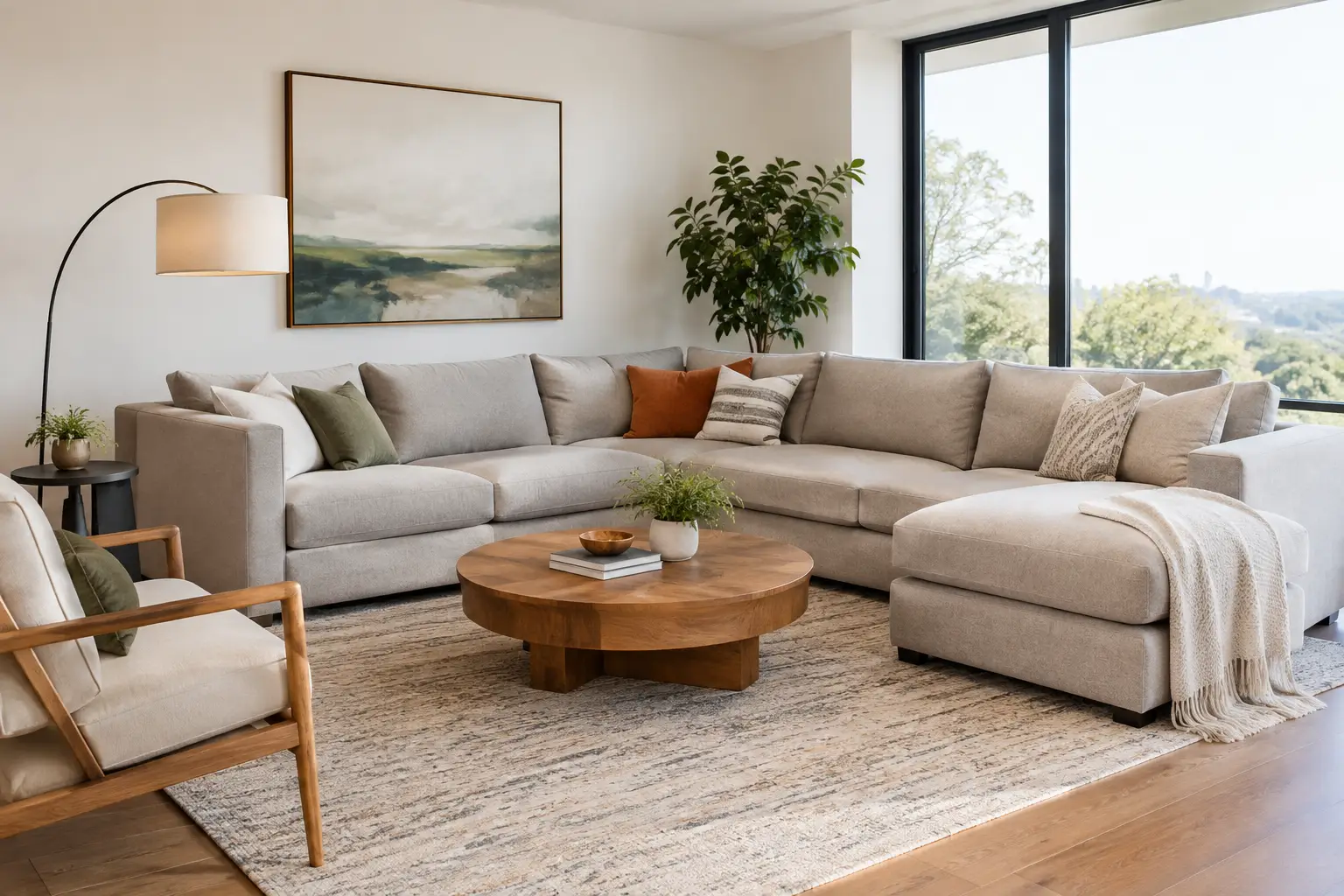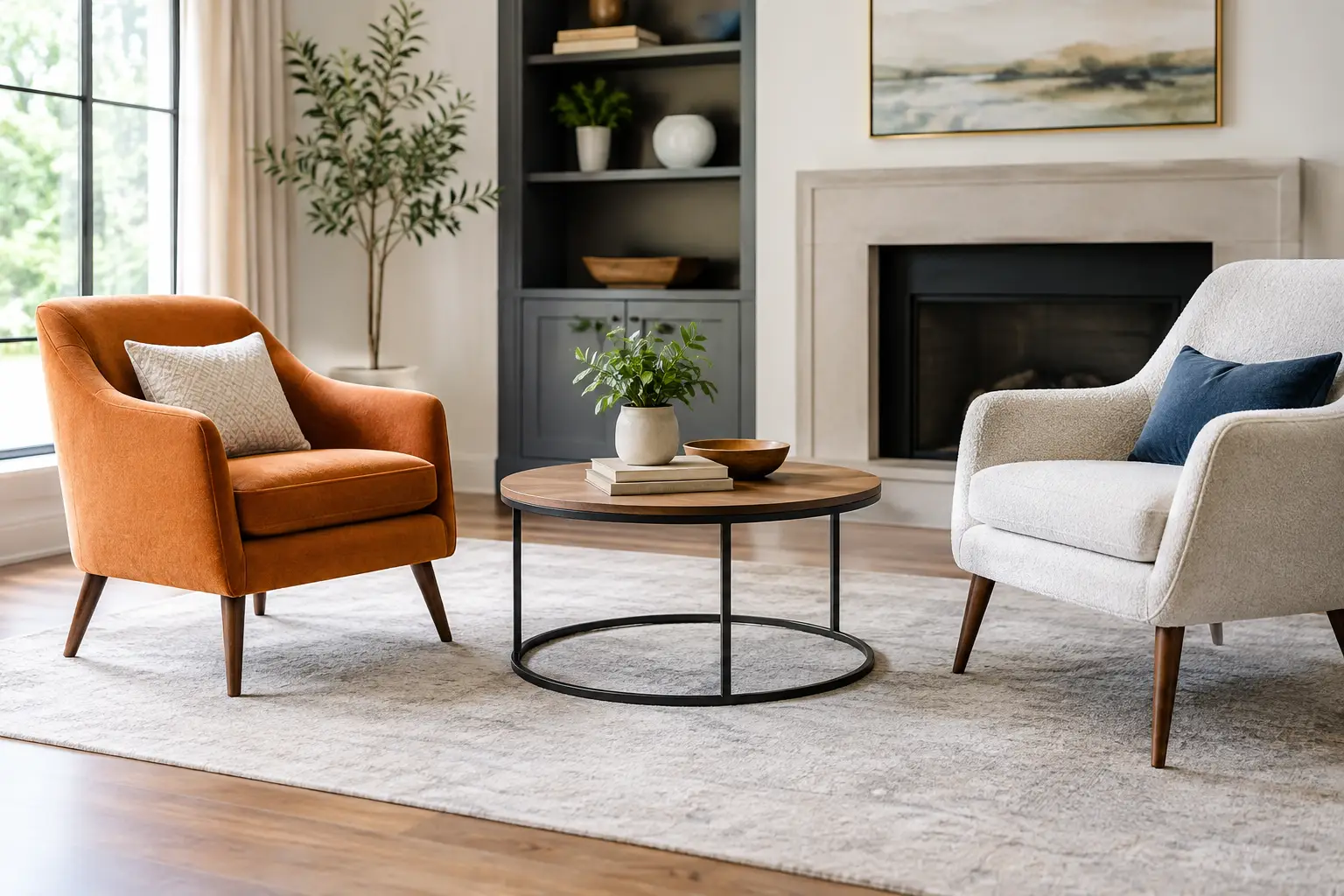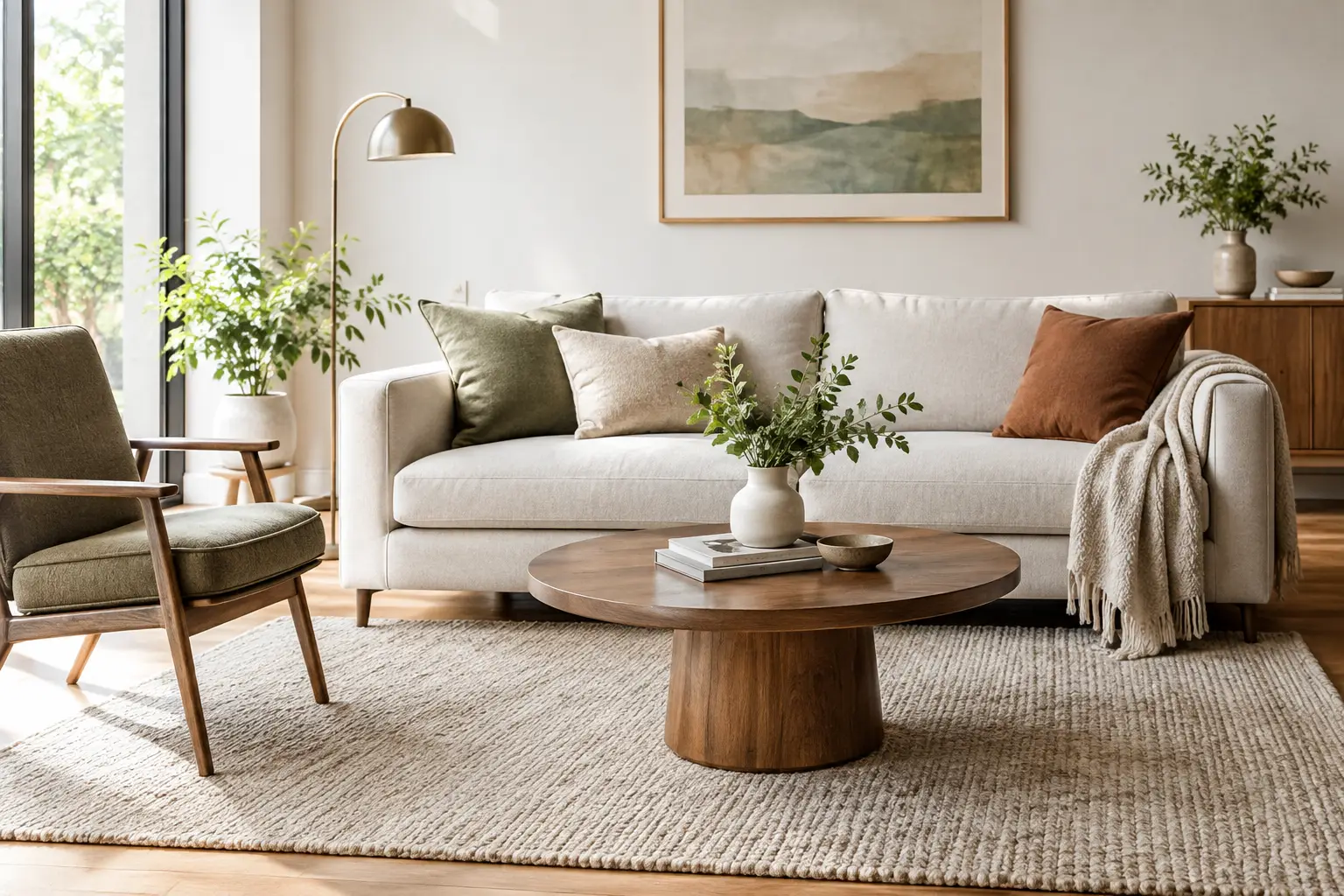
A low, sculptural sofa can look striking in a showroom, but modern furniture earns its place at home when it also supports a long movie night, a busy family morning, or an impromptu dinner with friends. The most successful contemporary interiors are not built around a single dramatic piece. They are shaped by proportion, material quality, comfort, and a clear understanding of how a room is actually used.
For Canadian homeowners and condo dwellers, that balance matters. A home may need to feel composed enough for entertaining while accommodating snow boots at the entry, a work-from-home routine, children, pets, and changing seasons. Modern design offers a useful framework: fewer, better-chosen elements; clean lines; purposeful storage; and finishes that bring warmth without visual clutter.
What Defines Modern Furniture Today?
Modern furniture is often associated with simple silhouettes, open visual space, and an absence of unnecessary ornament. That description is true, but incomplete. Contemporary European and Scandinavian-influenced pieces are equally defined by their discipline: a sofa with refined proportions, a dining table whose grain and edge profile deserve attention, or a storage unit that conceals the practical objects of daily life without feeling heavy.
This does not require an all-white room or a strict minimalist approach. Modern interiors can be soft, layered, and personal. A textured bouclé chair, warm oak dining chairs, smoked glass, natural stone, or a deeply upholstered bed can all belong in a contemporary space. The common thread is intention. Each piece should contribute to the room’s function and visual rhythm rather than compete for attention.
Quality also changes the experience. Premium furniture tends to reveal itself in the details that are felt more than announced: supportive seat construction, properly aligned drawers, durable upholstery, balanced mechanisms, and finishes that retain their character over time. These distinctions are particularly valuable for foundational pieces used every day.
Start With Scale, Not Style
The most expensive furniture can still disappoint if it is incorrectly scaled. Before choosing a sectional, dining table, or bed, consider circulation first. A room needs space not only for the furniture itself but for the way people move around it.
In a living room, a sofa that reaches too far into the path between the entry and balcony can make an otherwise generous condo feel constrained. In a dining room, a beautiful table becomes frustrating when chairs cannot be pulled out comfortably. The goal is not to leave a room sparse. It is to give every piece enough breathing room to read clearly.
Measure the room, doorways, elevators, stairwells, and the route from delivery vehicle to final placement. Then mark the proposed footprint on the floor with painter’s tape. This simple exercise can reveal whether an elegant chaise should be placed on the left or right, whether a round table would improve circulation, or whether a slimmer media unit will better suit the wall.
For compact homes, visual weight matters as much as physical dimensions. Furniture raised on legs, tables with slender bases, and storage with clean fronts can preserve a sense of openness. A larger piece can still work in a smaller room when its silhouette is calm and its placement is deliberate.
Let the Room Set the Priorities
A downtown condo and a larger family home do not ask for the same solution. In a condo, modular seating, nesting tables, extendable dining tables, and discreet storage often do more work per square foot. In a family room, deeper seating and performance upholstery may take priority. There is no universal ideal configuration – it depends on the room, the household, and what happens there most often.
Build the Room Around One Anchor Piece
Trying to select every item at once can lead to a room full of individually attractive pieces that do not relate to one another. Begin with the item that carries the greatest visual and functional weight. In a living room, that is usually the sofa or sectional. In a dining room, it may be the table. In a bedroom, the bed establishes the room’s scale and mood.
Once the anchor is chosen, supporting pieces become easier to evaluate. A generous, low-profile sectional may call for a lighter coffee table with a stone or glass top. A bold walnut dining table may be best paired with upholstered chairs in a quieter fabric. The objective is contrast with continuity: different textures and forms, connected by a considered palette.
This approach also helps with investment. Spend thoughtfully on the pieces that receive the most use and are hardest to replace. Occasional tables, accent seating, mirrors, art, and lighting can then add personality around a durable core. A room develops more naturally when it is allowed to be edited over time.
Choose Materials for Real Life
Material selection is where a polished interior becomes a livable one. A pale fabric sofa can be entirely practical, but households with children, pets, or frequent guests may prefer a high-performance textile that resists everyday marks and cleans more easily. Leather can offer longevity and a rich patina, though it may not suit every preference for softness or temperature.
Wood introduces warmth and depth, especially in Canadian interiors that need to feel inviting through long winters. Oak often brings a relaxed, tactile quality, while walnut offers greater contrast and formality. Lacquered surfaces can look beautifully crisp, but should be chosen with an understanding of their maintenance needs and the light levels in the room.
Stone and ceramic surfaces make strong choices for dining and occasional tables because they lend substance without demanding ornament. Their practical performance varies by material and finish. A knowledgeable consultant can explain how a particular surface responds to heat, spills, scratches, and regular care, which is far more useful than selecting solely from a small colour sample online.
Use Colour With Restraint, Not Fear
A neutral foundation remains a flexible choice, but neutral does not have to mean beige on beige. Consider warm grey, mushroom, putty, camel, deep olive, charcoal, or soft blue as grounding tones. These colours create calm while allowing wood, metal, and textiles to add dimension.
If you are drawn to stronger colour, introduce it through a lounge chair, dining upholstery, or a richly toned rug rather than committing every major piece to the same statement. This leaves room for the interior to evolve. It also makes a bolder selection feel intentional instead of overwhelming.
Customization Makes Modern Furniture More Personal
Customization is one of the clearest advantages of buying premium furniture. The right dimensions, fabric, configuration, leg finish, or tabletop can transform a promising piece into one that genuinely belongs in your home.
That does not mean every detail needs to be customized. Too many decisions can make a room feel overdesigned. Focus on the variables that solve a meaningful problem: a sectional configured to suit the room’s architecture, a dining table sized for everyday meals and weekend guests, or upholstery selected for comfort and durability.
Seeing materials in person is especially valuable. Fabric can appear warmer or cooler under different lighting, while wood stains and metal finishes change character beside existing flooring, cabinetry, and wall colour. Bring photos, measurements, and, when possible, samples from your home. At Levida Furniture’s Markham showroom, comparing pieces at full scale makes those decisions clearer than a screen ever can.
Finish With Layers That Add Comfort
A contemporary room should not feel like a set of isolated furniture pieces. Rugs define seating areas and soften acoustics. Lamps create pools of warm light after dark. Pillows, throws, art, and mirrors introduce scale and personality without disrupting the room’s underlying order.
Resist the urge to fill every surface. One substantial vase, a sculptural object, or a few well-chosen books can have more presence than a crowded arrangement. The same principle applies to walls: one large artwork often feels calmer and more confident than many small, unrelated frames.
The best modern furniture does not ask you to live more carefully around it. It gives daily life a more comfortable, composed setting. Choose pieces that feel exceptional when you see them, then make sure they will feel just as right on an ordinary Tuesday evening at home.