A pale, tailored sofa can transform a contemporary living room, but it also has to survive coffee, denim, pets, guests, and the occasional snowy boot near the entry. This performance fabric sofa review looks beyond the label to assess what these materials genuinely offer: easier care, impressive durability, and a polished finish, with a few considerations that deserve attention before you choose a colour or configuration.
What Is a Performance Fabric Sofa?
Performance fabric is an upholstery category designed to stand up better to everyday wear than many conventional woven fabrics. Depending on the mill and collection, it may resist staining, moisture, fading, abrasion, pilling, or odours. Some textiles achieve this through the inherent properties of solution-dyed fibres, while others have a protective finish applied to the surface.
That distinction matters. A sofa described as performance fabric is not automatically waterproof, indestructible, or identical from one manufacturer to another. Its real-world performance depends on the fibre content, weave, finish, colour, and care instructions. The term is useful, but it should be the beginning of a material conversation, not the final decision.
For design-conscious homes, the appeal is straightforward. You can consider ivory bouclé, warm stone, misty grey, or a soft textured neutral without feeling that one glass of red wine will define the life of the room. The best examples preserve the tactile, elevated character expected of premium upholstery while making daily living less precious.
Performance Fabric Sofa Review: The Everyday Test
A quality performance sofa is most convincing when it does not look or feel like a compromise. Contemporary European upholstery has moved well beyond the stiff, overly synthetic textiles that once defined easy-care furniture. Many current options have nuanced colour variation, a substantial hand, and the softly matte finish that works so well with oak, natural stone, smoked glass, and sculptural lighting.
Comfort is equally important. Fabric affects the first impression when you sit down, but cushion construction determines how the sofa supports you over time. A richly textured performance weave on a shallow, firm frame may suit a formal sitting room, while the same fabric on deep feather-and-foam cushions can create a more relaxed, lounge-worthy experience. Evaluate both together rather than choosing fabric from a swatch alone.
Stain resistance is the feature most buyers notice first, and it is genuinely valuable. Fresh spills often bead at the surface long enough to blot them with a clean, absorbent cloth. Water-based marks from coffee, juice, or everyday food are usually far less stressful than they would be on untreated linen or delicate velvet.
However, easy cleaning is not the same as no cleaning. A spill should still be addressed promptly, without rubbing it deeper into the weave. Oil-based foods, ink, cosmetics, dark dyes, and heavily pigmented liquids can be more demanding. Repeated use in one favourite seat may also create natural compression or subtle shading over time, particularly on plush or highly textured fabrics. That is wear, not necessarily a defect.
Where Performance Upholstery Excels
For busy family rooms, open-concept condos, and homes that entertain often, performance fabric offers a practical level of freedom. It is particularly well suited to a sectional that anchors daily life, where the goal is not to preserve a showroom-perfect surface but to enjoy an elegant room without constant caution.
Homes with pets can benefit too, although no woven fabric is fully claw-proof. A tightly woven texture generally gives claws less to catch than a loose boucle or open basket weave. Pet hair may also be easier to vacuum from a smoother surface. If a dog frequently jumps onto the sofa after wet walks, a mid-tone, low-contrast fabric will be more forgiving than crisp white or deep charcoal.
Canadian light conditions are another reason to consider performance textiles. Large condo windows can bring intense sun across one side of a room, while bright snow reflection increases exposure in winter. Fade-resistant upholstery is useful near glazing, though blinds, sheers, and thoughtful furniture placement still protect any fabric over the long term.
For renters and condo owners, performance fabric can make a lighter, more expansive palette feel attainable. In smaller spaces, a pale sofa often keeps the room visually open. Choosing a durable, cleanable fabric means that sense of airiness does not have to come with constant worry.
The Trade-Offs to Consider Before Ordering
The strongest performance fabrics can have a slightly more structured feel than natural linen or brushed cotton. This is not inherently negative – a crisp weave may be exactly right for a clean-lined Italian-inspired sofa – but it is worth touching a full sample and sitting on the finished piece when possible. Texture, warmth, and softness are personal decisions.
Breathability can vary as well. Some synthetic-rich fabrics feel comfortable year-round, while others may feel less airy than natural fibres during a warm Toronto summer. Blends often offer a considered middle ground, combining the softness or visual depth of natural fibres with greater resilience.
Colour also changes the experience. Light neutrals reveal fewer lint marks and can make a room feel generous, but they may show transfer from dark denim or a new leather bag. Very dark solids conceal certain stains yet can reveal pale pet hair, dust, and crumbs. A heathered taupe, mushroom, warm grey, or soft olive often gives the most forgiving balance because tonal variation disguises minor daily marks.
Finally, performance does not remove the need for proportion and design discipline. A durable fabric cannot rescue a sectional that overwhelms a condo living room or a low-profile sofa with insufficient back support for how you actually relax. Measure pathways, check chaise orientation, and consider the visual weight of the arms, base, and cushions before becoming focused on fabric alone.
How to Assess Fabric Quality in Person
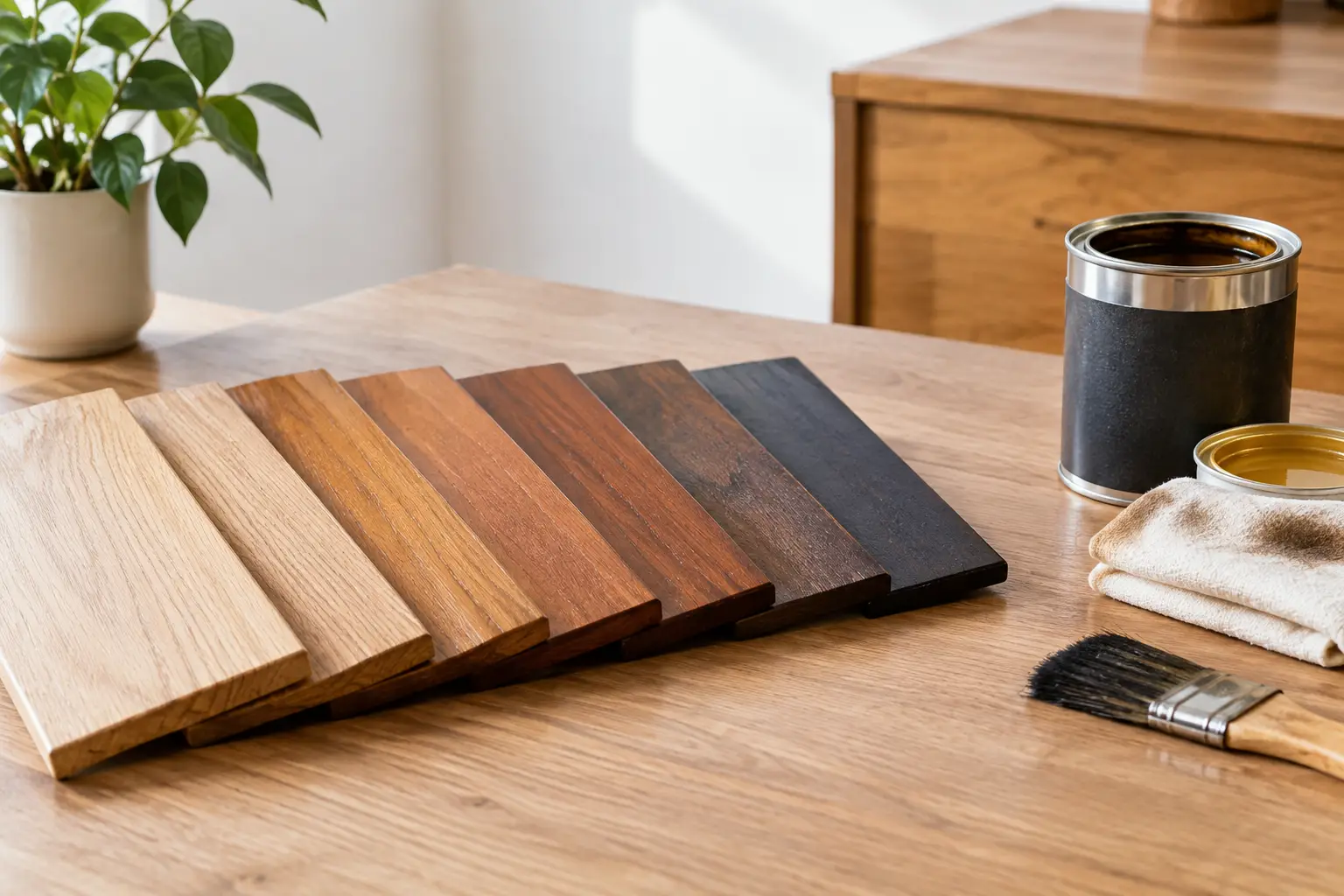
A small swatch is useful for colour direction, but it cannot fully communicate how an upholstery fabric will perform across a three-seat sofa. If possible, request a larger sample and view it in your home at different times of day. Hold it against flooring, wall colour, rugs, and wood finishes. Neutral fabrics can shift dramatically from cool to warm depending on surrounding materials and natural light.
Ask about the fibre composition, cleaning code, and the specific performance qualities of the selected textile. It is also reasonable to ask whether the fabric has been tested for abrasion and pilling, particularly for a high-use family-room piece. Higher numbers do not tell the entire story, but they provide helpful context alongside weave construction and intended use.
Run your hand across the surface in both directions. Look for a texture that feels pleasing but not fragile, and consider whether a directional pile will show tracking or pressure marks. Sit in the sofa with the fabric you are considering, if available. The most successful choice should feel as refined at the end of a long evening as it looks when the room is first styled.
A showroom visit is especially valuable for custom upholstery. At Levida Furniture, comparing fabrics alongside frame proportions, cushion fills, and finishes can make the choice more confident, particularly when furnishing a complete living space rather than selecting a sofa in isolation.
Care That Keeps the Sofa Looking Considered
Regular care is simple and makes a visible difference. Vacuum gently with an upholstery attachment to remove grit before it works into the weave. Rotate and fluff loose cushions where the construction allows, and avoid placing the sofa directly against a heat source or in uninterrupted harsh sunlight.
For spills, blot rather than scrub. Begin with the manufacturer-approved method, usually a clean white cloth and a small amount of water or a recommended upholstery cleaner. Test any product in an inconspicuous area first. Avoid improvised treatments, harsh chemicals, and steam unless the care instructions explicitly permit them, as these can alter a protective finish or leave a watermark.
For a larger stain or a piece with removable covers, professional upholstery cleaning may be the more prudent route. The goal is not aggressive cleaning. It is preserving the fabric’s colour, texture, and finish so the sofa continues to feel composed over years of use.
Is It Worth Choosing Performance Fabric?
For most contemporary Canadian homes, yes – provided the fabric is selected with the same care as the sofa itself. It is an excellent option for households that want the comfort of a beautifully upholstered piece without reserving it for special occasions. It also supports a more relaxed approach to light colours, generous sectionals, and rooms designed for real use.
The right choice depends on your priorities. If you value the irregular, relaxed character of pure linen above all else, you may accept more maintenance. If you have young children, pets, frequent guests, or a bright condo living room, performance upholstery can be a thoughtful investment in both appearance and peace of mind.
Choose the fabric that invites you to sit down, not simply the one that promises the most protection. When its texture, colour, and comfort suit the way you live, a performance sofa can remain the calm, beautifully finished centre of the room long after the first spill has been forgotten.