A sofa can look immaculate in a showroom and still feel wrong by the end of a long Sunday. That is where luxury furniture earns its place. It is not simply a matter of a more impressive silhouette or a higher price point. The difference is felt in the support of the seat, the finish of the wood, the way a dining chair sits under the table, and how confidently a piece continues to work after years of everyday life.
For contemporary Canadian homes, luxury is most convincing when it makes a room more liveable. It should bring visual calm without feeling precious, offer quality without unnecessary excess, and suit the realities of condo footprints, family routines, guests, pets, and changing seasons.
What Defines Luxury Furniture?
The term is sometimes used too broadly. A fashionable piece with a high-gloss finish may look expensive, but lasting quality comes from what is beneath the surface as much as what is visible.
European-made furniture is often valued for its disciplined approach to proportion, engineering, and material selection. A well-made sectional may have carefully considered seat depths, resilient cushioning, and a frame designed to stay stable through daily use. A dining table may reveal the character of natural veneer or solid wood rather than disguising it. Cabinetry should open smoothly, align cleanly, and feel substantial without becoming visually heavy.
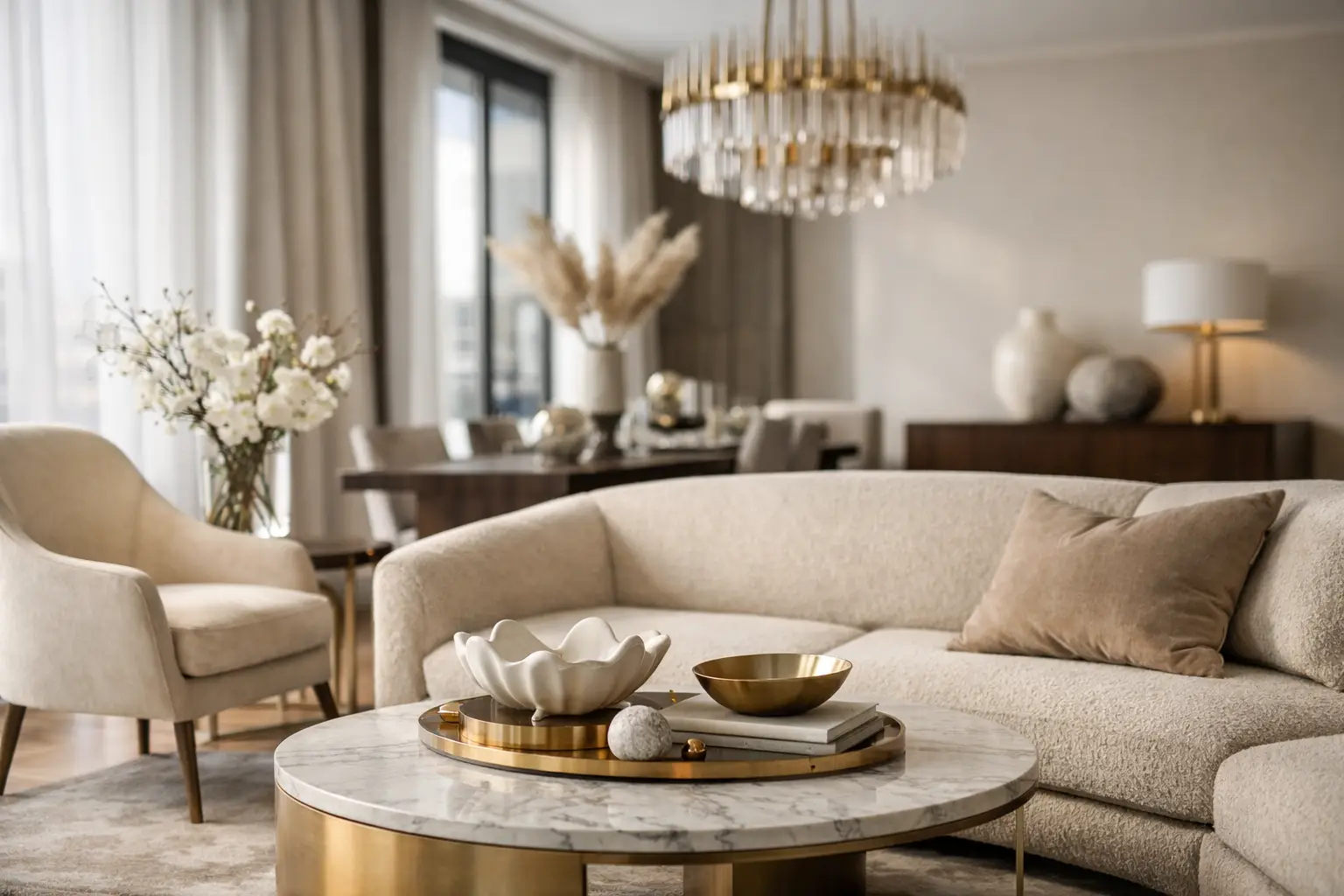
Luxury also has a quieter visual language. Scandinavian-inspired simplicity, refined Italian forms, and contemporary European detailing tend to favour balance over spectacle. Clean lines leave room for beautiful materials to speak: textured bouclé, supple leather, matte lacquer, smoked glass, brushed metal, ceramic, and natural wood finishes. The result can feel elevated while still being easy to live with.
That said, luxury furniture is not defined by minimalism alone. A more expressive curved sofa, a sculptural marble-look table, or richly upholstered bed can be equally appropriate when the scale and finish are considered. The common thread is intentionality. Each element should contribute to comfort, function, and a cohesive interior.
Start With How the Room Needs to Work
Before choosing a colour or style, consider the room in use. This is especially valuable in GTA condos, where one living area may serve as a lounge, dining space, home office, and place to entertain. The most successful interiors account for circulation as carefully as they account for aesthetics.
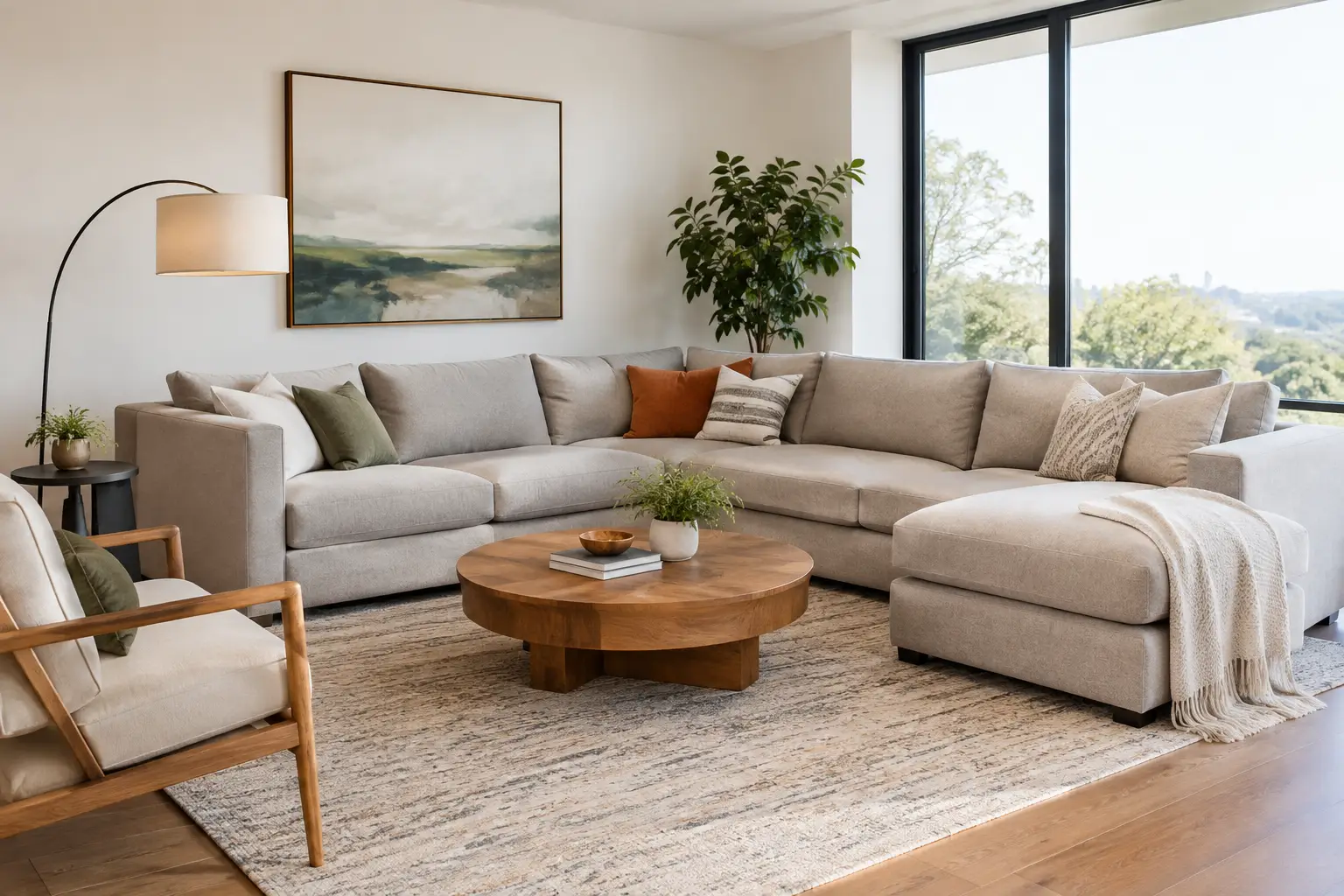
In a living room, measure not only the wall available for a sofa but also the paths around it. A large sectional can make a generous room feel wonderfully grounded, yet it can overwhelm a narrow condo layout if the chaise interrupts access to a balcony or dining area. In smaller spaces, a tailored apartment-scale sofa with elevated legs may maintain a more open sightline. Pairing it with a compact swivel chair or occasional chair can provide flexible seating without creating congestion.
Dining rooms benefit from the same attention. A table should allow enough space for chairs to be pulled back comfortably, particularly when the room is used for both family meals and entertaining. An extendable table is often an intelligent investment for urban homes: compact for ordinary evenings, then generous enough for holidays and dinner parties. The mechanism matters. It should operate easily and preserve the table’s sense of proportion when closed.
Bedrooms are often where comfort and restraint need the most careful balance. An upholstered bed brings softness and presence, but its headboard height should suit the ceiling and the wall behind it. Storage beds, streamlined nightstands, and integrated dressers can be particularly useful in condos, provided they do not turn the room into a wall of bulky case goods.
Materials Tell the Real Story
Materials influence how furniture looks, feels, ages, and performs. There is no single best choice, because the right finish depends on the household and the room.
Leather develops character over time and can be an excellent option for a frequently used living room. Its patina is part of its appeal, although it needs thoughtful care and may not be the first choice for clients who prefer a softer, more relaxed texture. Performance fabric can offer a practical alternative, combining a refined hand-feel with greater resistance to everyday spills and wear. For homes with children or pets, this can make a pale upholstered piece feel far more realistic.
Wood deserves close attention as well. Solid wood offers depth and durability, while high-quality veneer can achieve a beautiful, stable finish and allow for more sophisticated grain matching across a large surface. Neither should be dismissed automatically. What matters is the quality of construction, the finish, and whether the material is appropriate for the design.
Stone, ceramic, and glass tables each create a different mood. Ceramic surfaces offer impressive practicality for dining, often resisting heat and stains better than more porous materials. Glass can make a compact room feel lighter but requires regular cleaning and may feel less forgiving in a busy family setting. A wood or ceramic top with a sculptural base can provide both visual warmth and everyday resilience.
Why Customization Changes the Outcome
A beautifully designed piece still has to belong in your home. Customization makes that possible, particularly when a standard configuration leaves too much unused space or fails to relate to the rest of the room.
The most useful choices are often not dramatic. Selecting the correct sectional orientation, reducing a sofa’s depth, choosing a dining table length that respects circulation, or specifying a more durable upholstery can transform how a room functions. Fabric, colour, leg finish, wood tone, and modular arrangement all affect whether a piece feels integrated or merely placed.
Customization does require more considered decision-making. A fabric swatch can look different beside a north-facing window than it does under showroom lighting, and a warm oak finish may shift in appearance against cool grey flooring. It is wise to view samples in the home where possible and compare them with paint, flooring, cabinetry, and existing rugs. For custom orders, confirm dimensions, lead times, and access requirements early. An exceptional sofa is not useful if it cannot clear the elevator, stairwell, or condo doorway.
Build a Cohesive Interior, Not a Matching Set
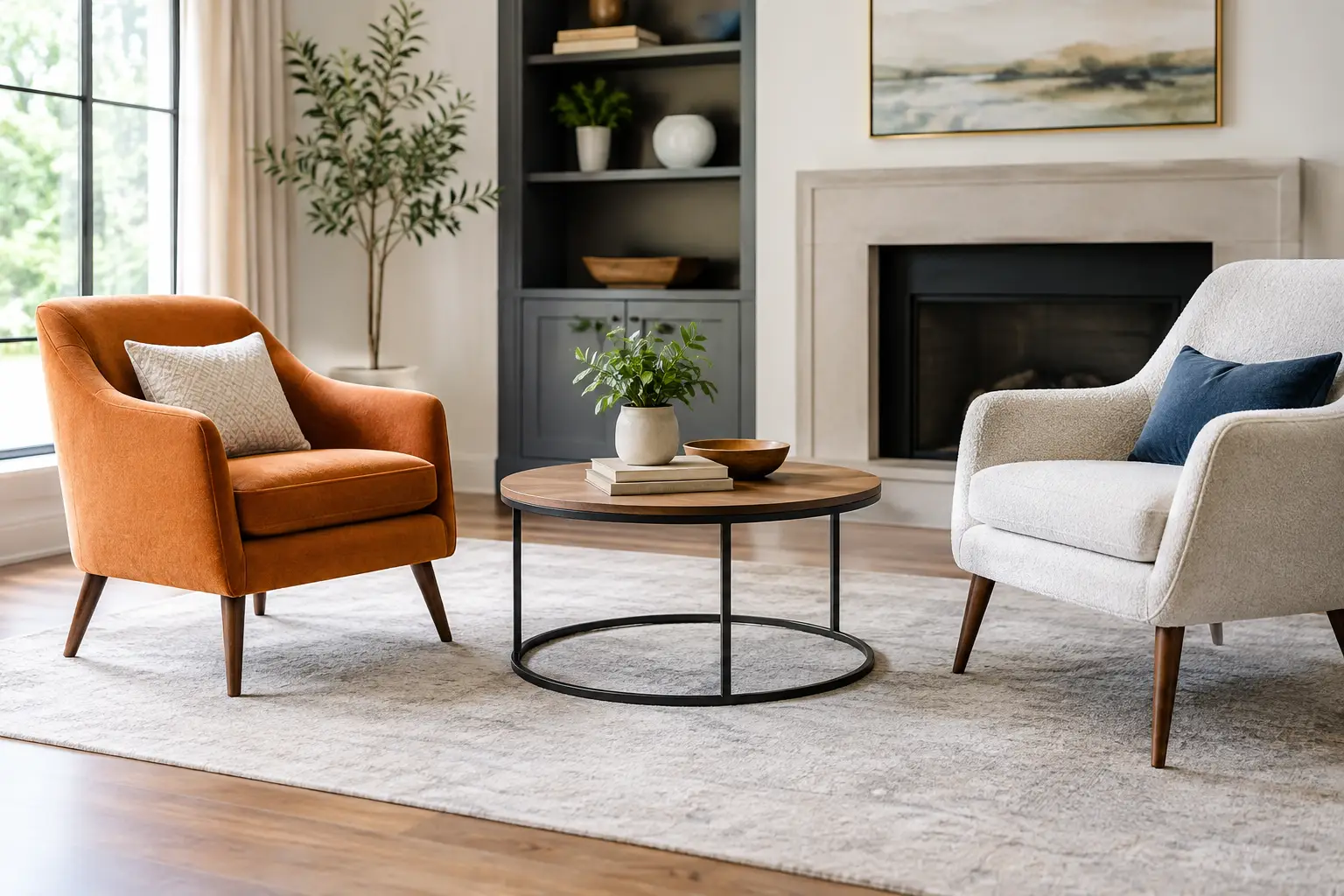
A coordinated home does not require every piece to come from the same collection. In fact, rooms often feel more personal when materials and forms are thoughtfully layered. A low, contemporary sofa might sit comfortably beside a walnut occasional table, a textured rug, and a dining area with softly curved chairs. The connection may be as subtle as a repeated warm metal accent, a shared wood undertone, or a similar sense of visual lightness.
The aim is rhythm, not repetition. If the living room includes a substantial modular sectional, introduce a lighter coffee table or open-frame accent chair. If the dining table is bold and architectural, chairs with softer upholstery can balance its presence. Mirrors and wall art should support the composition rather than compete with it, especially in compact spaces where each surface is highly visible.
This room-by-room perspective is one reason an in-person showroom remains valuable. Seeing a sofa, table, dining chair, bed, and finish samples together makes proportion easier to judge. At Levida Furniture in Markham, clients can experience comfort firsthand, compare materials in real time, and receive guidance that connects individual selections to a complete interior.
Make the Investment With Clear Priorities
Not every item needs the same level of investment. Prioritize pieces that carry daily use and anchor the room: the sofa, dining table, bed, mattress, and key storage elements. These are the items where construction, comfort, and lasting materials make the greatest difference.
Accent furniture and décor can then bring personality around those foundations. A distinctive mirror, side table, artwork, or occasional chair can refresh a space without forcing a full redesign. This approach also allows a home to evolve naturally rather than being completed all at once.
When evaluating a piece, sit on it, open it, inspect it, and imagine the ordinary moments it will support. Consider who will use it, what it will need to withstand, and whether its proportions will still feel right after the novelty has faded. The best choice is rarely the loudest one. It is the piece that makes coming home feel considered, comfortable, and entirely your own.