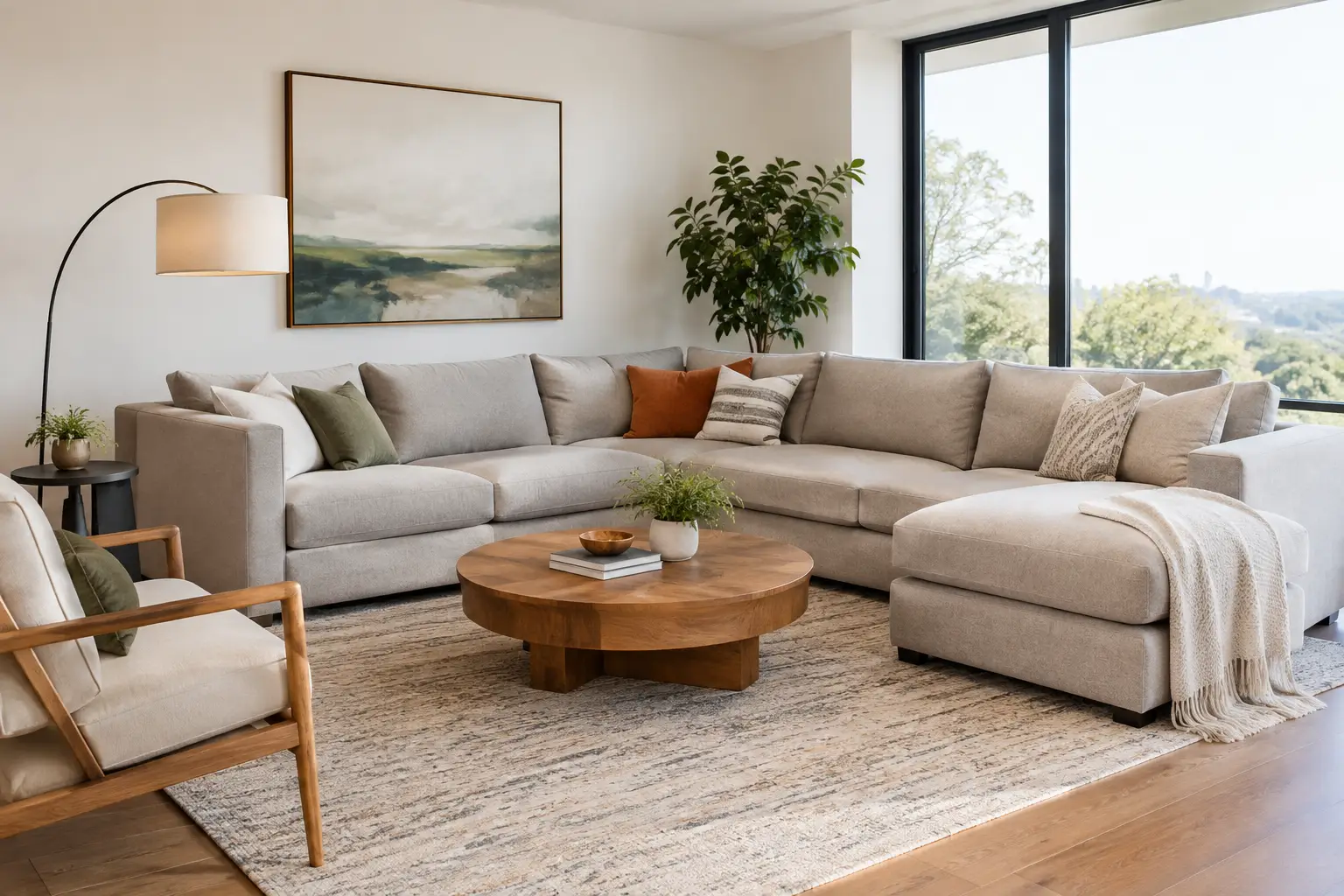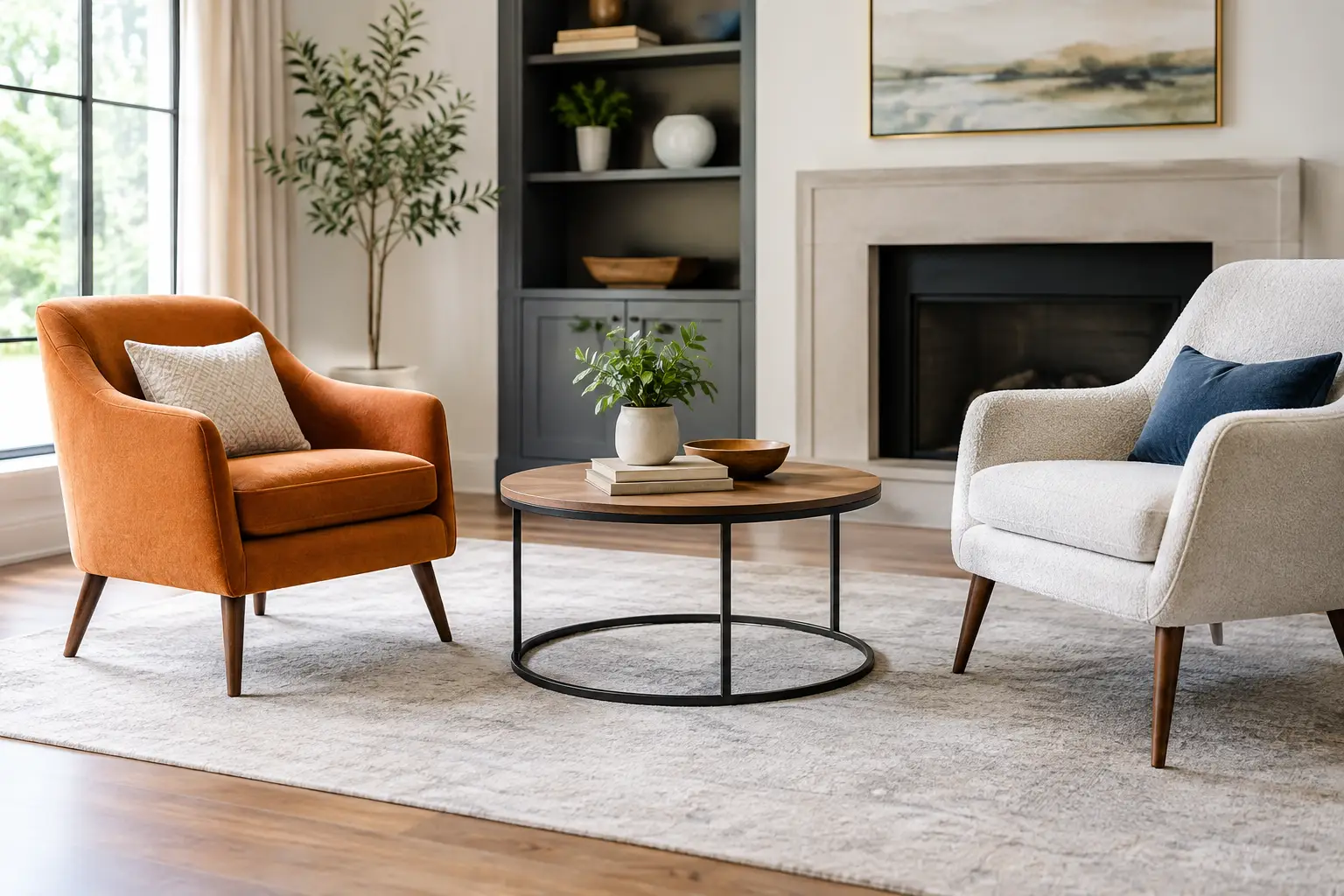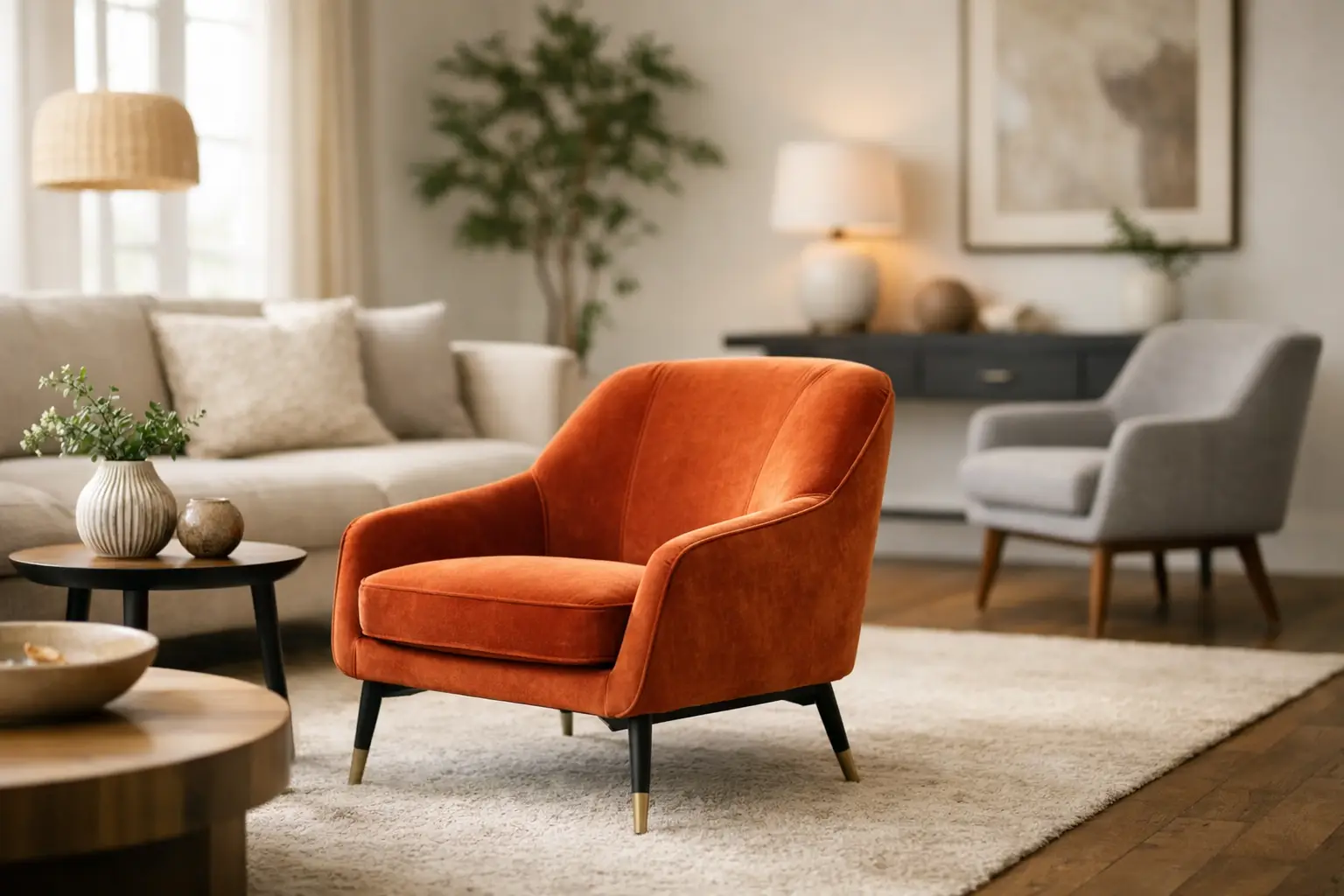
A room can have a beautifully proportioned sofa, considered lighting and a statement rug, yet still feel unfinished. Often, the missing element is an accent chair: the piece that introduces contrast, creates a destination within the room and makes a seating arrangement feel complete. Chosen well, it is not simply extra seating. It is a chance to bring personality, softness or sculptural presence into an interior without disrupting its overall calm.
For contemporary Canadian homes, the best choice balances visual impact with everyday usefulness. A chair may need to fit a downtown condo living room, offer a comfortable place to read beside the fireplace or provide a graceful landing spot in a primary bedroom. The details matter – from its footprint and seat depth to the fabric’s texture in changing natural light.
Start With the Chair’s Role in the Room
Before focusing on colour or style, consider what the chair needs to do. An occasional chair placed opposite a sectional may be part of the main conversation area, so comfort and sightlines deserve priority. One positioned by a window or bookshelf can be more intimate, creating a quiet corner for coffee, reading or conversation. In a bedroom, it may be as much about atmosphere as it is about utility.
This distinction affects every decision that follows. A generously cushioned swivel chair invites long conversations and lets the sitter turn toward the room or view. A slimmer lounge chair with an open base may be more suitable for a compact space where visual lightness is essential. A decorative chair with a more upright sit can work beautifully in an entry or dressing area, where it will be used briefly but seen often.
Think about circulation as carefully as seating. Leave enough room to walk naturally around the chair and avoid placing it where it blocks a doorway, balcony access or storage. In smaller condos, a chair that appears modest in a showroom can feel substantial once paired with a sofa, coffee table and side table. Measuring the available zone, including the space needed to pull the chair away from a wall, prevents an elegant choice from becoming an awkward fit.
Choosing Accent Chairs by Scale, Not Just Style
Scale is what makes an individual piece look intentional in a complete interior. A low, deep sofa generally needs a chair with enough visual weight to hold its own. That does not mean matching it exactly. In fact, a contrasting silhouette often creates a more layered result. The chair might have a curved back beside a linear sofa, or slender metal legs against a grounded upholstered sectional.
Start with the chair’s overall height. A very tall back can bring welcome vertical definition to a room with low furniture, but it may compete with artwork, windows or a feature wall. Lower-profile chairs create a relaxed, contemporary mood and preserve open sightlines, particularly in rooms where the view is part of the design.
Width and depth deserve equal attention. Armchairs with broad arms and deep seats feel luxurious, but may not suit a narrow condo layout. Armless designs, compact tub chairs and occasional chairs with raised legs can offer comfort while keeping the floor visually open. Conversely, a large family room can benefit from a more substantial form that prevents the seating area from feeling scattered.
There is no rule that says a chair must match the sofa’s height, fabric or leg finish. What matters is a sense of relationship. Repeat one subtle element – perhaps the warmth of walnut, the curve of a silhouette or a soft neutral undertone – and allow the rest to contrast with confidence.
Fabric and Finish Set the Mood
Accent chairs are an ideal place to introduce a material that would be too bold across an entire sofa. A textured bouclé can bring softness and depth to a minimal living room. Velvet catches the light beautifully and adds a more tailored, evening-ready quality. Leather offers a rich, practical finish that develops character over time, while tightly woven performance fabrics are often the sensible choice for busy households with children or pets.
The right material depends on how the chair will be used. A pale, tactile fabric may be perfect for a bedroom corner with limited traffic. In a frequently used family room, consider a fabric with an easy-care finish or a mid-tone colour that is more forgiving between cleanings. Leather can be especially compelling in homes that favour warm woods, stone and darker architectural accents, though it may feel cooler at first than a deeply upholstered fabric chair.
Colour should be viewed in the context of the room rather than selected from a small swatch alone. Natural daylight, evening lighting and neighbouring finishes will change how a tone reads. Soft taupe, cream, charcoal and warm grey can create a quiet foundation, but neutral does not have to mean flat. A nubby weave, tonal pattern or contrasting piping can give a restrained palette real presence.
For a more expressive interior, consider forest green, oxblood, rust, deep blue or a refined pattern. These tones work best when they relate to at least one other feature in the room, such as art, a rug or cushions. The goal is not perfect coordination. It is a considered rhythm of colour and texture.
Create Contrast With a Cohesive Interior
A matching pair of chairs can lend formality and balance, particularly when arranged across from a sofa or flanking a fireplace. They are also useful in open-concept living rooms, where symmetry can give a large space a clear centre. Select two only when the room has sufficient width and when both chairs will be genuinely usable. Forcing symmetry into a small room can make it feel less relaxed, not more refined.
One distinctive chair offers a different kind of flexibility. It can break up an overly coordinated furniture set and introduce an unexpected shape or finish. A sculptural Scandinavian-inspired lounge chair can soften the clean geometry of a contemporary sofa. A curved upholstered chair can bring movement to a room filled with rectilinear cabinetry and tables.
Consider the chair from every angle, especially in open layouts. The back may be visible from the dining area or kitchen, making upholstery, stitching and silhouette just as important behind the chair as they are from the front. This is where quality construction and thoughtful tailoring become particularly apparent.
The Small Details That Change the Result
A side table within easy reach transforms an attractive chair into a place people actually use. Pairing it with a floor lamp creates a reading corner, while a compact ottoman adds the option to stretch out without committing to a recliner. These supporting pieces should complement the chair’s scale rather than crowd it.
Pay attention to the base as well. Wood legs bring warmth and work naturally with Scandinavian-influenced interiors. Black metal feels crisp and architectural. A swivel base can make a chair more adaptable in a social space, while a concealed base gives a rounded form a more sculptural, almost floating appearance.
A Better Way to Choose in Person
Photographs are valuable for narrowing options, but comfort, scale and material quality are best understood firsthand. Sit back fully rather than perching on the front edge. Notice whether your feet rest comfortably on the floor, whether the arms support you naturally and whether the seat feels appropriate for the time you expect to spend there.
Bring room measurements, photos and samples of existing finishes when visiting a showroom. This makes it easier to compare proportions and see how a fabric, wood tone or metal detail might work with your flooring, cabinetry and lighting. For customized pieces, ask to see larger fabric samples and consider how each option will wear in your particular home.
At Levida Furniture’s Markham showroom, this process can become a more complete design conversation, especially when selecting a chair as part of a living room or bedroom update. Seeing European-made silhouettes, upholstery and finishes together helps reveal combinations that may not be obvious on a screen.
The most successful accent chair is the one that looks composed from across the room and feels inviting when someone takes a seat. Give it enough space to belong, choose a material suited to real life and let its shape add a fresh note to the room. That small decision can change not only how a space looks, but how often it is enjoyed.