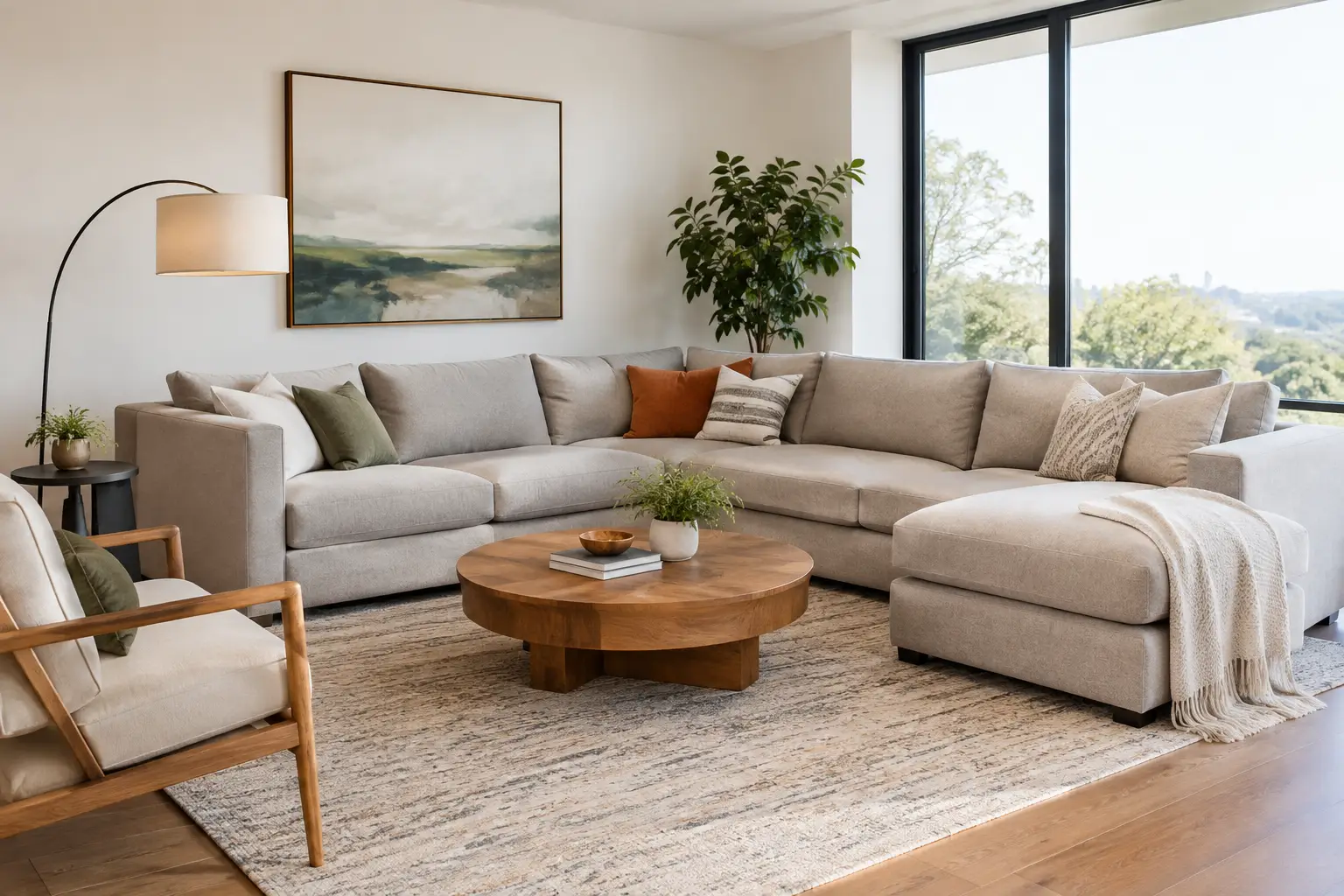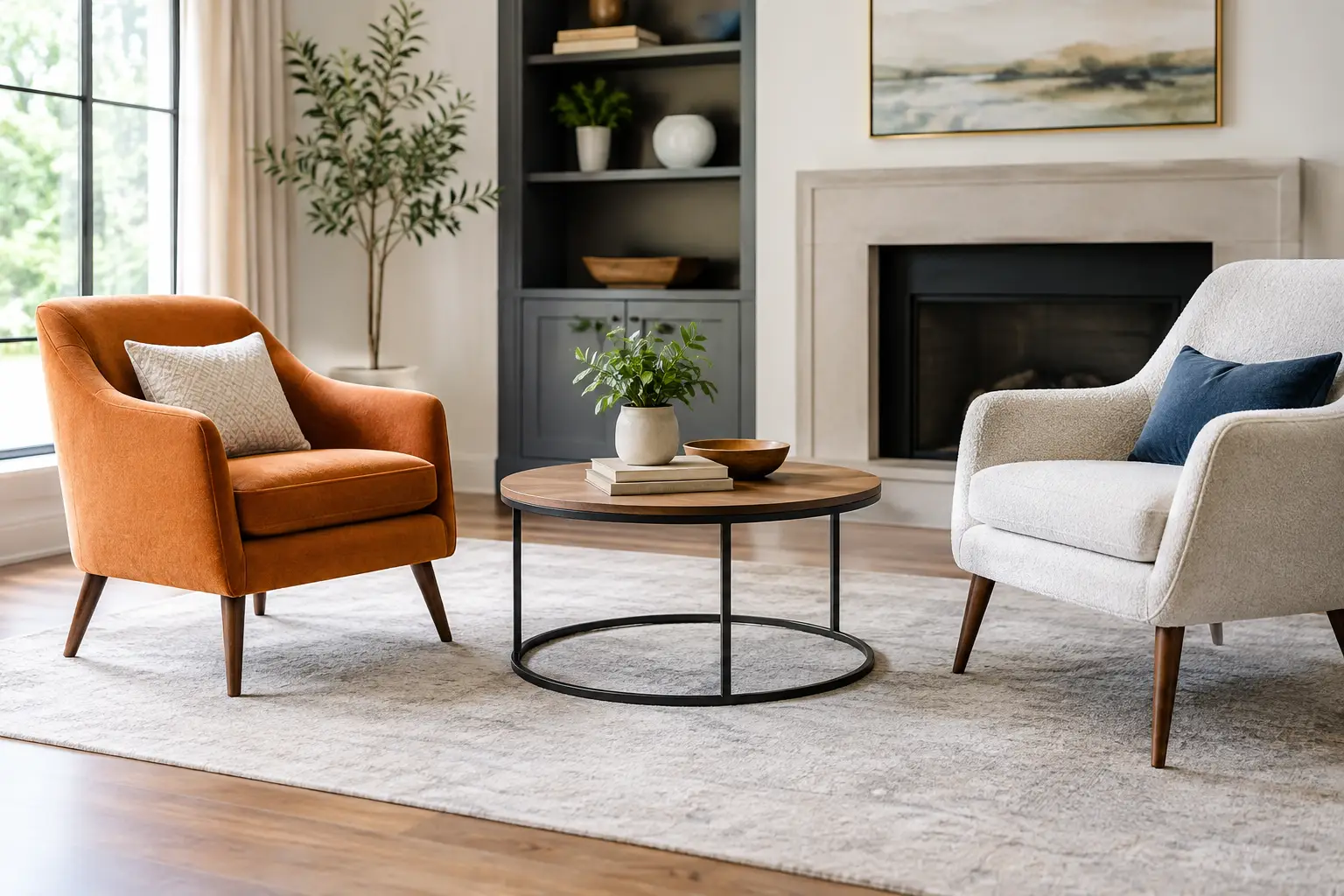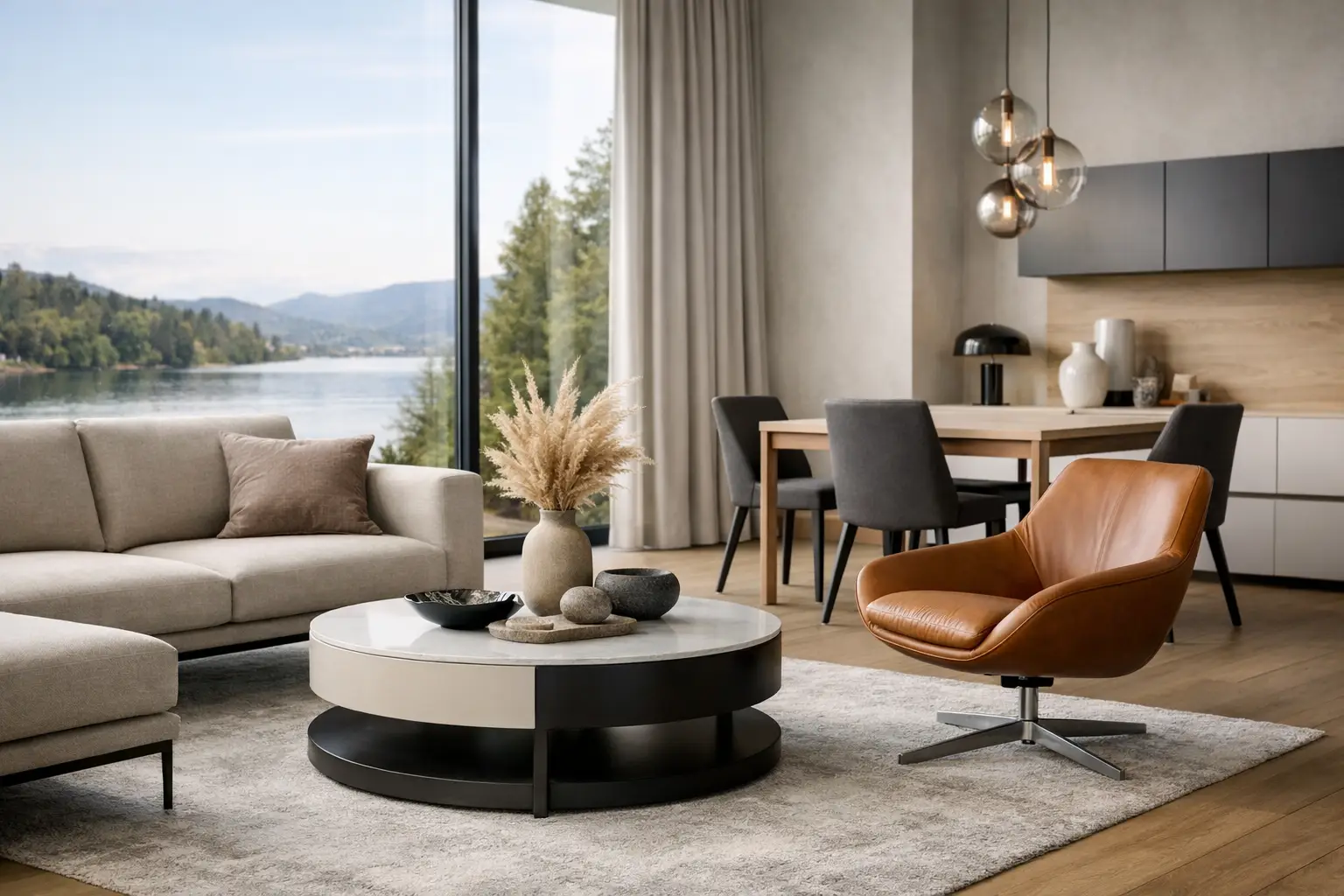
A low-profile Italian-inspired sofa can look perfect in a Toronto condo photograph, yet feel too deep once it meets a compact living room. A sculptural dining table may be beautiful, but only if there is still enough room to pull out every chair. This is where European furniture Canada offers its real value: not simply a particular look, but a more considered way to furnish contemporary homes around proportion, comfort, material quality, and daily use.
European design is often associated with clean lines and visual restraint. Those qualities matter, but they are only the beginning. The best pieces bring clarity to a room while making it easier to live in, whether that means a sectional configured for family movie nights, a dining table that extends for guests, or a bed with storage that makes a condo bedroom work harder.
What Defines European Furniture in Canada?
There is no single European style. Italian furniture may favour expressive silhouettes, tailored upholstery, polished stone, and richly detailed finishes. Scandinavian-influenced pieces tend toward softer woods, simple forms, tactile textiles, and a lighter visual footprint. German and other contemporary European traditions often place particular emphasis on precision, modularity, and thoughtful mechanisms.
What connects these approaches is an attention to proportion. A sofa is not designed only as a large upholstered object, but as a composition of seat depth, back height, arm width, leg profile, and cushion support. A dining chair is considered from every angle because it will be seen in an open-plan room, not tucked away in a formal dining space.
For Canadian buyers, this design language works especially well in contemporary homes. It complements floor-to-ceiling condo windows, wide-plank flooring, architectural lighting, and open kitchens without making the space feel cold. The goal is a room that appears composed, yet remains comfortable enough for everyday life.
Choose European Furniture for the Way You Live
A refined interior should begin with the realities of the room, not a trend board. Before selecting finishes or fabrics, consider how the space is used, who uses it, and what must happen there on an ordinary weekday.
Start with scale, circulation, and sightlines
In smaller homes and condos, furniture needs to preserve movement. Measure wall lengths, door swings, elevators, hallways, and the route from the entry to the final room. Then consider clearances: dining chairs require room to slide back, coffee tables need comfortable access around them, and a sectional should not crowd the path to a balcony or kitchen.
Visual scale matters alongside physical dimensions. A sofa with a low back and raised legs can make a compact room feel more open than a similarly sized model with a heavy base. A dining table with a slender top and carefully shaped pedestal may offer generous seating without filling the room visually.
In larger homes, the opposite challenge often appears. Furniture that is too slight can leave an open-concept main floor feeling disconnected. A substantial sectional, oversized rug, and a dining table with a confident silhouette can create the necessary sense of structure. It depends on the architecture, ceiling height, and how rooms relate to one another.
Prioritize comfort without compromising the silhouette
European furniture is sometimes assumed to be beautiful but formal. That can be true of certain designs, especially pieces with shallower seats or firmer cushioning. It is not a rule.
The right comfort level is personal. Some clients prefer an upright sofa that supports conversation and reading; others want a deeper, relaxed seat for long evenings at home. Test the seat depth, cushion recovery, arm height, and back support in person whenever possible. A model that looks streamlined can still offer excellent comfort when its internal construction and upholstery are well considered.
For households with children, pets, or frequent guests, performance fabrics and durable leather can offer a practical balance. Texture, weave, and colour variation can also be helpful, as they tend to be more forgiving than very smooth pale fabrics. Premium materials are worth protecting, but they should not make a living room feel off-limits.
Materials and Finishes That Age Beautifully
The character of a European-inspired interior often comes from its material palette. Rather than relying on ornament, it lets the grain of wood, the depth of stone, the softness of bouclé, or the sheen of lacquer do the visual work.
Natural wood brings warmth to a contemporary setting, from pale oak and walnut to smoked or darker stained finishes. The best choice is not necessarily the most dramatic one. Consider existing flooring, kitchen cabinetry, natural light, and the undertones already present in the home. A warm walnut dining table can add depth to a pale interior, while light oak may keep a darker condo from feeling enclosed.
Stone, ceramic, glass, and metal introduce contrast. A marble-look ceramic tabletop can provide the elegance of stone with easier day-to-day care, making it a sensible choice for active dining spaces. Glass can visually lighten a room, though it may show fingerprints more readily. Metal details bring definition, particularly when repeated in lighting, hardware, or occasional tables.
Upholstery deserves the same attention. Ask how a fabric feels, how it performs, and how it changes under daylight and evening lighting. Order samples when possible and view them beside flooring, paint, and drapery. A colour that feels warm under showroom lights may read cooler against a north-facing window at home.
Customization Makes a Cohesive Interior Possible
Customization is one of the strongest reasons to choose high-end European furniture. It allows a room to be designed around its actual dimensions instead of forcing a standard piece into a compromise.
A sectional may be available in left- or right-facing versions, with alternative chaise lengths, armless modules, or slimmer arms. A dining table may come in different lengths, base options, and top finishes. Beds, storage pieces, and accent chairs can often be selected in complementary fabrics, woods, or metals to create continuity across several rooms.
That flexibility calls for restraint. Too many finishes can make an interior feel fragmented, even when every individual piece is attractive. A useful approach is to establish a quiet foundation, then choose two or three recurring materials. For example, warm oak, soft ivory upholstery, and blackened metal can carry through a living room, dining area, and bedroom while allowing each space to retain its own identity.
Customization also requires realistic expectations. Special-order furniture may involve longer lead times than in-stock pieces, and highly specific choices can be harder to revise once production begins. The advantage is a more personal result, provided decisions are made with accurate measurements, samples, and professional guidance.
Why the Showroom Experience Still Matters
Online browsing is useful for identifying a direction, comparing silhouettes, and building an initial wish list. It cannot fully communicate the density of a cushion, the finish of a wood veneer, the operation of an extension mechanism, or the difference between two closely related neutral fabrics.
A showroom visit gives those decisions appropriate context. Sit on the sofa as you would at home. Open the storage unit. Pull out the dining chairs. Compare finishes next to one another and step back to see how a collection holds together. These small observations can prevent expensive mistakes.
At Levida Furniture in Markham, clients can explore contemporary European-made collections in a setting designed to support whole-room decisions. A consultation is particularly valuable when furnishing a new condo, renovating a main floor, or selecting several major pieces at once. Bring floor plans, measurements, photographs, and any existing material samples. The more specific the starting point, the more confidently choices can be narrowed.
Build the Room in the Right Order
For a complete interior, begin with the pieces that establish function and scale: the sofa or sectional, dining table, bed, and major storage. These are the investments that define how the room works. Once they are selected, rugs, lighting, side tables, mirrors, art, and décor can add texture and personality.
Avoid trying to match every item exactly. A cohesive room has relationships between pieces, not duplicates. Pair a structured leather sofa with a softer lounge chair, or offset a clean-lined dining table with upholstered chairs. Contrast gives the room depth, while repeated tones and materials keep it composed.
The most successful European-inspired homes do not feel staged. They feel calm, generous, and ready for the people who live there. Choose the sofa you will actually sink into, the table around which people will gather, and the finishes that will still feel right after the season changes.