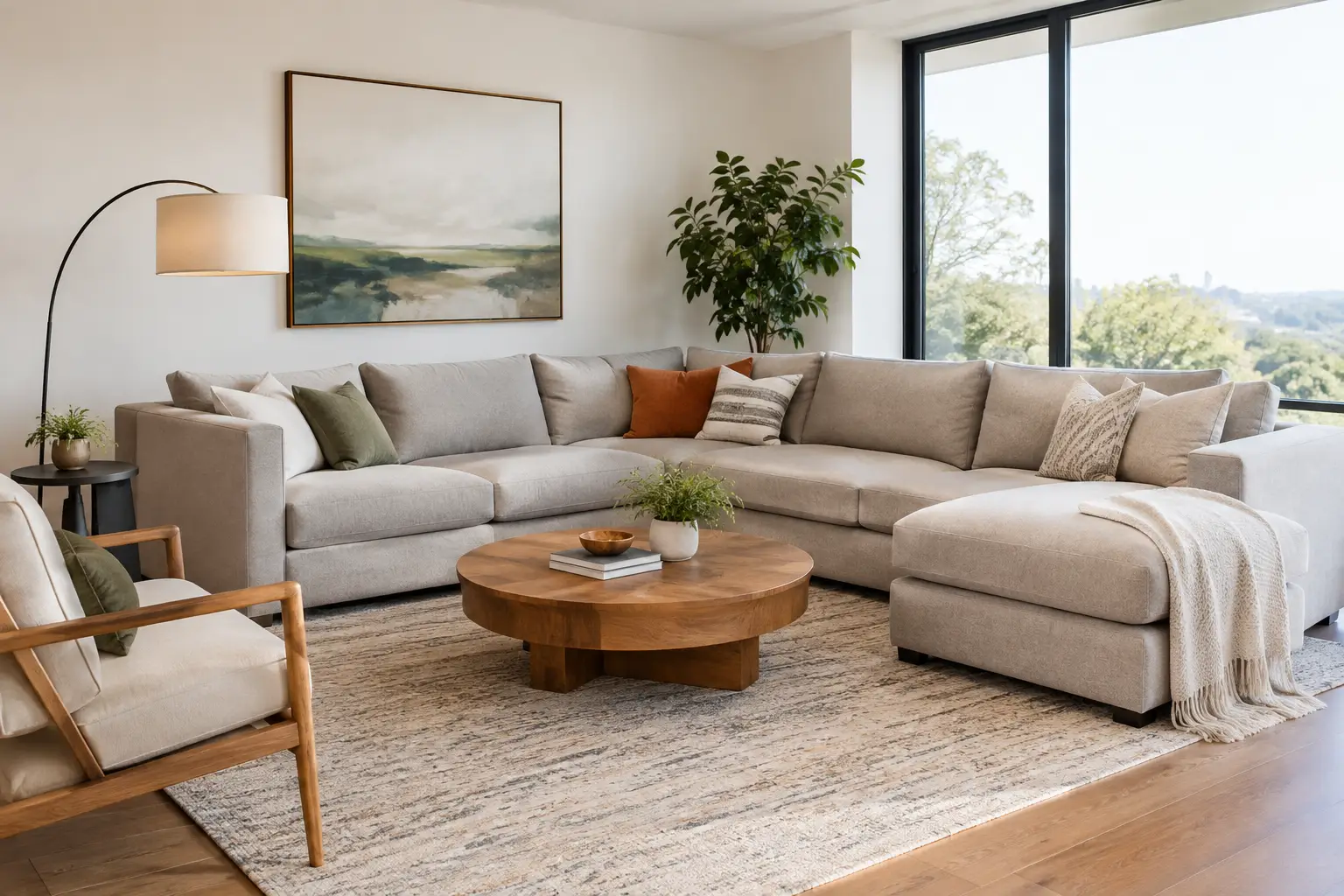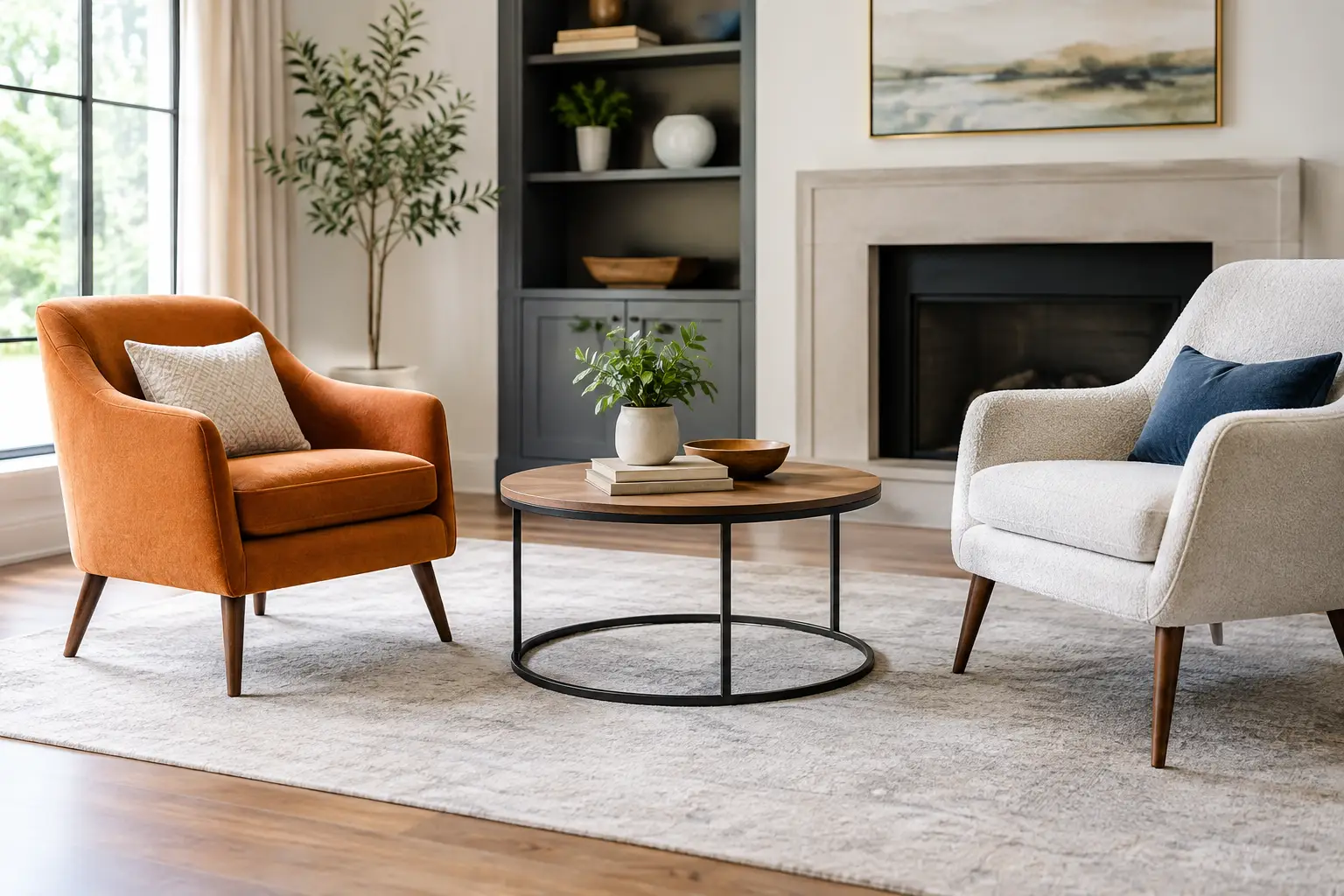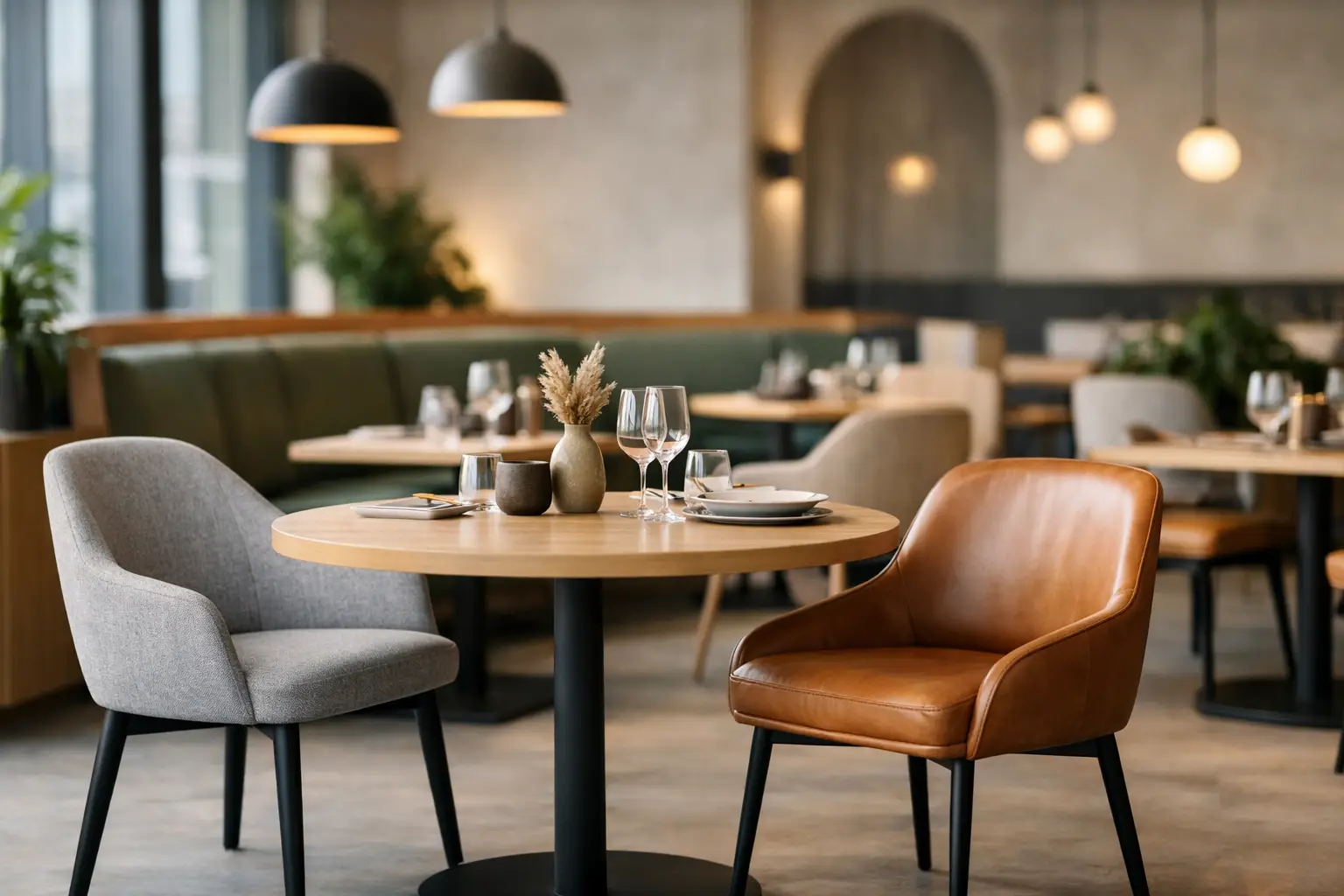
A beautifully designed dining room can lose its impact the moment a chair feels unsteady, a tabletop shows every mark, or guests have nowhere comfortable to settle. Restaurant furniture for modern interiors must work harder than it does in a private home: it needs to create a distinct atmosphere, support efficient service, and withstand daily use without looking overly commercial.
For cafés, restaurants, condominium amenities, and hospitality projects across the GTA, the strongest schemes begin with a clear point of view. Modern does not mean making every surface black, every chair identical, or every room minimal to the point of coldness. It means selecting pieces with considered proportions, honest materials, and enough comfort to encourage guests to stay for another course.
Start With the Experience, Not the Chair
Before selecting tables or seating, define how the room should feel at its busiest hour. A quick-service restaurant has different needs from a wine bar, neighbourhood bistro, hotel lounge, or polished private dining space. The intended pace of the room should influence everything from seat depth to table spacing.
A lively all-day café may benefit from lighter chairs, communal tables, and flexible layouts that can adapt between morning coffee traffic and evening service. A destination dining room may call for more generous upholstered seating, sculptural tables, and acoustic materials that make conversation feel private even when the room is full.
This is where a residentially informed design approach is particularly valuable. The most memorable restaurants often feel composed rather than themed. They use the warmth, texture, and visual balance expected in a refined home, while choosing contract-appropriate materials and construction for public use.
Restaurant Furniture for Modern Interiors Needs Scale
Scale is one of the least glamorous decisions and one of the most consequential. An oversized banquette can make a dining room feel luxurious but reduce circulation. Small tables may maximize covers, yet leave guests without enough room for shared plates, glassware, and service. A chair that appears elegant from a distance can feel cramped after an hour.
Plan from the service path outward. Staff need a clear route between the kitchen, tables, bar, and point of sale. Guests need enough room to pull out chairs without interrupting neighbouring tables. Accessibility requirements should be addressed at the layout stage, not treated as an afterthought once furniture has arrived.
For most modern settings, varied seating creates a more natural rhythm than rows of matching tables. Combine two-person tables with a few larger configurations, a banquette edge, and perhaps a communal table if it suits the concept. This variation makes the room more useful for solo diners, couples, families, and groups without making it appear fragmented.
The right dimensions feel generous, not wasteful
A compact footprint does not require undersized furniture. In smaller urban locations, consider visually light pieces with open bases, slim profiles, and elevated legs. They allow the floor plane to remain visible, which makes the room feel more spacious. Where comfort is a priority, a tailored banquette can provide efficient seating along a wall while introducing softness and sound absorption.
Tables deserve equal attention. Round tables encourage conversation and can soften a rectilinear room, while square and rectangular designs are easier to combine for larger parties. Pedestal bases often offer better legroom than four-legged tables, especially where seating arrangements change throughout the day.
Choose Materials for the Real Conditions of Service
Material selection is where visual refinement meets operational reality. Natural wood, stone, metal, leather, and textured upholstery each bring character, but they age differently under restaurant conditions. The right choice depends on the concept, cleaning routine, lighting, traffic level, and food and beverage programme.
Solid wood and wood veneer can add warmth to a contemporary interior, particularly when paired with soft neutral upholstery or brushed metal details. They need appropriate protective finishes and a practical maintenance plan. A pale oak tabletop may be ideal for a calm daytime space, but a darker or more forgiving finish can be the smarter choice for an energetic restaurant with frequent turnover.
Stone and ceramic surfaces offer a more architectural look and can perform well when properly specified. They are not automatically carefree, however. Edges, joins, weight, and the base supporting the top all need consideration. A beautiful stone table that is difficult to move or prone to chipping at exposed corners can create avoidable issues over time.
Upholstery brings comfort and richness, especially in booths, lounge seating, and longer-stay dining areas. Performance fabrics and commercial-grade leather alternatives are often sensible for high-contact zones. They should still feel inviting. A material can be highly durable yet look overly synthetic under warm lighting, so reviewing samples in the actual space is worthwhile.
Do not overlook the details guests touch
The tactile moments shape a guest’s impression more than a distant mood board does. The edge of a table, the hand feel of an armrest, the stability of a chair, and the ease of sliding into a banquette all matter. Premium furniture is not simply about a recognizable silhouette. It is about construction, finishing, comfort, and how those qualities hold up after repeated use.
Create Contrast Without Losing Cohesion
Modern restaurant interiors are often strongest when they balance clean lines with warmth. Too much matching furniture can make a room feel staged. Too many statement pieces can make it tiring. The goal is contrast with a unifying thread.
That thread may be a consistent timber tone, a repeated metal finish, a restrained palette, or a shared curve that appears in chairs, mirrors, and lighting. A dining room might pair Scandinavian-inspired timber chairs with deep upholstered banquettes, then introduce one sculptural table design in a private dining area. The variation feels intentional because the materials and proportions relate to one another.
Colour should support the room’s mood and practical needs. Warm neutrals, tobacco, olive, charcoal, and softened mineral tones tend to age well and complement food presentation. Brighter colours can be effective in smaller doses, such as on select bar stools or occasional chairs. Consider how finishes change from daylight to evening. A fabric that reads quiet grey in the afternoon may take on a cool blue cast beneath certain lighting.
Build Comfort Into Every Seating Zone
Restaurants sometimes sacrifice comfort in pursuit of a sharper visual profile. There is a trade-off: a low-back dining chair can preserve sightlines and look beautifully minimal, but it may not suit a concept built around lingering meals. A deep lounge chair is inviting, but it can be awkward for eating unless paired with the right table height.
Use each zone according to its intended dwell time. Bar stools can be more compact when guests are expected to move through quickly. Dining chairs need dependable back support and an appropriate seat height. Banquettes should provide enough cushioning to be comfortable without making it difficult to stand. In lounge areas, the relationship between seat height and table height deserves careful testing.
Whenever possible, sit in the furniture rather than judging from photographs alone. This is especially useful for hospitality buyers comparing fabrics, timber stains, seat densities, and frame details. A showroom visit allows a design team to assess these elements together and make decisions with more confidence. At Levida Furniture in Markham, this hands-on process can help hospitality professionals and design clients explore contemporary European-inspired pieces alongside materials and finish options.
Invest Where Wear Is Most Visible
Not every piece needs the same level of investment. Allocate the strongest budget to dining chairs, table bases, bar stools, banquettes, and other items that receive constant use. These are the pieces guests touch most often and staff move, clean, and reset repeatedly.
Accent furniture can carry more visual expression, particularly in entry areas, waiting zones, or private rooms. A distinctive console, mirror, occasional chair, or wall feature can give a restaurant a memorable identity without forcing every table and chair to perform as a statement piece.
It is also wise to order a small number of reserve chairs or confirm future availability early. Commercial interiors evolve. A replacement plan matters when a chair is discontinued, a fabric changes, or a new seating section is added later.
A restaurant should never feel like a showroom, but its furnishings should communicate care before a menu is opened. When proportion, material quality, comfort, and service needs are considered together, modern furniture becomes part of the hospitality itself: quietly inviting guests to return.