A dining table can look substantial in a photograph and still be the wrong material for the way you live. The decision between solid wood versus veneer is not simply about choosing the more luxurious option. It is about scale, finish, longevity, budget, and how a piece will perform through Canadian winters, busy dinners, condo moves, and everyday use.
For a contemporary home, both materials can be excellent. The better choice depends on the furniture category, the quality of its construction, and the look you want to preserve over time.
What solid wood and veneer actually mean
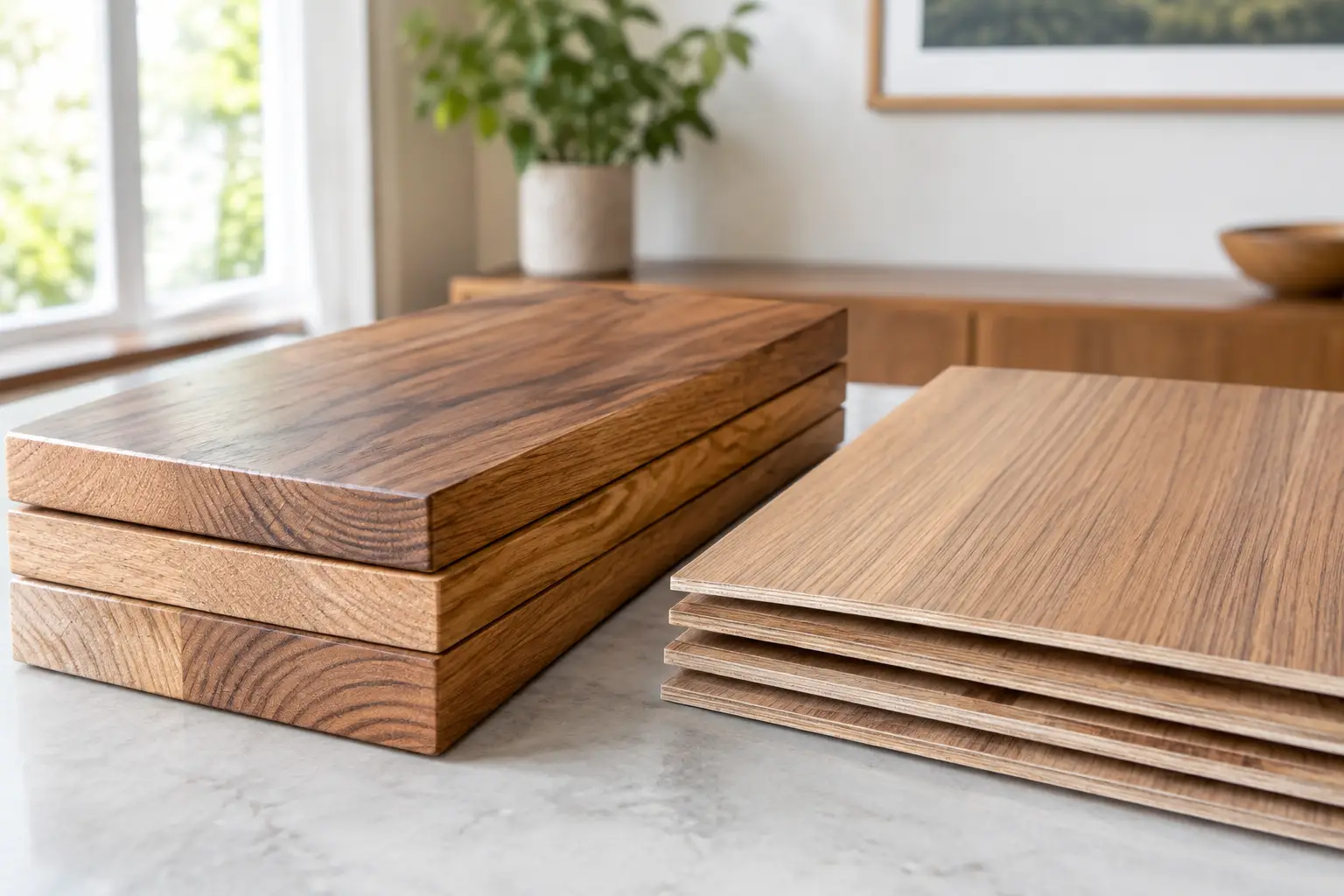
Solid wood furniture is made from lumber cut directly from a tree, such as oak, walnut, ash, or maple. A solid wood tabletop, for example, is built from boards joined together, with the grain and material running through the full thickness of the surface. It has natural variation, including small knots, mineral streaks, and tonal shifts that make each piece distinct.
Wood veneer is a thin slice of real hardwood applied to a stable core. In premium furniture, that core is often engineered wood, MDF, or plywood selected for strength and consistency. Veneer is not printed wood grain, plastic laminate, or an imitation finish. It is real wood, carefully cut and arranged to create an uninterrupted, often highly refined surface.
That distinction matters. A well-made European veneer table can be more sophisticated in appearance and more stable in construction than a poorly made solid wood alternative. Material labels alone do not tell the full story.
Solid wood versus veneer: the visual difference
Solid wood has a natural depth that feels especially compelling on dining tables, coffee tables, sideboards, and bed frames. Its grain variation tends to be organic and relaxed, giving a room warmth without requiring additional decoration. Over years of use, solid wood can also develop a gentle patina that many homeowners appreciate.
Veneer offers a different kind of beauty: precision. Because veneer sheets can be selected and matched in sequence, a large surface can display a continuous grain pattern across doors, panels, or a long tabletop. This makes it particularly well suited to streamlined contemporary interiors, where clean geometry and consistent finishes are central to the design.
Consider the atmosphere you want to create. Solid oak may suit a family dining space that benefits from texture and an inviting, grounded character. A book-matched walnut veneer credenza may bring a more tailored, architectural finish to a condominium living room.
Stability matters in Canadian homes
Wood responds to changes in humidity. During a dry Ontario winter, solid wood can contract; in more humid months, it can expand. Quality solid wood furniture is designed to accommodate this movement, but it still needs sensible care. Avoid placing it directly beside a heat vent, radiator, or consistently sunny window, and use a humidifier when indoor air becomes exceptionally dry.
Veneer is generally more dimensionally stable because its core is engineered to resist expansion and contraction. This is a meaningful advantage for wide tabletops, expansive storage units, and large wardrobe doors. It helps surfaces remain flat and joints stay visually consistent through seasonal shifts.
This does not make veneer maintenance-free. Moisture can still damage an exposed edge or poorly sealed seam, and excessive heat can affect the finish. Yet for homes with fluctuating humidity or large-format furniture, a quality veneered construction is often a practical, considered solution.
Durability is about construction, not just thickness
Solid wood has a deserved reputation for longevity. It can often be refinished if its surface becomes deeply scratched, stained, or faded. A solid wood table may be sanded and restored several times, which makes it appealing for heirloom-minded buyers and active family homes.
However, solid wood is not invincible. Softer species can dent, dark finishes can show marks, and a thick wood top can still warp if it is poorly built or exposed to unsuitable conditions. The finish, joinery, hardware, and supporting structure deserve as much attention as the wood itself.
Veneer cannot usually be sanded as aggressively because the real wood layer is thin. Minor marks may be professionally touched up, but deep scratches require more caution. In return, veneer allows manufacturers to create broad, stable panels with less risk of seasonal movement. When paired with a durable lacquer or oil finish and careful edge detailing, it can serve a home beautifully for many years.
Where each material works best
There are no fixed rules, but certain applications make the trade-offs clearer. Solid wood is a natural fit for a dining table that will be used daily, a bench that benefits from tactile warmth, or a coffee table expected to gain character with use. It also works well when you want a substantial piece with visible craftsmanship and the option of future refinishing.
Veneer is often an excellent choice for a statement sideboard, a large entertainment unit, a sleek bedroom collection, or a table with a particularly expressive grain pattern. It can keep visually light furniture stable and crisp, especially in smaller spaces where every surface is on display. For contemporary condos, its ability to deliver a refined wood finish without excessive visual or physical weight is valuable.
Mixed-material construction can be equally compelling. A dining table may have a veneered top for stability with solid wood edges or legs for a more substantial feel. A cabinet may use veneered exterior panels with solid wood drawer fronts. Rather than treating this as a compromise, view it as a design decision that places each material where it performs best.
How to judge quality in the showroom
When comparing furniture, ask what is beneath the surface and how the piece has been constructed. A knowledgeable consultant should be able to explain the wood species, veneer type, core material, finish, edge treatment, and care requirements.
Look closely at the grain. On a veneered piece, a deliberate grain match is a sign of thoughtful design, not a flaw. Check that the veneer meets edges cleanly and that doors, drawers, and panels align evenly. Open drawers to assess the hardware and interior finish, and gently test a table for movement or instability.
For solid wood, examine the joinery and the way boards meet. Natural colour variation is expected, but significant gaps, rough undersides, or an overly uneven finish are not hallmarks of fine construction. Lift a chair or pull out a drawer if possible. Furniture should feel balanced, considered, and comfortable to use, not merely attractive from one angle.
Cost, value, and the long view
Solid wood often carries a higher material cost, particularly with walnut, oak, and other premium species. Its repair potential can support that investment over a long ownership period. Still, higher price does not automatically mean better value if the piece is too large for your space, difficult to maintain, or stylistically disconnected from the rest of your home.
Veneer can provide exceptional value when it is used honestly and well. It makes rare or beautifully figured woods more efficient to use while delivering a sophisticated finish across larger surfaces. That efficiency can allow more of the budget to go toward better mechanisms, upholstery, detailing, or customization.
The most valuable furniture is furniture you will continue to enjoy. A well-proportioned veneered sideboard that makes a compact dining room feel complete may be a better investment than a solid wood piece that overwhelms the room.
Caring for wood furniture with confidence
Both materials benefit from simple, consistent care. Dust with a soft dry or lightly damp cloth, wipe spills promptly, and use coasters, placemats, and trivets for drinks and hot serving dishes. Avoid silicone polishes and harsh household cleaners, which can cloud or damage the protective finish.
For solid wood, maintain a stable indoor environment and follow the manufacturer’s guidance before applying oils or conditioners. For veneer, pay particular attention to seams and edges: do not allow standing water to sit on the surface. In either case, felt pads beneath accessories and occasional repositioning of decorative objects will help finishes age evenly.
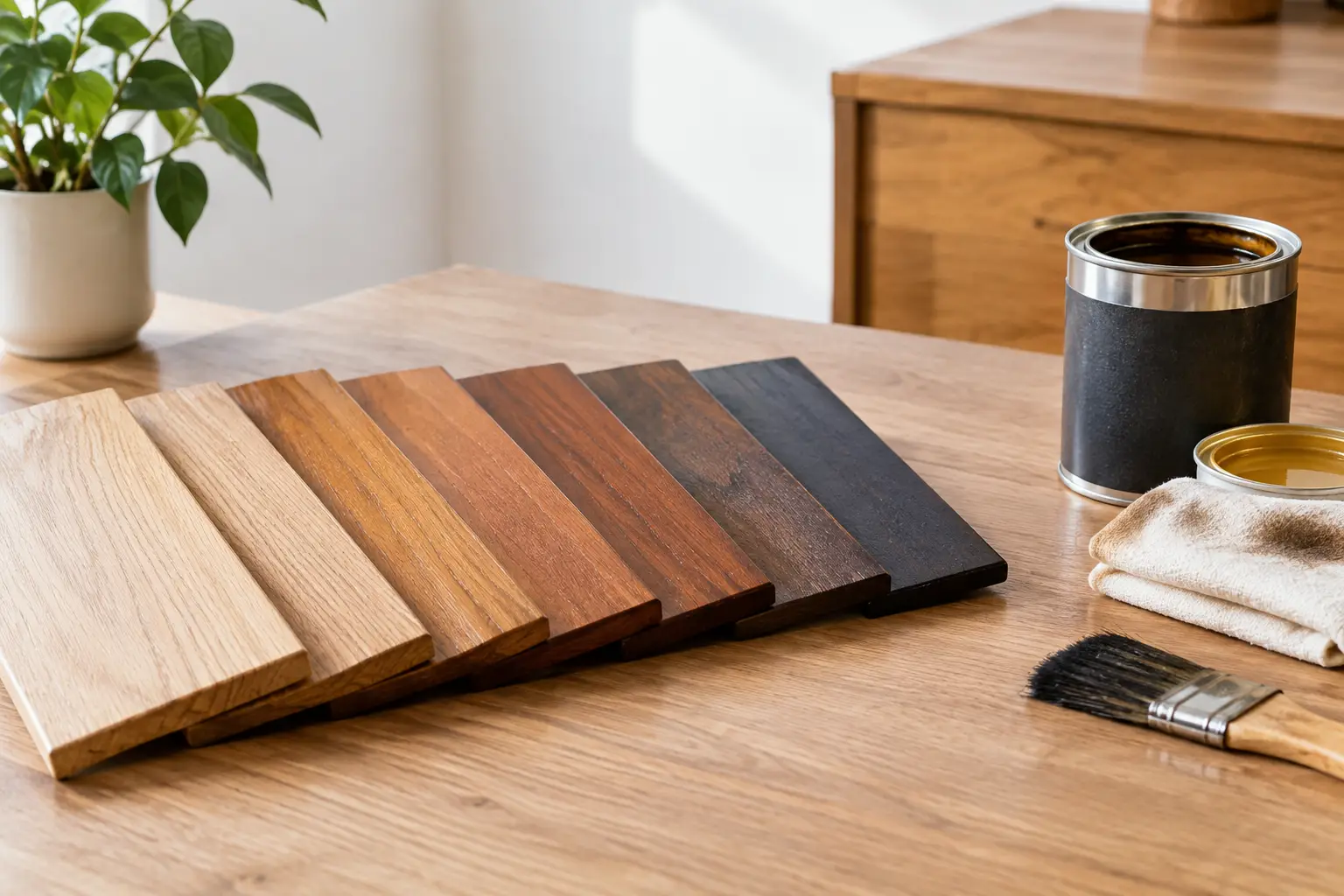
If you are choosing between samples, view them in the light of your own home whenever possible. Oak can appear cooler beside grey flooring, while walnut may read richer against warm white walls. At Levida Furniture, seeing finishes, proportions, and comfort in person can turn a material decision into one that feels right for the whole room.
Choose the piece that suits your routines as much as your aesthetic. The best wood furniture should invite daily living, then continue to look considered long after the room is finished.