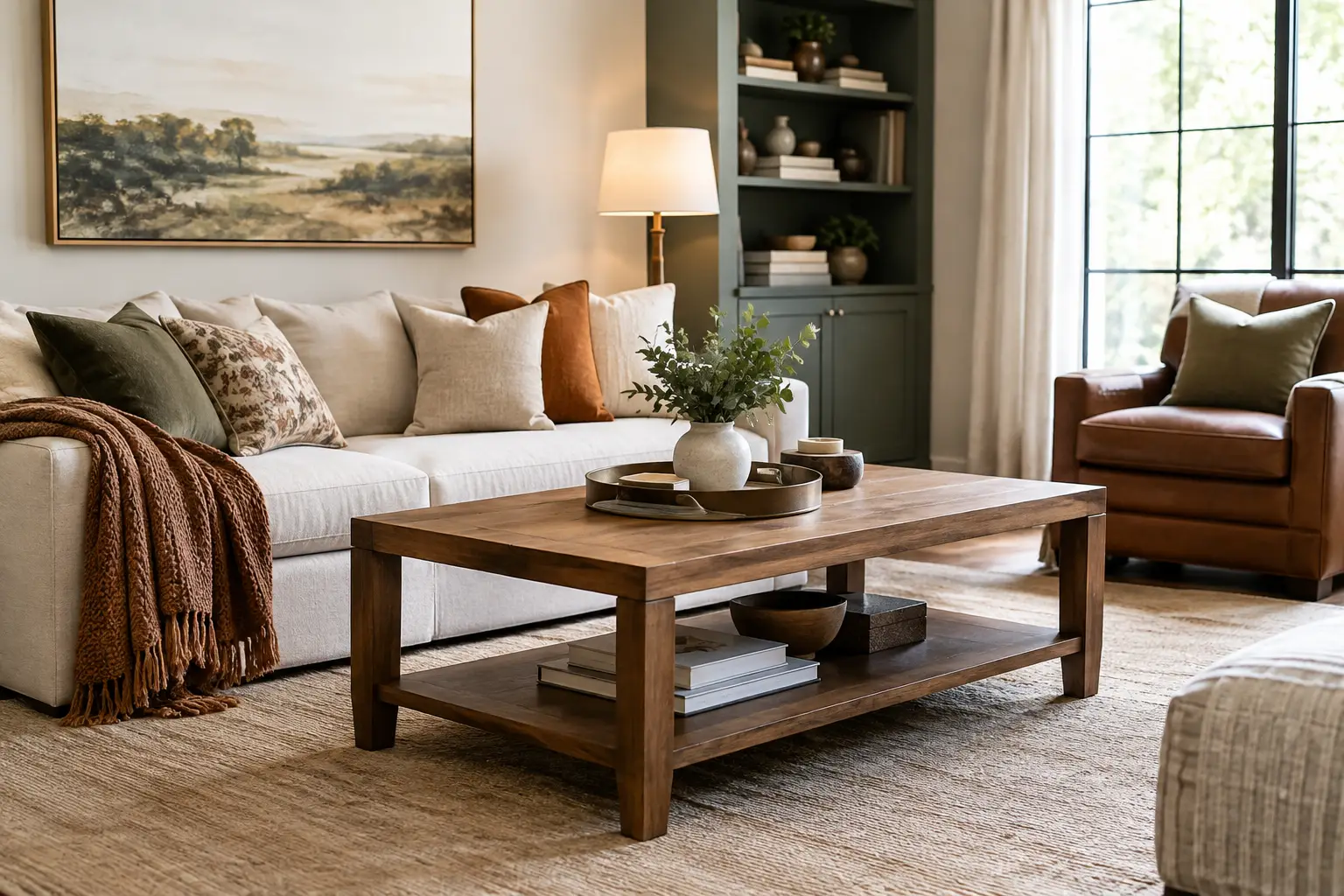
A beautifully made European sofa can still feel wrong if it overwhelms the room, a dining table can look refined but seat too few guests, and a pale fabric can be impractical for a busy household. The best European furniture buying guide begins with this reality: exceptional design is only successful when it suits the way you live.
European-made furniture is valued for its considered proportions, material quality, precise detailing, and ability to make a room feel calm rather than crowded. For Canadian homes and GTA condos, however, choosing well also means accounting for elevator access, compact footprints, winter layers, family routines, and the need for furniture that remains comfortable long after the first impression.
Start with the room, not the individual piece
It is tempting to begin with the sculptural chair or low-profile sectional that caught your eye. A more reliable approach is to define how the room needs to work before choosing its focal point. Consider traffic paths, daylight, storage needs, and how many people use the space on an ordinary weeknight as well as when friends visit.
Measure the room, then measure what must move through it. In condos, this includes the elevator, corridor turns, entry door, and interior hallways. A modular sofa or dining table with a removable top may solve an access issue without compromising the finished look. In a larger home, scale can be just as challenging: furniture that is too small often makes an open-plan living area feel fragmented.
Leave enough visual and physical breathing room around major pieces. A sofa should not interrupt the natural route from the kitchen to the balcony, and dining chairs need space to slide back comfortably. Exact clearances depend on the plan, but mapping the room with painter’s tape before ordering is one of the simplest ways to avoid a costly surprise.
Let one decision guide the rest
Choose a principal piece that establishes the room’s character, such as a sofa, dining table, or bed. Its silhouette, finish, and scale can guide the choices that follow. This does not mean every item must match. In fact, the most compelling contemporary interiors often layer warm wood with soft upholstery, stone or ceramic surfaces, and metal accents.
The goal is cohesion, not a showroom set. Repeating one or two elements – perhaps walnut tones, rounded edges, or black metal details – helps pieces from different categories feel intentionally connected.
Understand what European craftsmanship changes
European design is not one fixed look. Italian collections may favour expressive profiles, lacquered finishes, leather, and architectural forms. Scandinavian-influenced pieces tend toward pale woods, tactile textiles, gentle curves, and visual restraint. German and other Central European manufacturers are often recognized for engineered functionality, precise mechanisms, and disciplined construction.
What these traditions often share is attention to proportion and finish. Look beyond the overall style and examine the details you will live with: the alignment of drawers, the feel of a table edge, the tailoring on a cushion, the action of an extension mechanism, and the consistency of a wood veneer or lacquer.
Material specifications matter. Solid wood brings warmth and character, though it responds naturally to humidity changes and requires sensible care. Veneer, when expertly applied over a stable core, can offer beautiful grain continuity and greater stability on larger surfaces. Sintered stone and ceramic table tops are highly resistant to heat, scratches, and staining, but can be heavier and may feel cooler than natural wood. Marble is distinctive and timeless, yet more porous and best chosen by households comfortable with a living finish rather than flawless permanence.
For upholstery, ask about the composition, abrasion rating, cleanability, and expected colour variation. Performance fabrics can be an excellent choice for families, pets, or frequent entertaining, but a fabric should still feel inviting against the skin. Leather gains character over time and is easy to wipe down, while premium woven textiles often offer greater softness and tonal depth. Neither is universally better; the right choice depends on routine, light exposure, and the atmosphere you want to create.
A European furniture buying guide to comfort and proportion
A low, deep sofa can create a relaxed contemporary mood, but it may not suit everyone. Consider seat height, depth, back support, and cushion construction, especially if the sofa will be used daily. People who prefer upright conversation or who have difficulty standing from a very low seat may be better served by a more supportive profile with a shallower seat.
Sit on dining chairs rather than judging them only by their shape. Arm height, lumbar support, upholstery, and the relationship between chair and table all affect whether a long dinner feels effortless. If you are pairing pieces from different collections, confirm that chair arms clear the table apron and that seat heights work together.
Beds deserve the same scrutiny. An upholstered headboard can add softness and acoustic comfort, while a wood or lacquered design can feel more tailored and space-efficient. For a condo bedroom, choose bedside tables that open without colliding with the bed or closet door, and consider integrated storage when a separate dresser would crowd the plan.
Choose customization with a clear purpose
Customization is most valuable when it solves a specific design or functional question. A sectional can be configured to preserve a view, accommodate a chaise on the correct side, or create seating for a family without consuming the whole room. A table may be specified in a length that fits everyday life and extends for celebrations. Fabric, leg finish, wood tone, and counterbalance options can help a piece belong naturally in the home.
Too many choices can make a decision harder. Start with the fixed elements in your space: flooring, kitchen cabinetry, stone, window light, and architectural finishes. Then choose a direction. Warm oak and textured ivory upholstery create a different mood from smoked oak, charcoal wool, and blackened metal, even when the furniture silhouettes are similar.
Request physical material samples whenever possible. A fabric that appears neutral online may show a green, pink, or cool grey undertone beside your flooring. View wood and lacquer finishes in both daylight and evening lighting. This small step helps create an interior that feels considered rather than merely coordinated.
Balance investment pieces with flexible layers
Not every item requires the same level of investment. Put lasting quality into pieces that receive daily use and establish the architecture of the room: seating, dining tables, beds, storage, and well-made occasional furniture. These pieces should have the construction, comfort, and visual longevity to justify their place over years of use.
Use lighting, rugs, cushions, art, and smaller accent pieces to introduce seasonal colour or a more personal note. This balance allows a home to evolve without replacing its foundation. It is particularly effective for renters and condo owners who want a polished interior while anticipating a future move.
Storage should be part of the plan, not an afterthought. Sideboards, media units, display cabinets, and occasional tables with concealed compartments can keep modern spaces composed. In smaller rooms, furniture on legs may maintain a sense of openness, while a carefully chosen wall unit can provide more function than several scattered storage pieces.
See the furniture before making the final decision
Photography communicates style, but it cannot fully convey comfort, texture, scale, or craftsmanship. Visiting a showroom allows you to compare leather against fabric, test a reclining or extension mechanism, and see how finishes react to light. It also gives you an opportunity to discuss floor plans, customization, lead times, and delivery access with a consultant.
At Levida Furniture’s Markham showroom, clients can experience curated European collections in room settings and receive guidance that connects a design preference to the practical demands of a Canadian home. Bringing measurements, photos, and a few samples of existing finishes makes that conversation far more productive.
The right piece should feel refined on arrival, but it should also earn its place through quiet everyday use: the chair that remains comfortable through dinner, the table that welcomes one more guest, and the sofa that makes an ordinary evening at home feel considered.