A guest may not remember the exact shade of a restaurant wall or the name of a lobby artwork, but they will remember how a space felt. The chair that encouraged them to linger over dinner, the lounge seating that made a hotel arrival feel relaxed, or the café table that gave a quick meeting a sense of occasion all shape the experience. That is the real work of hospitality furniture: it sets the mood while performing reliably under constant use.
For restaurants, cafés, boutique hotels, lounges, and client-facing commercial spaces, furniture is not simply a finishing layer. It influences circulation, comfort, acoustics, brand perception, and how long people choose to stay. The strongest interiors balance visual distinction with practical details that hold up through busy service, frequent cleaning, and changing guest needs.
Start With the Experience, Not the Catalogue
A beautiful chair can still be the wrong chair if it disrupts the way a room operates. Before choosing silhouettes, fabrics, or finishes, define what guests should feel when they enter and how they will move through the space.
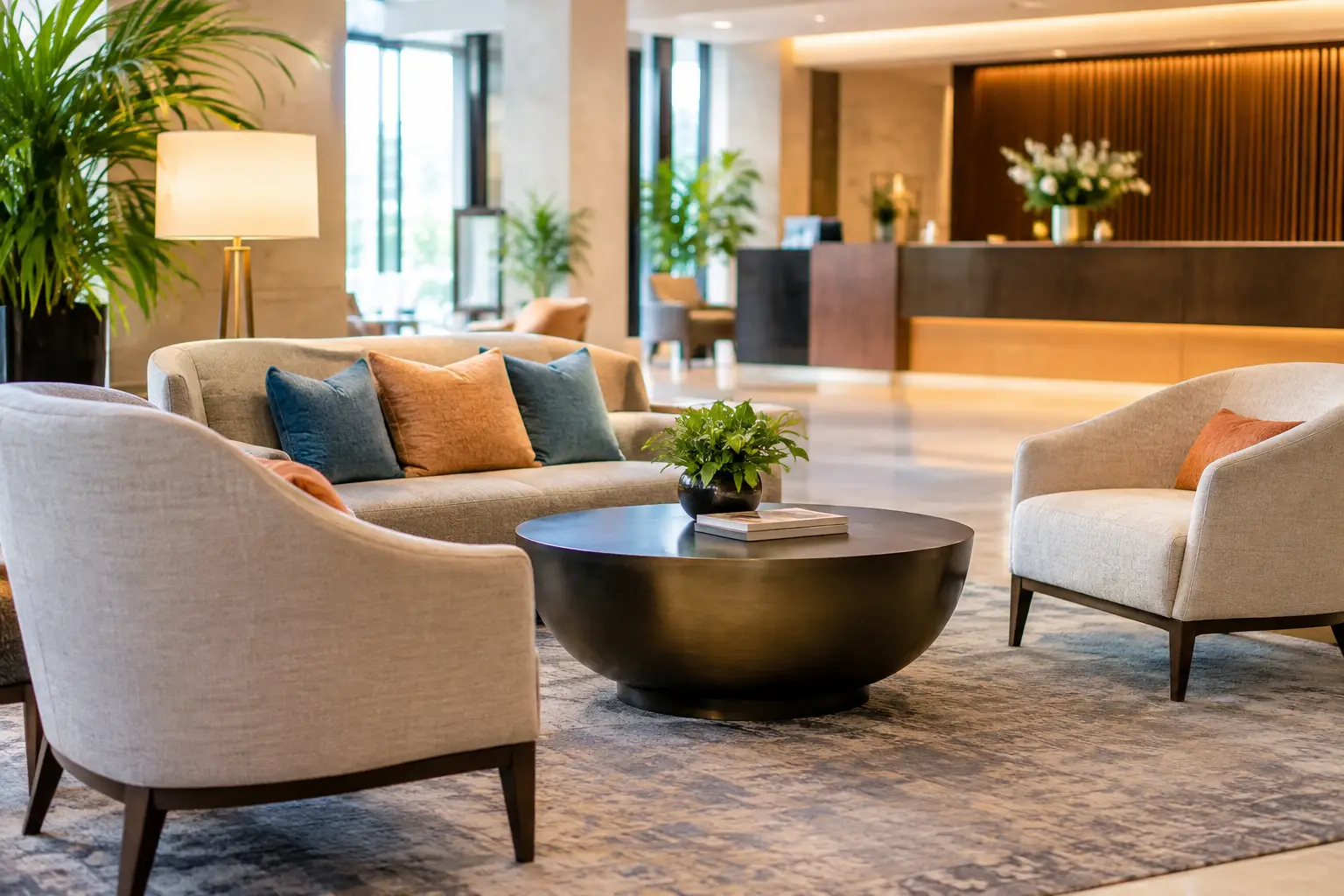
A neighbourhood café may need compact, approachable seating that accommodates solo visitors with laptops alongside small groups. A fine-dining room may call for more generous upholstered dining chairs, softer lighting, and tables spaced to support privacy. In a boutique hotel, the lobby has to work on several levels at once: arrival area, waiting room, informal workplace, social setting, and visual introduction to the property.
This is why one furniture style rarely belongs everywhere. A cohesive hospitality setting is created through a common design language, not repetition. A warm oak table, a tailored lounge chair, and a sculptural console can feel connected through proportion, material tone, or restrained use of colour, even when each piece serves a different purpose.
Plan circulation before committing to scale
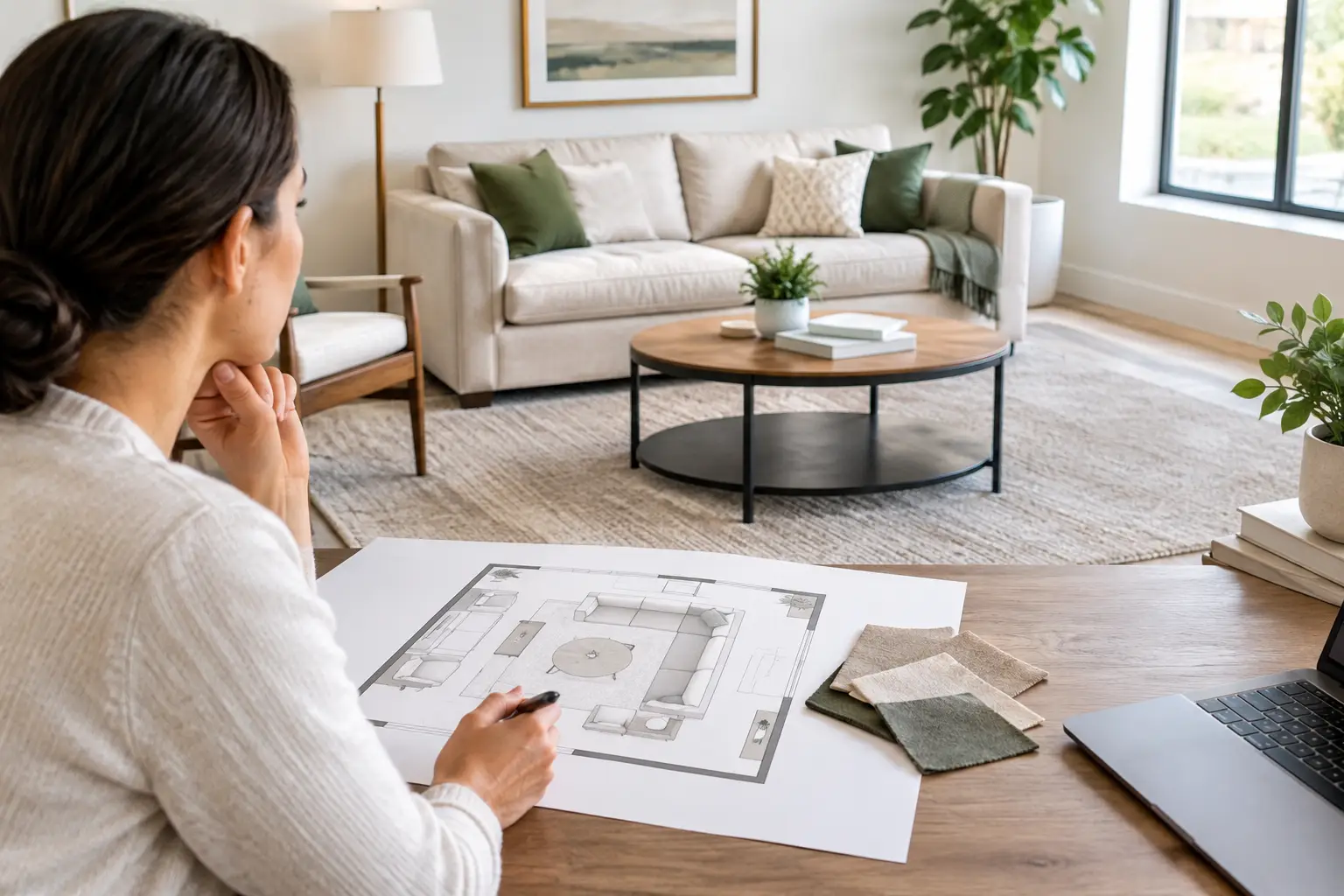
Hospitality spaces need a clear path for both guests and staff. Seating that looks appropriately spaced in a floor plan can become restrictive once bags, winter coats, strollers, service trays, or mobility aids are part of the picture.
Leave room for chairs to be pulled back comfortably and for staff to pass without interrupting guests. In smaller rooms, consider banquettes against a wall, pedestal-base tables that free up legroom, and stackable or movable pieces for private events. For a compact urban setting, visual lightness matters too. Raised-leg seating and tables with slimmer profiles can make a room feel more open without reducing its function.
Hospitality Furniture Needs Commercial-Grade Thinking
Residential-inspired interiors remain popular because they make commercial spaces feel welcoming rather than formal. The challenge is achieving that warmth with materials and construction suited to commercial life.
A pale bouclé lounge chair may be ideal for a low-traffic hotel suite, yet less appropriate beside a busy entrance where wet outerwear and luggage are expected. A glossy tabletop may look striking under showroom lighting but quickly reveal fingerprints and scratches in a café. There is no universal best material. The right choice depends on use, maintenance capacity, location, and the atmosphere you want to protect.
Choose materials for touch, maintenance, and age
Guests experience furniture with their hands as much as their eyes. A timber table introduces natural warmth, while stone, ceramic, and sintered surfaces can bring a more architectural character. Leather and high-performance upholstery add softness and comfort, especially in lounges and extended-dwell settings.
For high-turnover dining, durable upholstered seating in performance textiles or quality leather alternatives can provide a refined look with more practical care requirements. In bar areas or casual cafés, wood, metal, and easy-clean surfaces often make sense, softened by upholstered banquettes or cushions where guests spend more time.
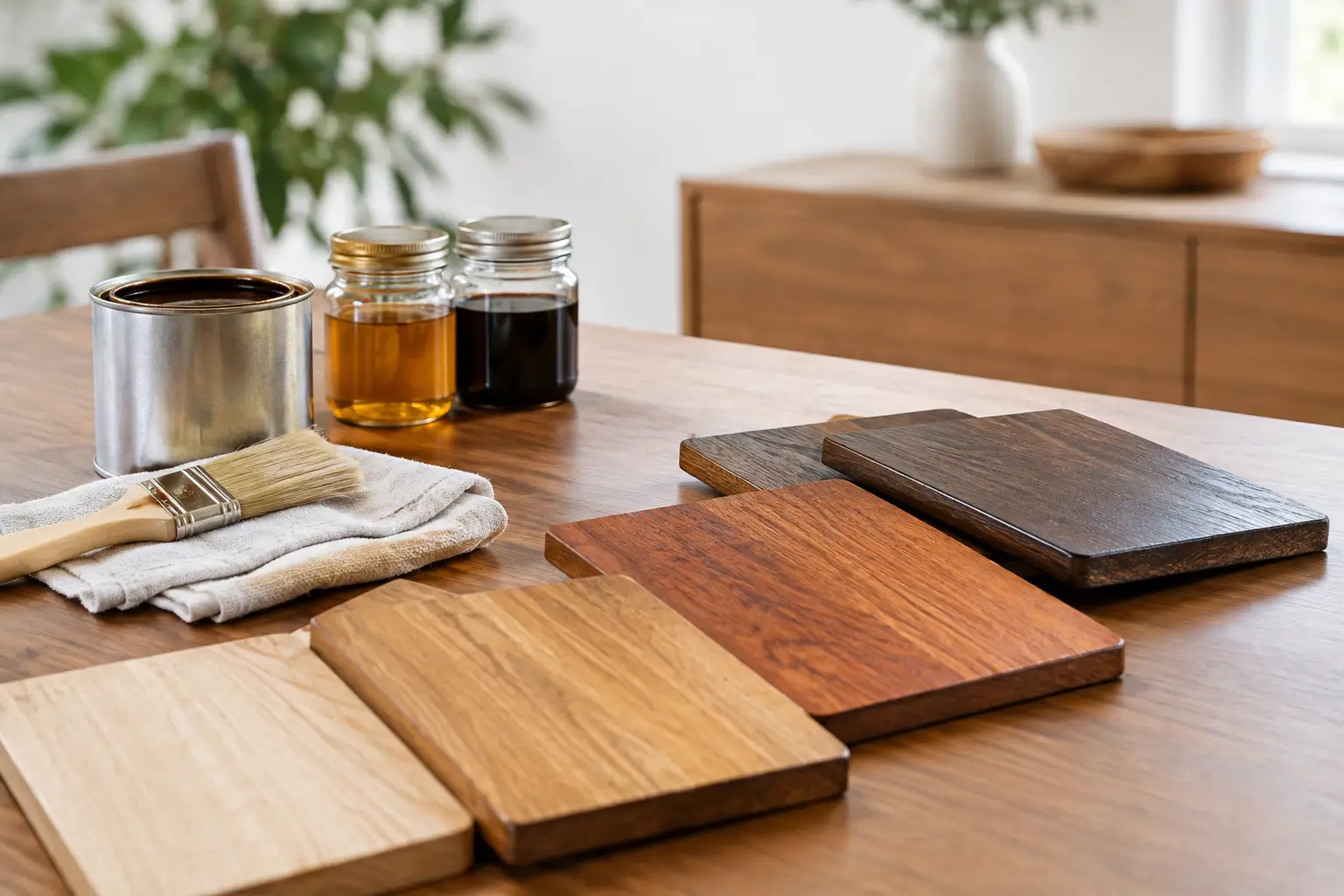
Finishes should also be judged by how they will age. Natural wood can develop character over time, but it requires appropriate protection from spills and heat. Powder-coated metal is resilient, though chips may be more noticeable in a light colour. Darker fabrics can disguise everyday wear, but a carefully selected mid-tone or textured weave may offer the best balance of elegance and forgiveness.
Ask suppliers direct questions about cleaning recommendations, abrasion performance, stain resistance, replacement components, and lead times. A commercial interior cannot afford to have a key seating area out of service for months because one damaged item cannot be matched or replaced.
Comfort Determines Whether Guests Stay
Hospitality comfort is more specific than softness. A deeply relaxed sofa may be perfect for a hotel lounge but unsuitable for a restaurant where guests need to sit upright through a meal. A dining chair with a shaped back and supportive seat can feel comfortable for a two-hour dinner without becoming bulky or difficult to move.
Seat height, back angle, armrests, cushion density, and table clearance all deserve attention. These details are especially important when furniture is selected online or from a small sample. Sitting in the chair, assessing the upholstery, and seeing the proportions in person can prevent expensive compromises later.
For dining, coordinate chair height with the tabletop and allow enough knee clearance beneath the table. For lounge areas, mix seat depths rather than filling the room with one oversized sofa. Some guests want to settle in; others prefer a more upright chair for conversation or work. A varied arrangement feels more natural and serves a wider range of people.
Acoustics are part of comfort
Hard finishes are often visually appealing, particularly in contemporary European-inspired spaces, but too many reflective surfaces can make a room exhausting when it is full. Upholstered chairs, banquettes, area rugs, curtains, and wall treatments help absorb sound while adding texture.
This does not mean every surface should be soft. A thoughtful contrast of timber, stone-look finishes, metal, and upholstery creates depth. The goal is to avoid a room that looks polished but forces guests to raise their voices across the table.
Create a Flexible Layout With Furniture Zones
The most welcoming hospitality interiors give guests a choice. A guest meeting a colleague may want a small table and a supportive chair. A couple may prefer a quiet banquette. A group needs furniture that can be combined without making the room feel improvised.
Rather than treating every square metre as identical seating capacity, create distinct zones. Entrance seating should be durable and easy to navigate. Lounge areas can be more expressive, with occasional tables, sculptural accents, and layered lighting. Dining zones should make service efficient while preserving a sense of intimacy.
Modular seating is particularly useful for venues that host events or have changing day-to-night traffic. It allows a space to adapt, but only when the modules look intentional in multiple arrangements. Likewise, custom dimensions can solve difficult architectural conditions, from narrow condo-style footprints to long banquettes that follow a wall without wasting valuable floor area.
Let the Brand Show Through the Details
Hospitality furniture should support a recognizable identity without turning every piece into a statement. Often, the most memorable rooms are anchored by a few confident gestures: a distinctive dining chair, an elegantly proportioned communal table, a curved banquette, or a refined material palette repeated in small doses.
European design and Scandinavian simplicity can offer a useful framework here. Clean-lined forms, honest materials, and restrained colour create a setting that feels current without becoming overly themed. Add personality through texture, artwork, lighting, and one or two expressive silhouettes rather than relying on novelty furniture that may date quickly.
For Canadian venues, practicality should remain part of the aesthetic decision. Entry furniture needs to handle winter conditions. Upholstery should suit the venue’s cleaning routines. Smaller spaces need pieces with efficient proportions. Luxury is not excess – it is the confidence that every material, dimension, and finish has been selected for a reason.
See the Pieces Together Before You Buy
Hospitality projects involve many decisions that cannot be resolved through a single product image. Fabric can read differently in daylight than it does under warm evening lighting. A table may appear compact until chairs are placed around it. Two finishes that look similar on screen may clash when viewed side by side.
A showroom visit and material review make these choices more tangible. Bring floor plans, photos of the site, finish samples, and a clear sense of your operational needs. For projects requiring custom upholstery, dimensions, or configurations, early conversations are especially valuable because they help align design ambition with budget, timing, and long-term maintenance.
At Levida Furniture, the opportunity to see contemporary European-made pieces in person, compare finishes, and discuss customization can help turn an initial concept into a more resolved environment. The aim is not to fill a room with furniture, but to create a setting guests are comfortable returning to – and staff are proud to work in.