A sofa can set the entire rhythm of a room. It determines where conversation gathers, how easily a family relaxes, and whether a compact condo living room feels composed or crowded. When weighing modular versus fixed seating, the better choice is rarely about what is more fashionable. It is about how your home is used, how often its layout needs to change, and the level of visual definition you want from the space.
Both options can bring exceptional comfort and refined European character to a contemporary Canadian interior. The distinction lies in how they respond to change. Modular seating is designed as a flexible collection of individual sections, while fixed seating is built in one established form, such as a sofa, loveseat, or sectional. Each offers a different kind of luxury: one adapts with you, while the other creates a deliberate, settled focal point.
Modular Versus Fixed Seating at a Glance
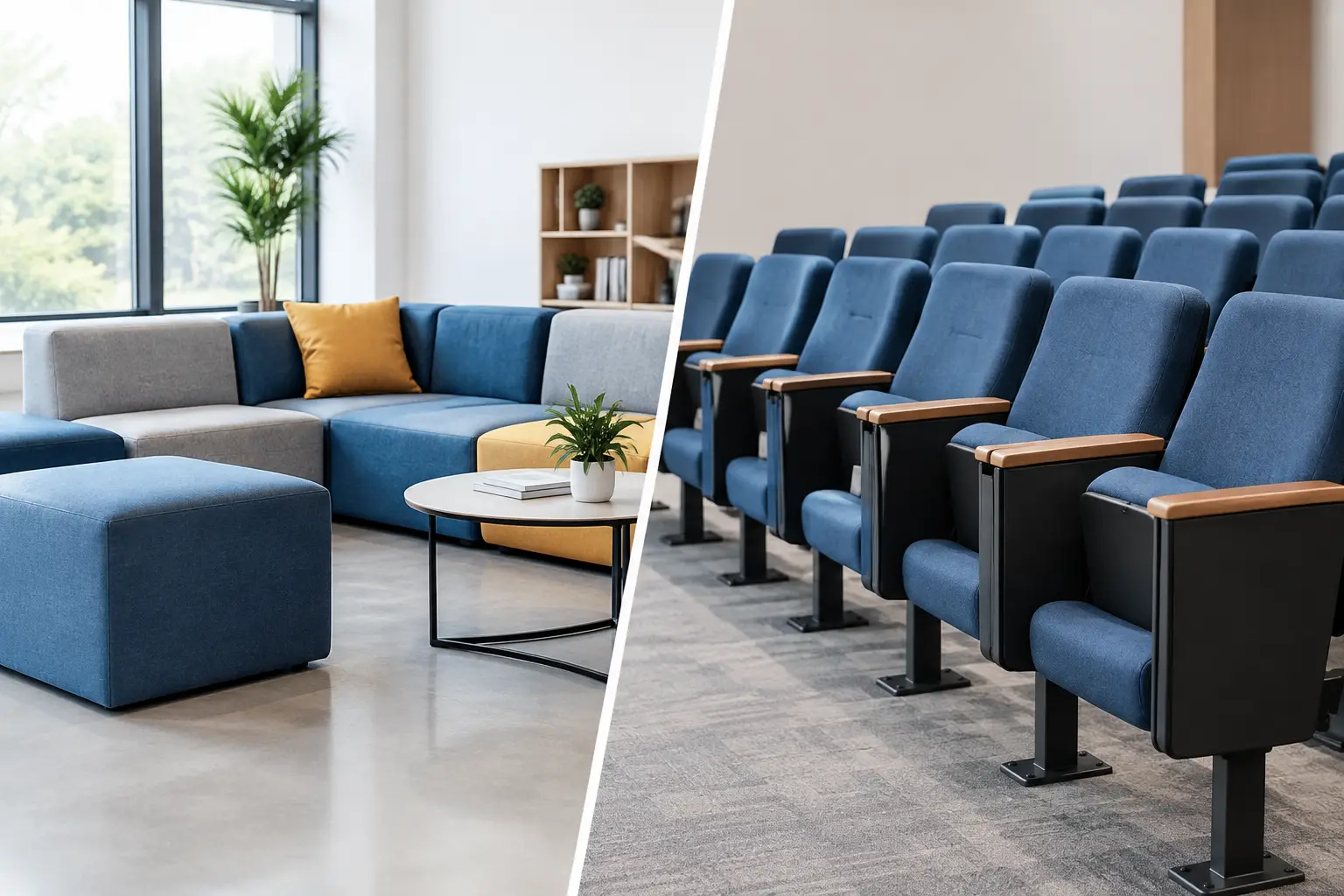
Modular seating is made from separate components, commonly including armless chairs, corner units, chaises, ottomans, and end pieces. These sections connect to create a configuration that suits the room now, with the possibility of reworking it later. A generous L-shape can become a more open arrangement for entertaining, or an ottoman can move from footrest to occasional seating when guests arrive.
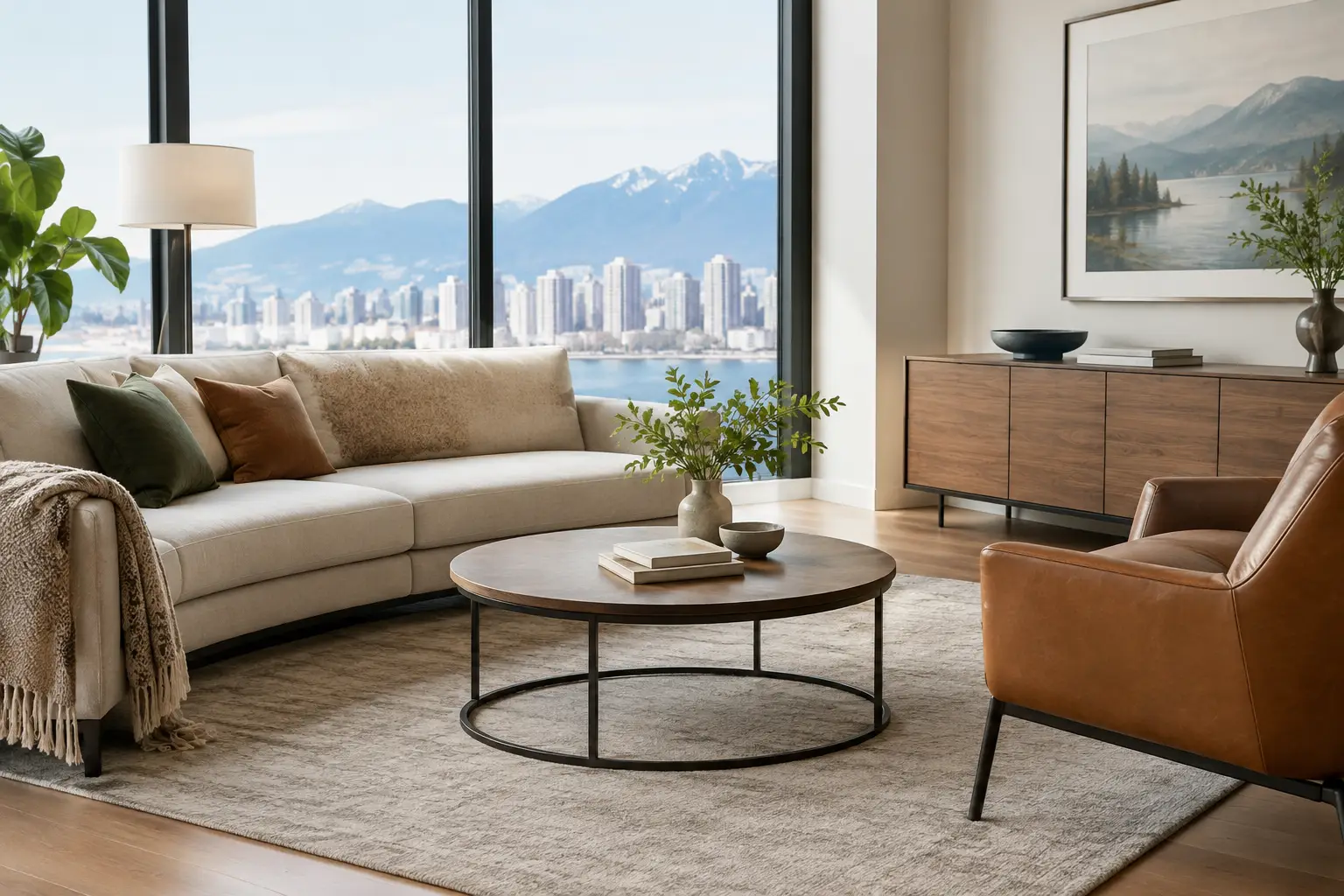
Fixed seating has a predetermined silhouette. That might mean a tailored three-seat sofa with slim arms, a sculptural curved sofa, or a sectional whose chaise and corners remain in their intended positions. It can still be customized in fabric, finish, dimensions, cushion comfort, and sometimes orientation, but its overall composition is designed to stay consistent.
Neither is inherently superior. A modular sofa provides freedom, but more pieces can introduce more visual lines and require careful proportioning. Fixed seating feels resolved from the beginning, but it asks you to be confident in the layout before committing.
When Modular Seating Makes Sense
Modular seating is particularly compelling for households whose needs are still evolving. Perhaps you have moved into a new condominium and expect to change units in a few years. Perhaps your living room serves as a media room during the week, then becomes a gathering place for friends and family on weekends. In these settings, adjustability has real value beyond novelty.
It also works beautifully in larger open-concept homes, where seating needs to define a zone without relying on walls. A low-backed modular arrangement can float within the room, creating a relaxed boundary between living and dining areas while preserving sightlines and natural light. With a thoughtfully selected fabric and restrained, well-proportioned modules, the result can feel architectural rather than casual.
For families, the practical appeal is clear. A movable ottoman can become a soft landing place for children, a coffee-table substitute with a tray, or an extra perch during a busy holiday gathering. If a particular section experiences more use, its individual cushions or upholstery components may also be easier to address than an entire sofa.
The trade-off is that modular furniture needs a plan. Modules that are too deep can dominate a Toronto condo living room, especially when paired with a large coffee table or oversized media unit. Connections should be secure, seat heights should align precisely, and the upholstery must look consistent across pieces. This is where quality construction matters. A modular sofa should feel like one considered composition, not a series of chairs placed side by side.
Best for flexible rooms and changing layouts
Choose modular seating when you value the ability to reconfigure, expect to move, regularly host, or need one living area to handle several roles. It is also a strong choice when you prefer a more informal, lounge-oriented way of living – provided the scale is calibrated to the room.
Why Fixed Seating Still Feels So Considered
Fixed seating offers a clarity that modular designs do not always seek. Its silhouette is intentional from every angle, making it especially suited to rooms where the sofa is meant to read as a single elegant gesture. Think of a tailored Italian-inspired sofa beneath a large artwork, or a curved piece positioned to soften the lines of a contemporary living room.
Because the frame is engineered as one unit, fixed seating can offer a particularly cohesive profile. Continuous back cushions, finely detailed arms, and uninterrupted upholstery allow the design to feel calm and precise. This visual simplicity is valuable in smaller rooms, where too many seams and divisions can make the interior feel busy.
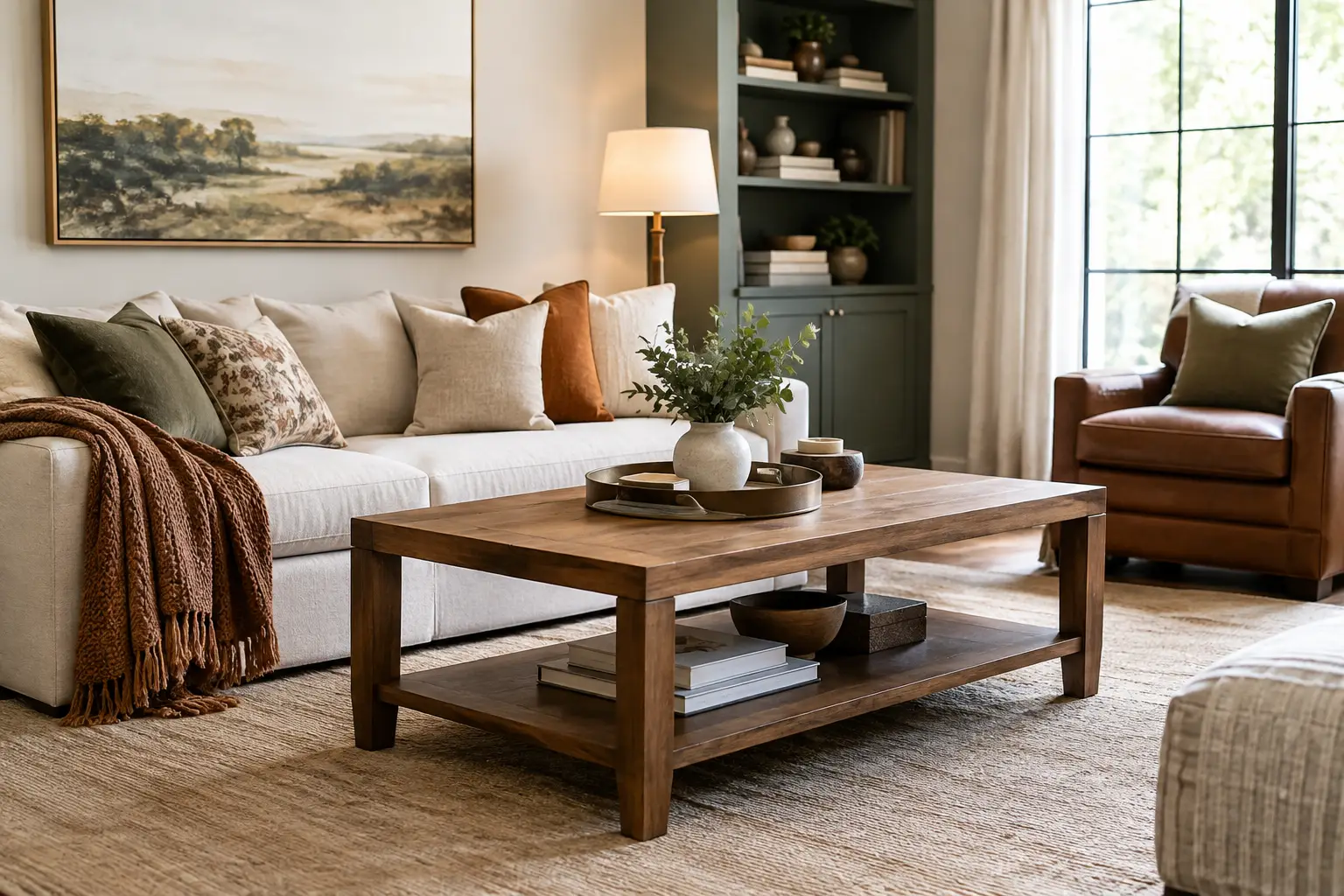
A fixed sofa is often easier to place with confidence. Once you know the wall length, circulation paths, and ideal viewing distance from the television or fireplace, you can choose a piece that gives the room structure. Pair it with two accent chairs, a refined coffee table, and a generous rug, and the seating arrangement gains a sense of permanence without becoming formal.
That permanence is the point for many homeowners. If your room has a dependable function and you have found a layout that works, there is no need to pay for flexibility you will not use. A well-made fixed sofa can offer exceptional daily comfort, cleaner lines, and an enduring presence for years.
Best for defined rooms and sculptural impact
Fixed seating is ideal when the room’s layout is established, when a specific sofa shape is central to the design vision, or when visual lightness is a priority. It is often the more elegant answer for a formal living room, a compact apartment, or an interior built around a carefully balanced furniture plan.
Measure the Room, Not Just the Sofa
The most common mistake in choosing between modular and fixed seating is focusing only on overall width. Depth matters just as much. Deep, low modular sections can be wonderfully comfortable, yet they require enough open area in front of them to avoid restricting circulation. In a condo, a sofa that looks proportionate online may leave too little room between the seating and coffee table.
Start with the routes people take through the room. Consider doors, balcony access, dining chairs, storage units, and the distance needed to walk around a coffee table. Then consider how many people use the seating on an ordinary evening, not just on the rare occasion when everyone visits at once.
For modular designs, map each module individually as well as the complete arrangement. This reveals whether the configuration can shift without creating awkward gaps or blocking a pathway. For fixed sofas, assess the visual weight of arms, legs, and back height. A lighter profile can make a smaller space feel noticeably more open, even when the seat capacity is similar.
Comfort, Fabric, and Construction Change the Decision
Configuration should not overshadow the qualities you experience every day. Whether modular or fixed, assess the seat depth, cushion support, back angle, and arm height in person whenever possible. A lounge-deep sectional may suit relaxed movie nights but be less comfortable for guests who prefer an upright posture. A firmer seat can feel more supportive over time, while softer cushioning creates an immediately inviting, relaxed impression.
Fabric is equally influential. Performance textiles are practical for busy households, but texture should still complement the room. A fine bouclé adds softness and dimension to clean-lined seating; a woven neutral can bring understated Scandinavian warmth; leather introduces structure and develops character with use. If modular sections will be moved frequently, choose an upholstery that maintains its appearance well at connection points and along high-contact edges.
In premium seating, the details beneath the surface deserve attention. Frame construction, suspension, cushion fill, upholstery tailoring, and the alignment of modules all affect how the piece performs over time. A beautiful silhouette is only as successful as the comfort and craftsmanship that support it.
Let the Rest of the Room Guide You
A modular sofa generally benefits from a grounding element beneath it, particularly a rug large enough to connect the full arrangement. Keep the coffee table or ottoman in proportion to the overall footprint, and use side tables to give each seat a practical place for a drink or book. In an open layout, a console behind the sofa can add useful definition without closing off the room.
With fixed seating, consider whether the silhouette calls for contrast or continuity. A crisp linear sofa can be softened by rounded lounge chairs and an organic-shaped table. A curved sofa may look strongest with simpler companions, allowing its form to remain the focal point. The goal is not to match every piece, but to create a room where materials, heights, and visual weight feel balanced.
For a decision this central to daily life, bring a floor plan, room measurements, and a few images of the surrounding finishes to a showroom consultation. At Levida Furniture, seeing the proportions, testing comfort, and comparing fabrics in person can turn a difficult choice into a seating plan that feels naturally at home from the first evening onward.